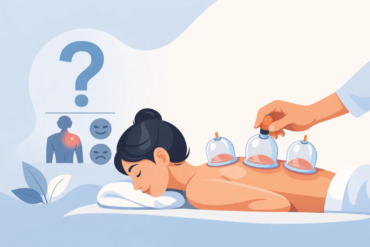
A cup is placed on your back, shoulder or leg, and the skin gently rises inside it. For many first-time clients, that moment brings the same question: does cupping therapy hurt? Usually, cupping should feel unusual rather than painful. Most people describe a firm pulling, stretching or pressure sensation that eases as the body settles.
Cupping is a traditional body therapy often used alongside remedial massage, deep tissue work and other hands-on treatments. At Herbal Ayurveda and Yoga Clinic, it is approached as an individualised treatment, not a one-size-fits-all experience. The amount of suction, the area being treated and your current level of sensitivity all matter.
Does Cupping Therapy Hurt During Treatment?
Dry cupping uses a cup to create suction on the skin. Depending on the method used, this may be done with a hand pump or gentle heat. The suction draws superficial tissue upwards, which can create a strong feeling of pressure. It is different from the downward pressure of a massage, and that difference can take a little getting used to.
For some people, the sensation is relieving, particularly over tight shoulders, the upper back or muscles that feel stiff from long hours at a desk. Others find it intense at first, especially where there is significant muscular tension or tenderness. Intensity is not a sign that the treatment is working better. A skilled practitioner can reduce the suction, shorten the time a cup remains in place, or choose another technique if it does not feel comfortable.
Cupping should not involve sharp, burning or pinching pain. You should also not feel that you have to tolerate discomfort to get a result. Let your practitioner know straight away if the sensation feels too strong. Clear communication helps make the session both safer and more useful.
Stationary and moving cups can feel different
With stationary cupping, cups remain in one position for a short period. This commonly produces a steady, contained pulling sensation. Moving cupping involves gliding a cup over oiled skin and may feel closer to a firm massage, with added traction across the tissue.
Moving cups can feel more stimulating over areas of tightness, while stationary cups may create a deeper sense of local pressure. Neither approach needs to be painful. The most appropriate method depends on your goals, body type, skin sensitivity and how you respond during the appointment.
Why Do Cupping Marks Appear?
The round marks that can appear after cupping are often the part clients worry about most. They are not usually bruises caused by blunt injury. Suction encourages blood flow to the surface tissues and can leave temporary red, purple or darker circular areas. Their appearance varies widely according to the suction level, the length of application, skin tone, circulation and individual tendency to mark.
A mark does not reliably measure the success of treatment. Darker is not better, and it is not necessary to leave prominent marks for cupping to be beneficial. A careful practitioner will work with an appropriate level of suction rather than pursuing a particular appearance.
Marks are generally not painful to touch, though the area may feel mildly tender or warm afterwards, much like it can after a deeper massage. They commonly fade over several days and may take up to two weeks to fully clear. If you have an event, beach day or professional photos coming up, mention this before treatment so the cup placement and intensity can be considered.
What Affects How Cupping Feels?
Your experience of cupping can change from one appointment to the next. The body is not equally sensitive every day. Poor sleep, stress, dehydration, recent strenuous exercise and existing muscle soreness can all affect how strongly you feel treatment.
The location matters too. Fleshier areas such as the upper back may tolerate suction differently from bony or naturally sensitive areas. A person with tight trapezius muscles from computer work may find cups on the shoulders initially intense but relieving afterwards. Someone with a low pain threshold, sensitive skin or anxiety around new treatments may prefer a gentler beginning.
Your practitioner should take these factors into account before and during the session. This is particularly valuable when cupping is combined with remedial massage, trigger point therapy or myofascial release. The aim is to support comfort and movement, not to overwhelm the nervous system with too much treatment at once.
What Might You Feel Afterwards?
Many clients feel looser, warmer or deeply relaxed after cupping. Some notice a temporary heaviness in the treated muscles, mild tenderness or fatigue for the rest of the day. This is generally short-lived. Drinking water, having a nourishing meal and allowing time for gentle movement or rest can be sensible aftercare choices.
Avoid treating post-session soreness as something to push through with very intense exercise. Give your body a chance to respond, particularly after your first appointment. If you are unsure whether a sensation is expected, contact your practitioner for guidance.
Seek medical advice promptly for severe pain, increasing swelling, blistering, signs of skin infection, dizziness that does not settle, or any reaction that concerns you. These responses are not typical and deserve appropriate assessment.
When Cupping May Not Be Suitable
Cupping is not appropriate for every person or every area of the body. It should not be applied over broken, sunburnt, inflamed or infected skin. Extra caution is needed if you bruise easily, take blood-thinning medication, have a bleeding disorder, have reduced skin sensation, or have certain circulatory or skin conditions.
Pregnancy, recent surgery, active illness and a history of blood clots also warrant an individual conversation before treatment. Do not assume a therapy is suitable simply because it is natural or traditional. A qualified practitioner should ask about your health history, current symptoms and medications, then explain whether cupping is appropriate or whether a gentler alternative may better suit your needs.
Cupping should complement, not replace, medical assessment for unexplained or persistent pain. New weakness, numbness, chest pain, severe headaches, fever or pain after an injury need timely medical care.
How to Make Your First Session More Comfortable
Arrive with a clear idea of what you would like help with, whether that is neck tension, postural tightness, recovery after activity or a general sense of muscular stiffness. Wear clothing that allows access to the treatment area, and avoid arriving extremely hungry or dehydrated.
Most importantly, speak openly. Tell your practitioner if you have never had cupping before, if you are concerned about marks, or if you prefer a very gentle approach. You can ask for the suction to be reduced at any time. Treatment works best when it is collaborative, paced and responsive to your feedback.
A good cupping session leaves you feeling cared for, not tested. Starting gently gives you the space to notice how your body responds and to build confidence in what feels right for you.
Leave a Reply