Category: Uncategorized

  • Trigger Point Therapy Benefits for Tired Muscles

    Trigger Point Therapy Benefits for Tired Muscles

    A tight spot in the shoulder that seems to send discomfort up the neck, or a tender point in the hip that makes walking feel restricted, can be more than ordinary muscle fatigue. Trigger point therapy benefits people by addressing sensitive areas within muscle tissue that may be contributing to local pain, referred discomfort and limited movement. It is a focused, hands-on approach often included within remedial massage when the body needs more than general relaxation.

    A trigger point is commonly described as a tender, irritable spot in a taut band of muscle. Pressing it may reproduce a familiar ache, create a twitch response, or refer sensation to another area. For example, tension around the upper back and shoulders may be felt as discomfort through the neck or head. The exact experience differs from person to person, which is why careful assessment matters.

    What happens during trigger point therapy?

    A qualified practitioner first considers the pattern behind the discomfort: where it is felt, how long it has been present, what movements aggravate it and whether work posture, training, stress or previous injury may be involved. They then use sustained, measured pressure on selected points, often alongside massage techniques, stretching and movement guidance.

    The pressure should be purposeful rather than forceful. Some tenderness can be expected when a sensitive point is treated, but treatment should remain within a manageable range. Clear communication is essential. A practitioner can adjust the depth, duration and technique according to your comfort, health history and response on the day.

    Trigger point therapy is not simply about pressing on every sore area. Muscles work in connected patterns, so the point that feels painful may not be the only area requiring attention. A tight chest, for instance, may influence shoulder position, while overworked gluteal muscles may affect how the lower back and legs manage movement.

    Trigger point therapy benefits for everyday movement

    The main aim is often to reduce muscular sensitivity and help the affected area move more comfortably. Results vary according to the cause and duration of symptoms, but many people seek treatment for several practical reasons.

    Relief from muscular tenderness and tension

    Prolonged desk work, repetitive tasks, physically demanding work and emotional stress can all contribute to muscles remaining guarded. Trigger point work may help ease the feeling of a persistent knot or localised tightness, particularly through common areas such as the shoulders, upper back, hips, calves and forearms.

    This does not mean all tightness needs deep pressure. Sometimes a muscle is sensitive because it is overworked, fatigued or compensating for another restriction. In these cases, a thoughtful treatment plan may use gentler massage, myofascial release or mobility work rather than intensive pressure alone.

    Improved comfort with movement

    When a tender point makes it uncomfortable to turn the head, reach overhead, bend, squat or walk, people often alter their movement without realising it. These protective patterns can place extra load on other areas. By addressing selected muscular restrictions, trigger point therapy may support easier movement and help restore confidence in everyday activities.

    The benefit is most meaningful when treatment is paired with appropriate movement. A short, realistic stretching or strengthening routine may help the body use its improved range rather than returning immediately to the same pattern. The right exercises depend on the individual, their work demands and their current capacity.

    Support for recovery after repetitive load

    Exercise, gardening, long drives, manual work and sustained sitting can all leave muscles feeling heavy or reactive. Trigger point therapy may be useful as part of a recovery plan for people experiencing recurring muscular tension after these activities.

    It is not a substitute for adequate sleep, nourishment, hydration, gradual training and rest. If a workload or exercise program continues to exceed recovery capacity, the same areas may repeatedly become sore. Treatment can provide support, while lifestyle adjustments address the factors that keep the pattern going.

    A calmer response to physical stress

    Muscle tension and stress often reinforce one another. When the body is braced for long periods, the jaw, neck, shoulders, chest and lower back may become particularly reactive. The focused nature of hands-on therapy, combined with slower breathing and a calm treatment setting, can help some people notice where they habitually hold tension.

    This is not a claim that massage resolves every cause of stress or pain. Rather, it can offer a practical pause: an opportunity to settle the nervous system, improve body awareness and make more supportive choices between appointments.

    Why personalised care makes a difference

    Two people may both report shoulder pain, yet need very different care. One may be dealing with laptop posture and shallow breathing during a demanding work period. Another may have increased gym training, poor sleep and an old injury that changes how they lift. Treating both people in exactly the same way would overlook the context that shapes their symptoms.

    At Herbal Ayurveda and Yoga Clinic, trigger point therapy can be considered within a personalised remedial massage approach. The treatment may be combined with deep tissue massage, cupping therapy, lymphatic drainage, myofascial release or a gentler relaxation-focused session where appropriate. Ayurvedic lifestyle guidance may also be relevant for clients seeking broader support around routines, rest and balance.

    A whole-person approach does not mean every service is needed at once. It means the treatment is selected with care. Some clients benefit from focused work on one or two areas; others need a slower session that addresses general stress and muscular guarding. The appropriate option depends on your goals, presentation and health history.

    What you may feel after a session

    Many people feel lighter, looser or more comfortable moving after treatment. Others experience mild tenderness for a day or two, particularly after work on long-standing sensitive points or after a first remedial massage session. This response is usually temporary, but it is sensible to allow for a quieter evening, drink water as you normally would and avoid suddenly demanding activity if the area feels tender.

    Gentle walking and comfortable mobility can be useful after treatment. There is no need to force intense stretching or repeatedly press the treated point at home. More pressure is not always better. If soreness is significant, persists or is accompanied by unusual symptoms, seek appropriate medical advice.

    When trigger point therapy may not be suitable

    Hands-on therapy should be adapted or postponed in some circumstances. Acute injury, unexplained swelling, infection, fever, blood-clotting concerns, significant bruising, certain skin conditions and recent surgery all require caution. Pregnancy, osteoporosis, cancer treatment, diabetes-related nerve changes and use of blood-thinning medication are also important to discuss before treatment.

    Persistent pain, numbness, weakness, unexplained weight loss, severe headache, chest pain or pain following significant trauma should be assessed by a medical professional rather than managed solely with massage. A responsible practitioner will ask about relevant health conditions, work within their scope and refer when needed.

    Getting more from treatment

    Trigger point therapy tends to work best as part of a considered plan, not as a one-off attempt to overpower pain. Be specific about what you feel, where symptoms travel, what brings relief and what makes matters worse. Mention previous injuries, medications and changes in training or work demands.

    Between sessions, small changes are often more sustainable than a complete routine overhaul. This may mean taking regular movement breaks from the desk, varying a repetitive task, adjusting a pillow or workstation, building strength gradually, or setting aside a few minutes for breathing and gentle mobility. Your practitioner can help identify what is realistic for your body and daily life.

    When muscular tension has been building for months or years, it may take more than one appointment to create lasting change. Progress is not always a straight line, but attentive treatment and steady self-care can help the body move towards greater ease, one manageable adjustment at a time.
  • How to Reduce Stress Naturally With Daily Habits

    How to Reduce Stress Naturally With Daily Habits

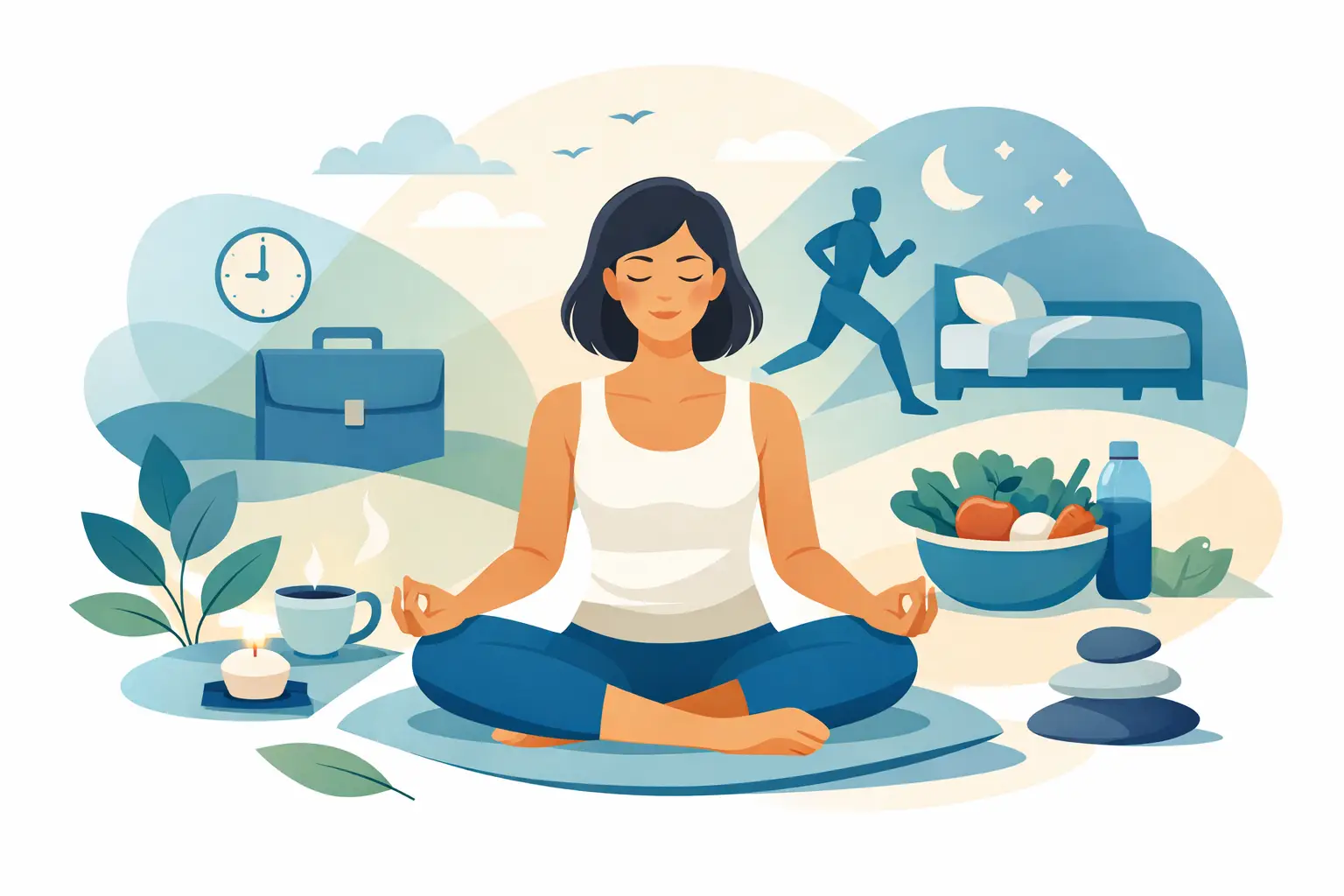
    Stress is not always a sign that something is wrong with you. Often, it is the body’s understandable response to sustained demands: a full inbox, broken sleep, caring responsibilities, financial pressure, pain, or simply too little time to recover. Learning how to reduce stress naturally begins by noticing those demands and building small, repeatable ways to help your nervous system settle.

    There is no single practice that suits every person. A brisk walk may feel restorative for one person and overwhelming for another who is already depleted. In Ayurveda, this individuality matters. Stress support is most useful when it considers your energy, digestion, sleep, daily rhythm, physical tension and the pressures you are carrying.

    Start by creating a calmer daily rhythm

    The nervous system responds well to regularity. This does not mean following a rigid wellness routine or getting every habit right. It means giving your body a few reliable signals that it is safe to slow down.

    Try to wake, eat and go to bed at broadly similar times most days. A regular evening meal, reduced screen use before bed and a quieter transition into sleep can be more effective than making large changes for a few days and then abandoning them. If your evenings are busy, begin with one simple anchor, such as putting your mobile away while you eat or taking ten quiet minutes before bed.

    Morning light can also help regulate your body clock. Spend a few minutes outdoors early in the day where possible, whether that is on the veranda, during a short walk or while having a cup of tea. This supports a clearer distinction between daytime activity and nighttime rest.

    Use the breath to interrupt the stress response

    When stress rises, breathing often becomes faster and shallower. You cannot always remove the source of stress immediately, but you can create a pause in your physical response to it.

    Sit comfortably with both feet on the floor. Breathe in gently through the nose, then allow the exhale to be a little longer than the inhale. There is no need to force a deep breath. Continue for two to five minutes, keeping the jaw, shoulders and belly as soft as possible.

    This is particularly helpful before a difficult conversation, after commuting, or when you notice yourself rushing between tasks. The goal is not to empty your mind. It is to give the body a chance to move out of constant alertness.

    If slow breathing makes you feel dizzy, uncomfortable or more anxious, return to your usual breathing and choose another grounding practice. Looking around the room, placing your feet firmly on the floor, or taking a gentle walk may be a better fit.

    Choose movement that restores rather than depletes

    Exercise can ease stress, improve sleep and release built-up physical tension. Yet the most helpful movement depends on your current capacity. If you are exhausted, forcing yourself through intense training may leave you more wired, sore or fatigued.

    Gentle yoga, walking, stretching, swimming or light strength work can all be useful. The most sustainable choice is often the one you can return to regularly. Even ten minutes of mindful movement can shift the feeling of being stuck in your head and reconnect you with your body.

    Yoga is especially valuable when approached as more than a workout. Slow postures, calm breathing and a brief period of rest can support flexibility while helping you notice where tension is being held. Many people carry stress through the neck, jaw, shoulders, lower back and hips without realising how much effort those areas are holding.

    Eat in a way that supports steadier energy

    Stress and food habits often affect one another. When life is demanding, it is easy to skip meals, rely on caffeine or eat quickly at a desk. This can lead to energy crashes, digestive discomfort and greater irritability later in the day.

    Aim for regular, satisfying meals that include protein, fibre-rich carbohydrates, vegetables or fruit, and nourishing fats. Warm, simply prepared meals can feel particularly settling when digestion is sensitive. Rather than trying to follow a perfect diet, pay attention to patterns: Do you feel shaky after too much coffee? Does a long gap between meals make you impatient or anxious? Does eating late affect your sleep?

    Caffeine deserves an honest look. For some people, one morning coffee is fine. For others, several coffees or energy drinks can intensify a racing heart, restlessness and poor sleep. Reducing caffeine gradually and avoiding it later in the day is often more manageable than stopping suddenly.

    Make room for mental recovery

    Many people rest physically while remaining mentally on call. They scroll, answer messages, plan tomorrow’s tasks and absorb more information late into the evening. A short period without demands can make a meaningful difference.

    Create a small daily boundary around work and worries. Write down the tasks that need attention tomorrow, then allow yourself to leave them there for the night. If thoughts continue to circle, a simple practice of meditation or quiet observation can help. Notice the thought, name it as planning or worrying, and return attention to the breath, sounds around you or the sensation of sitting.

    You do not need to meditate for half an hour to benefit. Five consistent minutes is a strong beginning. Some people prefer guided meditation, while others find repetitive activities such as gardening, knitting, cooking or walking more calming. The right practice is the one that leaves you feeling more present, not pressured to perform relaxation correctly.

    Address the physical side of stress

    Stress commonly has a physical expression. Headaches, clenched teeth, a tight chest, tense shoulders, fatigue and disturbed sleep can all be part of the picture. While massage cannot remove every cause of stress, hands-on therapy may help ease muscular tension and create space for deeper rest.

    The appropriate treatment depends on what your body needs. Remedial massage, deep tissue massage, trigger point therapy and myofascial release may suit persistent muscular tightness when provided thoughtfully. Relaxation massage may be preferable when the main need is to settle and rest. Lymphatic drainage and cupping therapy may be considered in particular circumstances, following an individual assessment.

    In Ayurvedic practice, traditional therapies are paired with lifestyle guidance rather than treated as an isolated indulgence. Shirodhara, which involves a steady flow of warm oil over the forehead, is used by some people as a deeply calming treatment. Its suitability should be discussed with a qualified practitioner, especially if you have a health condition, skin concern or are pregnant.

    Personalise your stress support with Ayurveda

    Ayurveda views wellbeing through balance across body, mind, environment and routine. An Ayurvedic consultation may explore your sleep, appetite, digestion, mood, energy, workload and habits before recommending appropriate lifestyle changes, yoga, meditation, body therapies or herbal support.

    Herbal remedies are not automatically suitable simply because they are natural. They can interact with medicines and may not be appropriate during pregnancy, breastfeeding or with certain health conditions. Personalised guidance is particularly valuable if stress is affecting several areas of your health or you have already tried general advice without lasting change.

    At Herbal Ayurveda and Yoga Clinic in Adelaide, care is guided by a qualified Ayurvedic practitioner and tailored to the person rather than a standard stress-relief package. This approach can be useful when you want support that considers both physical tension and the daily habits that may be keeping your system overstimulated.

    Know when to seek further help

    Natural strategies can be a meaningful part of stress care, but they are not a substitute for medical or psychological support when symptoms are severe or persistent. Speak with your GP or a qualified mental health professional if anxiety, low mood, panic, insomnia, pain or exhaustion is affecting your ability to function, work or maintain relationships.

    Seek urgent help if you are having thoughts of harming yourself or feel unable to stay safe. Reaching out is a practical act of care, not a failure of resilience.

    Start with the smallest change that feels realistic this week. A calmer cup of tea, a ten-minute walk, an earlier bedtime or a few slower breaths may seem modest, but repeated gently, these practices help create the conditions in which the body can recover.

  • Best Therapies for Tension Headaches That Last

    Best Therapies for Tension Headaches That Last

    A tension headache can begin quietly: a tight jaw after a demanding day, shoulders held high during hours at a desk, or a dull band of pressure that builds by late afternoon. The best therapies for tension headaches do more than chase that immediate discomfort. They look at the muscle tension, stress load, movement habits, sleep and daily routines that may be keeping the pattern going.

    For many people, a combined approach is more useful than relying on one treatment alone. Hands-on body therapy may help settle tight tissues, while gentle movement, breathing practices and practical lifestyle changes can help reduce the triggers that repeatedly bring the headache back.

    Why tension headaches need a broader approach

    Tension-type headaches are commonly felt as a steady, pressing or tightening sensation on both sides of the head. They may be accompanied by tenderness through the neck, temples, jaw, upper back or shoulders. Unlike migraine, they do not usually involve severe throbbing pain, nausea or strong sensitivity to light, although headache symptoms can overlap and every person’s experience is different.

    Long periods of screen work, poor workstation set-up, emotional stress, inadequate sleep, dehydration, teeth grinding and reduced movement can all contribute. Sometimes the issue is less about one obvious cause and more about accumulated strain. A tailored plan considers how these factors interact rather than assuming every headache needs the same remedy.

    First, know when to seek medical care

    Recurring headaches deserve proper attention, particularly if they are new, changing or affecting daily life. A GP can help identify the type of headache and rule out causes that need medical treatment. This is especially important before assuming that all head pain is caused by muscle tension.

    Seek urgent medical assessment for a sudden and severe headache, a headache after a head injury, or head pain with fever, fainting, confusion, weakness, numbness, speech changes, visual disturbance, a stiff neck or persistent vomiting. People who are pregnant, over 50 with a new headache pattern, or living with significant health conditions should also discuss recurring headaches with their doctor.

    Using pain medicines frequently can itself contribute to medication-overuse headaches. If you are reaching for pain relief several days each week, speak with your GP or pharmacist about a safer plan.

    Best therapies for tension headaches: hands-on care

    Remedial massage and deep tissue massage

    When tension is concentrated through the neck, shoulders and upper back, remedial massage can be a practical part of care. It aims to assess and work with areas of muscular tightness, restricted movement and postural strain that may be contributing to head pain. Treatment can be adapted to the person, whether the main concern is long hours at a computer, physically demanding work or stress held through the shoulders.

    Deep tissue massage may be suitable where deeper muscular tension is present, but stronger is not always better. If the nervous system is already highly stressed or the area is very sensitive, overly intense pressure can leave a person sore and unsettled. A skilled treatment should be responsive, with pressure adjusted to support relief rather than simply pushing through discomfort.

    Trigger point therapy and myofascial release

    Trigger points are tender, tight areas in muscle that can refer discomfort elsewhere. For example, tension in the upper trapezius, neck muscles or jaw can sometimes be felt as pain around the temples or behind the eyes. Trigger point therapy uses focused, measured pressure to address these areas, while myofascial release works more gradually with the connective tissues surrounding muscles.

    These therapies can be helpful when a headache is linked with a clear pattern of neck and shoulder tension. They are often most effective when followed by simple movement and workstation changes, so the same tissues are not repeatedly overloaded the next day.

    Relaxation massage and Shirodhara

    Not every tension headache is best met with a corrective or deep treatment. When stress, poor sleep and a sense of constant mental activity are central to the picture, relaxation massage may help create a calmer physical state. Slower, soothing treatment can support rest and body awareness, particularly for people who notice they are continually bracing or clenching.

    In Ayurvedic practice, Shirodhara is a traditional therapy involving a gentle, steady flow of warm oil over the forehead. It is often chosen as part of a broader wellbeing plan for people seeking deep relaxation and support for an overactive stress response. While it should not replace medical assessment or be presented as a cure for headaches, it may be a valuable restorative therapy for the right person.

    Yoga, breathing and regular movement

    A short, consistent practice is usually more useful than an ambitious routine done once a month. Yoga for tension headaches does not need to be strenuous. Gentle neck mobility, shoulder rolls, chest-opening postures, supported forward folds and mindful upper-back movement can help counter the fixed positions of desk work.

    Breathing practices are equally relevant. Shallow, hurried breathing often accompanies stress and can reinforce the feeling of being switched on all day. Taking five minutes to breathe slowly, allowing the exhale to become slightly longer than the inhale, can help settle the body. The aim is not to force relaxation but to give the nervous system regular opportunities to downshift.

    If neck movement brings on dizziness, sharp pain, tingling or worsening symptoms, stop and seek clinical advice. Yoga should be adapted to your capacity, injuries and medical history.

    Ayurvedic care that is tailored to the person

    Ayurveda views wellbeing through the relationship between the body, mind, environment, routine and individual constitution. For tension headaches, an Ayurvedic consultation may explore sleep quality, digestion, stress patterns, work demands, food and drink habits, daily rhythm and the particular ways tension shows up in the body.

    Recommendations may include appropriate dietary and lifestyle support, meditation, yoga, body therapies or herbal options where suitable. Herbal products are not automatically safe for everyone. They should be considered carefully, particularly if you take prescription medication, are pregnant or breastfeeding, have a health condition, or are preparing for surgery. A qualified practitioner can help ensure recommendations fit the person rather than following a generic wellness trend.

    At Herbal Ayurveda and Yoga Clinic, care is guided by qualified Ayurvedic practitioner Mandeep Singh, who holds a Bachelor of Ayurvedic Medicine and Surgery and is a professional AAA member. This practitioner-led approach allows treatments and lifestyle guidance to be selected with the individual’s history, goals and comfort in mind.

    Make daily changes that reduce the build-up

    Therapy is often more effective when daily habits support it. Begin with the moments when tension tends to accumulate. If headaches commonly arrive after computer work, check that the screen is at a comfortable height, take brief movement breaks and avoid cradling the mobile between shoulder and ear. If jaw clenching is a factor, notice it at predictable times such as driving, concentrating or lying in bed, then gently let the teeth separate and the tongue rest.

    Regular meals, adequate water, moderate caffeine intake and a consistent sleep routine can also make a difference. None of these changes needs to be perfect. A sustainable adjustment, repeated most days, is more likely to help than a strict routine that creates another source of pressure.

    It can be useful to keep a simple headache record for a few weeks. Note when pain begins, where it is felt, what was happening beforehand, sleep quality, stress levels and what provided relief. This information can reveal patterns and gives your GP or therapist a clearer starting point for personalised care.

    Choosing the right treatment plan

    The most appropriate therapy depends on the pattern of your headaches. Someone with tight shoulders from manual work may benefit from remedial massage, trigger point therapy and mobility work. Someone whose headaches appear during periods of poor sleep and sustained worry may need a gentler combination of relaxation massage, breathing practice, meditation and support for a steadier daily routine.

    A thoughtful plan also changes over time. As acute tension settles, the focus can shift from frequent treatment to maintaining movement, managing stress earlier and recognising warning signs before a headache becomes established. The goal is not only a quieter head today, but a better understanding of what your body is asking for and a calm, realistic way to respond.

  • How Meditation Reduces Workplace Stress

    How Meditation Reduces Workplace Stress

    A full inbox, back-to-back meetings and the feeling that every task needs an immediate answer can keep the body in a state of alert long after the workday ends. Understanding how meditation reduces workplace stress can help create a practical pause in that cycle – one that supports clearer thinking, steadier energy and a more settled response to pressure.

    Meditation is not about emptying the mind or becoming indifferent to work. It is a simple practice of bringing attention back to the present, often through the breath, physical sensations or a quiet point of focus. For busy professionals, its value lies in creating space between a stressful trigger and the automatic reaction that follows.

    How meditation reduces workplace stress in the body

    Workplace stress is not only a mental experience. When deadlines, conflict, constant notifications or heavy workloads feel unrelenting, the nervous system can remain switched on. You may notice shallow breathing, tight shoulders, a clenched jaw, digestive discomfort, poor sleep or a mind that continues rehearsing work conversations at home.

    A regular meditation practice encourages the body to shift towards a calmer state. Slow, deliberate breathing can reduce the sense of urgency created by stress, while still attention helps interrupt the habit of constantly scanning for the next problem. The goal is not to remove every demanding situation. It is to help the body recover more readily after the situation has passed.

    From an Ayurvedic perspective, ongoing stress can disturb the body’s natural balance and aggravate Vata qualities such as restlessness, irregularity and racing thoughts. A simple, consistent meditation practice can be grounding, particularly when it is paired with regular meals, adequate rest, gentle movement and a daily routine that feels manageable.

    It changes the pause between pressure and response

    A difficult email, a tense discussion or an unexpected change of plan can trigger an immediate reaction. Without awareness, that reaction may be frustration, worry, avoidance or the urge to work faster despite feeling overwhelmed. Meditation develops the ability to notice what is happening before acting on it.

    This pause may be only a few seconds, but it can be meaningful. Instead of replying while irritated, you might take three slower breaths and return to the message later. Instead of carrying a meeting’s tension into the next task, you may recognise the tightness in your chest, soften your shoulders and reset your attention.

    Over time, this practice can improve emotional regulation. It does not mean difficult feelings disappear, nor should they be ignored. Rather, meditation creates a calmer way to meet those feelings, making it easier to respond with perspective rather than react from exhaustion.

    A steadier mind can support better focus

    Stress often fragments attention. A person may be physically at their desk but mentally jumping between unfinished tasks, future concerns and past mistakes. This can make straightforward work feel harder and increase the temptation to multitask.

    Meditation trains attention by gently returning the mind to one chosen anchor whenever it wanders. The breath is a common anchor because it is always available. Each return is part of the practice, not a failure.

    That same skill can carry into the workday. It may become easier to focus on one task for a defined period, listen more fully during a conversation or notice when scrolling and notifications are pulling attention away. Better concentration cannot solve an unrealistic workload, but it can reduce some of the mental friction that makes work feel more draining.

    The most useful practice is one you will repeat

    Long sessions are not essential for workplace stress relief. For many people, a five-minute practice done regularly is more sustainable than an ambitious routine that lasts a few days. Consistency gives the nervous system repeated opportunities to settle.

    A brief morning practice can help set a calmer pace before work begins. A midday pause may be useful after demanding calls or before lunch. An evening practice can create a boundary between work and home, especially for people who continue checking messages after hours.

    The right approach depends on the person and the nature of their work. Someone in a customer-facing role may benefit from short breathing pauses between appointments. A person who works from home may need a more deliberate ritual to mark the end of the day. For others, sitting still may initially feel uncomfortable, and guided meditation, gentle yoga or a mindful walk may be a more accessible starting point.

    A simple five-minute workplace meditation

    Find a quiet place if possible. This may be your car before entering the office, a meeting room, a park bench or simply your chair with your mobile set aside. Sit comfortably, with both feet supported and your shoulders relaxed.

    Allow your gaze to soften or close your eyes. Notice the natural rhythm of your breathing without trying to force it. Then slowly lengthen the exhale, breathing in comfortably and breathing out a little more slowly.

    When thoughts about tasks, people or deadlines arise, acknowledge them without judgement. Silently name them as thinking, planning or worrying, then return to the sensation of breathing. Continue for five minutes before taking a moment to notice how your body feels.

    This is not a test of concentration. A busy mind is common, particularly when stress has been building. The benefit comes from returning, again and again, to the present moment with patience.

    Meditation works best alongside practical change

    Meditation can be a valuable support, but it should not be used to normalise harmful workplace conditions. If workload expectations are unreasonable, bullying is present, breaks are routinely missed or stress is affecting sleep and health, practical support and appropriate workplace conversations matter.

    It also helps to consider the wider pattern. Caffeine late in the day, irregular meals, little movement, poor boundaries around work messages and insufficient sleep can all make the body more reactive to stress. A personalised approach considers these habits together rather than treating meditation as a standalone solution.

    For some people, stress is closely held in the body. Persistent neck tension, headaches, lower back discomfort and fatigue can make it difficult to sit quietly and settle. Supportive therapies such as remedial massage, relaxation massage or yoga-based wellbeing practices may complement meditation by helping the body release physical tension. The most suitable approach depends on your health history, lifestyle and current needs.

    When to seek additional support

    Meditation is generally gentle and adaptable, but it is not a replacement for medical or psychological care. If anxiety, low mood, panic, trauma symptoms, ongoing insomnia or burnout are affecting daily life, speak with a qualified health professional. A meditation practice can still be supportive, but it may need to be introduced carefully and alongside appropriate care.

    For people seeking individual guidance in Adelaide, Herbal Ayurveda and Yoga Clinic offers practitioner-led Ayurvedic lifestyle support that considers stress in the context of the whole person. A tailored plan may include meditation, daily routine guidance, yoga-based practices or body therapies according to individual circumstances.

    Work will always have demanding periods. The aim is not to become unaffected by pressure, but to build a reliable way of returning to yourself within it. A few quiet minutes of practice, repeated with care, can become a small but meaningful part of a healthier working life.

  • How to Relieve Muscle Knots Safely and Gently

    How to Relieve Muscle Knots Safely and Gently

    A tight spot between the shoulder blades after a long day at a desk, or a tender patch in the calf after exercise, can make even simple movement feel uncomfortable. Knowing how to relieve muscle knots starts with a measured approach: reduce irritation, restore comfortable movement, and look beyond the sore spot to what may be repeatedly overloading it.

    Muscle knots are a common description for localised areas of muscle tightness and tenderness. They may feel like a small band, bump or sensitive point in the muscle, and can sometimes send discomfort into a nearby area when pressed. While they are often linked with posture, repetitive work, stress, training load or an awkward sleeping position, persistent pain deserves individual assessment rather than repeated forceful treatment.

    What causes muscle knots to develop?

    Muscles do not usually become tight for one single reason. A neck or upper-back knot may appear after hours looking down at a laptop, but poor sleep, shallow breathing during stressful periods, reduced movement and an unsuitable workstation can all contribute. A knot in the glutes or calves may follow a sudden increase in walking, running, gardening or gym training, especially when recovery has been limited.

    The body can also hold protective tension after an old injury or during a period of ongoing stress. This does not mean the muscle is permanently damaged. It does mean that simply pressing hard on the tender point may not be enough. Lasting relief is more likely when treatment considers daily habits, movement patterns, hydration, rest and the way the whole body is coping.

    How to relieve muscle knots at home

    For a mild, familiar knot without swelling, injury or severe pain, begin gently. The goal is to calm the area, not to force it to release in one session.

    Use warmth before movement

    A warm shower, heat pack or warm towel for around 10 to 15 minutes can make a guarded muscle feel more comfortable. Keep the heat pleasantly warm rather than hot, and protect the skin with a layer of fabric. Heat is often helpful for long-standing stiffness, while a recent strain with swelling may need a different approach.

    After warming the area, move it slowly through a comfortable range. For an upper-back knot, this might mean shoulder rolls, gentle neck turns and reaching the arms forward and overhead. For a tight calf, try ankle circles and an easy walk around the house. Avoid stretching sharply into pain. A mild pulling sensation is usually enough.

    Try slow, controlled self-massage

    Use your fingers, a massage ball against a wall, or a foam roller to apply light to moderate pressure around the tender area. Breathe steadily and stay on a point for 20 to 30 seconds, then ease off. You can repeat this a few times, but bruising, numbness or a sharp pain are signs to stop.

    More pressure is not always more effective. A very painful knot may cause the body to tense further when it is aggressively pressed. Gentle pressure combined with slow breathing and movement is often better tolerated, particularly around the neck, shoulders and hips.

    Break up long periods of stillness

    Many muscle knots are maintained by staying in one position for too long. A short movement break every 30 to 60 minutes can be more useful than one long stretch at the end of the day. Stand, walk, change your sitting position, roll your shoulders or perform a few calm breaths that allow the ribs and abdomen to move.

    If your work requires a desk, driving or standing for extended periods, small adjustments matter. Position your screen closer to eye level, support your lower back if needed, avoid gripping the steering wheel unnecessarily, and alternate your stance when standing. The right setup depends on your body and work demands, so comfort and regular movement are better guides than trying to hold one rigid posture all day.

    Support recovery outside the sore area

    A muscle that is regularly overworked needs recovery as well as local care. Aim for adequate sleep, regular meals, fluid intake suited to your activity and a gradual return to exercise. If a knot began after a hard training session, reduce the intensity temporarily rather than pushing through the same load.

    Gentle yoga can also be valuable when it is adapted to the individual. A calm sequence that encourages mobility, breathing and body awareness may help reduce general tension without aggravating a sensitive area. The best approach is not necessarily the deepest stretch. It is the one you can perform consistently and comfortably.

    When massage therapy may help

    Professional massage can be useful when a knot keeps returning, limits movement or is difficult to reach safely yourself. A trained practitioner can assess the surrounding muscles and tailor pressure to your tolerance instead of treating every tight area in the same way.

    Remedial massage may suit people whose discomfort is linked with muscular tension, repetitive work or activity. Deep tissue massage can be appropriate for some long-standing patterns, but it should not automatically mean intense or painful pressure. Trigger point therapy may address particularly tender points, while myofascial release uses sustained, gentler techniques to work with areas of restriction. Relaxation massage can be a considered choice when stress and overall nervous system tension are major contributors.

    The right treatment depends on the location of the knot, your health history, current activity and how your body responds. At Herbal Ayurveda and Yoga Clinic in Adelaide, treatment can be considered within a personalised plan that may include remedial massage, movement guidance and Ayurvedic lifestyle support where appropriate.

    Avoid these common mistakes

    Trying to “smash out” a knot with prolonged, heavy pressure can leave the area more tender and guarded. It is also unhelpful to stretch a muscle forcefully when it has been recently strained, or to keep training hard through pain that changes your movement.

    Do not use massage tools directly over a bruise, open skin, varicose veins, a suspected fracture or an area that is hot and swollen. Take care with strong massage if you are pregnant, take blood-thinning medication, have reduced sensation, osteoporosis, cancer, a bleeding disorder or a significant medical condition. In these situations, seek advice from an appropriate health professional before treatment.

    When a muscle knot needs medical assessment

    Most everyday muscle tightness improves with sensible care over days or weeks. However, some symptoms should not be treated as a routine knot. Seek urgent medical attention for chest pain, shortness of breath, sudden weakness, facial drooping, severe headache, or pain and swelling in one calf, particularly after travel or a period of immobility.

    Arrange assessment promptly if pain follows a significant injury, is severe at night, comes with fever, unexplained weight loss, numbness, tingling, loss of strength or changes to bladder or bowel control. It is also wise to seek help when a tender area does not improve, repeatedly returns without a clear reason, or stops you from working, sleeping or exercising normally.

    A muscle knot is often the body’s request for a little more attention, not a challenge to overcome with force. Give it warmth, gradual movement, appropriate rest and care that suits your wider health picture. When the pattern is persistent, individualised treatment can help you understand not only where tension is felt, but what may be keeping it there.

  • Best Therapies for Muscle Tension That Last

    Best Therapies for Muscle Tension That Last

    Muscle tension often begins as a small signal: shoulders creeping towards the ears while you work, a jaw that will not quite relax, or a low back that feels guarded after a long drive. The best therapies for muscle tension do more than provide a brief release. They consider why the body is holding tension, how your daily habits may be contributing, and what will help you move and rest more comfortably over time.

    Tension can arise after physical strain, repetitive work, poor sleep, stress, reduced movement, an old injury or a combination of these factors. There is no single treatment that suits every person. The most helpful approach is usually one that matches the location and nature of your discomfort, your health history and your goals.

    Understanding persistent muscle tension

    A tense muscle is not always a weak or damaged muscle. Often, it is a protective response. Your nervous system may keep an area switched on because it perceives load, stress or uncertainty. This is why a very firm treatment can feel helpful for one person yet leave another sore, fatigued or more guarded.

    It is also why lasting relief is rarely achieved through passive treatment alone. Massage and hands-on therapies can reduce discomfort and improve ease of movement, while gentle strengthening, mobility work, sleep support and stress management help create the conditions for the body to stay more settled.

    Before choosing a therapy, notice the pattern. Is the tension localised to one spot? Does it build after sitting, exercise or stressful days? Is it a dull ache, a sharp pain, or a feeling of stiffness? These details guide a more appropriate treatment plan.

    Best therapies for muscle tension: matching care to the cause

    Remedial massage for assessed muscular discomfort

    Remedial massage is a practical option when muscle tension is linked with posture, repetitive activities, training load or a specific area of discomfort. A practitioner assesses the tissues involved and uses techniques intended to reduce tightness, improve circulation and support movement.

    Treatment may involve focused work around the neck, shoulders, back, hips or legs, depending on your presentation. It should not be a one-size-fits-all routine. Pressure, positioning and treatment areas need to be adjusted for your comfort, sensitivity and health needs.

    Remedial massage can be particularly useful when tension recurs in familiar patterns, such as upper-back tightness after desk work or calf stiffness after increased walking. It is most effective when paired with simple changes between appointments, rather than relying on treatment only when pain becomes severe.

    Deep tissue massage for longstanding tightness

    Deep tissue massage uses slower, more focused pressure to work with deeper muscular layers and connective tissue. It may suit people with chronic tightness or a feeling of restricted movement, especially when gentler massage has not provided enough change.

    Deep does not have to mean painful. Excessive pressure can cause the body to brace, which works against the aim of relaxation. A skilled treatment uses enough pressure to be effective while allowing the client to breathe and remain at ease. Some tenderness for a day or two can occur, but intense or prolonged pain is a sign to discuss the pressure and technique with your practitioner.

    This approach may not be appropriate during an acute injury, inflammatory flare-up, fever, certain circulation concerns or when bruising risk is elevated. A proper consultation matters.

    Trigger point therapy for referred pain patterns

    Trigger points are sensitive, tight areas within muscle that can contribute to pain nearby or further away. For example, tension around the shoulder blade may contribute to a heavy neck, while tight hip muscles may affect how the low back feels.

    Trigger point therapy applies sustained, measured pressure to these areas, often combined with stretching or movement. The sensation can be intense but should remain manageable. Communication during treatment is essential, as the aim is to encourage release, not force the tissue to surrender.

    This therapy can be valuable when there is a clearly defined knot or a recurring pattern of referral. It is less useful as a blanket response to whole-body stress, where a calmer, broader approach may be more appropriate.

    Myofascial release for restriction and reduced mobility

    Fascia is the connective tissue that surrounds and supports muscles, nerves and other structures. When the body has been under repeated strain, certain areas can feel bound, stiff or less able to glide through movement. Myofascial release uses sustained, controlled contact to work with these restrictions.

    The technique is generally slower than a traditional massage and may be useful for people who describe a pulling sensation, limited range of motion or discomfort that does not seem confined to one muscle. Its effect can be subtle at first, with change often becoming clearer as movement feels easier over the following days.

    Cupping therapy as an adjunct treatment

    Cupping therapy uses suction to lift the skin and superficial tissues. Some people find it helpful for muscular tightness, restricted-feeling shoulders or post-exercise heaviness. It is often used alongside massage rather than as a stand-alone answer.

    Cupping can leave temporary circular marks, which are not necessarily bruises but may be noticeable for several days. It is not suitable for everyone, including people with certain skin conditions, active infections, bleeding disorders or specific medical concerns. Your practitioner should explain what to expect and screen for suitability beforehand.

    Relaxation massage when stress is driving the tension

    Not all muscle tension needs an intensive treatment. When a demanding workload, poor sleep or ongoing worry has left the whole body feeling wound up, relaxation massage can be the more appropriate choice. Gentle to moderate techniques support a calmer nervous system response and give the body an opportunity to shift out of its habitual holding pattern.

    For many people, this is not simply a luxury. If tension peaks during stressful periods and is accompanied by shallow breathing, headaches, jaw clenching or restless sleep, regular calming care may help interrupt the cycle. It can also be a good starting point for someone who is new to massage or sensitive to pressure.

    Yoga, breath and daily movement

    Hands-on therapy works best when it is supported by what happens at home and work. Yoga-based movement can help restore confidence in movement, improve awareness of posture and encourage slow, steady breathing. The right practice is not about stretching as far as possible. It is about moving without forcing an already guarded body.

    A short daily routine is often more helpful than one long session each week. Gentle neck movements, shoulder rolls, supported chest opening, hip mobility and a few minutes of quiet breathing can make a meaningful difference when practised consistently. If an exercise increases sharp pain, tingling or numbness, stop and seek professional advice.

    The Ayurvedic view: treating the person, not only the muscle

    Ayurveda recognises that physical tension can be influenced by routine, sleep, digestion, emotional load, seasonal change and the way a person uses their energy each day. Rather than assuming every tight neck needs the same treatment, an Ayurvedic consultation considers the wider pattern.

    For one person, the priority may be a more grounding routine, nourishing meals and restorative massage. For another, it may be paced movement, better recovery after exercise and strategies to manage a busy schedule. Traditional body therapies and personalised lifestyle guidance can sit alongside remedial care, provided they are tailored to the individual.

    At Herbal Ayurveda and Yoga Clinic in Adelaide, care is guided by a qualified practitioner and can combine Ayurvedic principles with massage-based therapies according to your needs. This individual approach is especially valuable when tension keeps returning despite temporary relief.

    When muscle tension needs medical assessment

    Massage and complementary therapies are not a substitute for medical diagnosis. Seek prompt medical care for sudden severe pain, pain after significant trauma, unexplained weakness, numbness, loss of bladder or bowel control, chest pain, fever, marked swelling, or pain that is worsening rather than settling.

    It is also wise to speak with your GP or relevant health professional if tension persists for weeks, disrupts sleep regularly or is accompanied by unexplained fatigue or weight loss. A collaborative approach helps ensure hands-on therapy is safe and appropriate.

    The right therapy is the one that leaves you feeling more capable in your body, not simply worked over. Start with a clear assessment, choose an approach that respects your current capacity, and allow enough time for sustainable habits to take hold.

  • Best Massage for Office Workers That Fits You

    Best Massage for Office Workers That Fits You

    By mid-afternoon, many office workers are not simply tired. The shoulders have crept towards the ears, the lower back feels compressed, the jaw is tight, and concentration has begun to fade. The best massage for office workers is not automatically the firmest treatment or the longest appointment. It is the treatment chosen for the pattern of tension, stress, movement and recovery that is affecting that person.

    Hours at a desk can place repeated demands on the body, particularly when work involves a keyboard, laptop, mobile, driving between meetings or prolonged sitting. Massage can be a valuable part of managing muscular discomfort and stress, especially when it is paired with sensible changes to posture, breaks and movement. A personalised assessment helps determine which approach is likely to be most useful.

    Choosing the best massage for office workers

    There is no single massage that suits every desk-based worker. Someone with a specific ache around one shoulder blade may benefit from a different approach to a person who feels generally tense, sleeps poorly and carries work stress through the neck and jaw.

    A good practitioner will ask about your work set-up, daily habits, areas of discomfort, training routine, health history and preferred pressure. They should also consider whether the tension is recent, persistent or linked to an old injury. This moves the treatment beyond a standard back-and-shoulders massage and towards care that suits your body.

    Remedial massage for focused muscular tension

    Remedial massage is often a strong choice when office work has contributed to a clear physical concern, such as persistent neck stiffness, upper-back tightness, sore forearms or a lower back that feels aggravated after sitting. The treatment begins with an assessment and is directed towards particular muscles and movement patterns rather than offering the same routine to every client.

    For example, desk-related shoulder discomfort may involve more than the shoulders themselves. Muscles through the chest, upper back, neck and arms can all contribute to how that area feels. A remedial approach may work across these connected regions, using techniques and pressure appropriate to the person’s comfort and presentation.

    It is not a quick fix for an unsuitable workstation or an overloaded schedule. However, it can help reduce muscular guarding and improve comfort while you make practical changes to the way you work and move.

    Deep tissue massage when tension feels persistent

    Deep tissue massage is often requested by people who describe their muscles as tight, knotted or stubborn. It uses slower, more focused pressure to address deeper layers of soft tissue. For some office workers, this can be useful for ongoing tightness around the upper back, hips, glutes or legs, especially where long periods of sitting have reduced regular movement.

    More pressure is not always better. A treatment should feel purposeful and manageable, not like something to endure. Excessive pressure may leave you overly sore, guarded or fatigued, particularly if you are already stressed or have not had massage recently. The most appropriate depth is one that allows the tissue to respond while keeping you comfortable and able to relax.

    Deep tissue massage may suit a person with long-standing muscular tightness, while someone who is exhausted, anxious or sensitive to pressure may benefit more from a gentler treatment first.

    Trigger point therapy and myofascial release for localised areas

    Trigger point therapy can be considered when a particular spot feels tender and refers discomfort into another area. Common office-related examples include tight points through the upper trapezius, chest, forearms or glutes. The practitioner applies controlled pressure, often alongside movement or stretching, to help settle local muscular sensitivity.

    Myofascial release takes a slower approach to restricted, tight-feeling tissue. It can be particularly helpful where the body feels pulled into one posture after hours at a screen. Both techniques are best used thoughtfully, as part of a broader treatment plan, rather than applied forcefully to every tight area.

    A skilled therapist will check in throughout treatment. Your feedback matters, because the right technique and intensity may change from one appointment to the next.

    Relaxation massage when work stress is the larger burden

    Not all office-related tension comes from posture alone. Tight shoulders can reflect deadlines, poor sleep, emotional pressure and a nervous system that has had very little opportunity to settle. In these circumstances, relaxation massage may be the most suitable starting point.

    This style of massage uses calmer, flowing techniques designed to support rest and ease. It can be particularly valuable for workers who feel wound up at the end of each day, have difficulty switching off from work, or want a gentler treatment that still addresses common areas of tension.

    Relaxation massage is not less worthwhile because it is gentler. When stress is driving muscle tension, creating conditions for the body to settle can be an important part of feeling better. Many people find that regular relaxation-focused care also makes it easier to notice when they need a break, more movement or better boundaries around work.

    An Ayurvedic view of desk-based strain

    Ayurveda considers wellbeing through the relationship between the body, mind, routine, rest and environment. From this perspective, long periods of sitting, irregular meals, rushed workdays and constant mental stimulation can all disturb a person’s sense of balance. Massage is considered alongside daily habits, not separately from them.

    Ayurvedic massage may use warm oils and rhythmic techniques selected with the individual in mind. It can be a calming option for office workers who want support that acknowledges both physical tension and the mental load of work. Depending on your needs, this may be complemented by simple yoga-based movement, breathing practices, meditation guidance or lifestyle recommendations.

    At Herbal Ayurveda and Yoga Clinic in Adelaide, care is guided by qualified Ayurvedic practitioner Mandeep Singh, who holds a Bachelor of Ayurvedic Medicine and Surgery. The focus is on understanding the person in front of the practitioner, whether they need targeted remedial work, a restorative massage, or broader Ayurvedic support for stress and daily balance.

    How often should office workers book a massage?

    Frequency depends on your symptoms, work demands, health history and response to treatment. If tension has built up over many months, a short series of appointments may be more useful than waiting until discomfort becomes severe. Once symptoms are more settled, some people choose occasional maintenance sessions around demanding work periods.

    The interval should be realistic. There is little value in a plan that adds more pressure to an already busy week. A practitioner can help you decide whether weekly, fortnightly or less frequent appointments make sense for your situation.

    Between sessions, small actions often matter more than one perfect stretch. Stand up regularly, vary your position, take calls while walking where practical, and give your eyes a break from the screen. Adjusting chair height, screen position and keyboard placement can also reduce unnecessary strain. Massage works best as one part of a sustainable routine, not as permission to ignore the signals your body is giving you.

    When to seek further advice

    Massage should be adapted or postponed in some circumstances. Tell your practitioner about pregnancy, recent surgery, blood-thinning medication, skin conditions, osteoporosis, significant medical conditions or a history of injury. Cupping and lymphatic drainage, for example, can be appropriate in selected circumstances but are not default treatments for every desk-related complaint.

    Seek medical assessment promptly for severe or worsening pain, numbness, weakness, unexplained swelling, chest pain, fever, or pain following a significant injury. Massage may support wellbeing, but it does not replace diagnosis or medical care when these signs are present.

    The most helpful treatment is one that leaves you feeling heard, more comfortable and clearer about how to care for yourself between appointments. For many office workers, that begins with choosing massage not as an occasional rescue, but as a considered pause in a healthier working rhythm.

  • How Yoga Improves Mind Body Wellness Over Time

    How Yoga Improves Mind Body Wellness Over Time

    A tight jaw after a demanding workday, shallow breathing during a busy week, or sleep that never feels quite restorative can be signs that the body and mind are carrying more than they can comfortably manage. Understanding how yoga improves mind body wellness begins here: yoga is not simply exercise or stretching. It is a considered practice that brings movement, breath, attention and rest into the same space.

    For many people, the value of yoga is not found in advanced postures. It is found in learning to notice the body earlier, regulate the pace of the breath and create a steadier response to everyday pressure. Practised consistently and adapted to the individual, yoga can support physical comfort, emotional balance and healthier daily habits.

    How yoga improves mind body wellness

    Yoga works through several connected pathways. Gentle or strengthening postures ask the body to move with greater awareness. Breathing practices can help settle an overactive stress response. Quiet attention, meditation or guided rest creates an opportunity to step back from constant mental activity.

    These elements influence one another. When the shoulders soften and the breath becomes less rushed, the mind may feel less reactive. When a person feels calmer, they may sleep more soundly, make more considered food choices or be more willing to move regularly. This is why yoga is often most helpful when viewed as a whole-person practice rather than a quick fix for one symptom.

    The experience is personal. A person who spends long hours at a desk may benefit from mobility through the chest, hips and upper back. Someone living with fatigue or stress may need slower, more restorative sessions. Another person may be ready for a stronger practice that develops stability and confidence. The right approach depends on current health, energy, injuries and lifestyle.

    Supporting the body through mindful movement

    Modern routines often involve long periods of sitting, repetitive movement or physical strain. Yoga can gently encourage mobility in areas that commonly become restricted, including the neck, shoulders, spine, hips and hamstrings. Unlike rushed exercise, a well-guided practice places attention on alignment, pace and the quality of each movement.

    This awareness can improve body recognition. Instead of pushing through pain or ignoring stiffness until it becomes disruptive, people may begin to recognise early signals of tension and respond with rest, movement or professional support. Over time, yoga may assist with flexibility, balance, posture and functional strength, particularly when it is practised regularly.

    Strength in yoga is also more than muscular effort. Holding a stable standing posture, rising slowly from the floor or maintaining a calm breath during a challenging position can develop coordination and control. This can be especially valuable for adults seeking movement that feels sustainable rather than punishing.

    Yoga is not a replacement for medical assessment, physiotherapy or other appropriate care when pain is persistent, severe or unexplained. People with recent injuries, significant joint concerns, pregnancy, high blood pressure or other health conditions should choose practices suited to their circumstances and seek advice where needed. A posture should never be forced for the sake of achieving a shape.

    Breath as a bridge between body and mind

    The breath changes with our state. During stress, it can become quick, shallow or held without notice. Yoga breathing practices invite a return to a slower, more comfortable rhythm. Even a few minutes of quiet nasal breathing, without strain, can offer a practical pause between a demanding task and the rest of the day.

    This does not mean every breathing exercise suits every person. Strong breath retention or rapid techniques may be unsuitable when someone feels anxious, dizzy, unwell or has particular health considerations. Simple, gentle breathing is often the most useful place to begin. Comfort, not performance, is the guide.

    Creating space for stress recovery

    Stress is not always avoidable. Work responsibilities, caring roles, financial pressure and disrupted sleep can all place demands on the nervous system. Yoga cannot remove these circumstances, but it can offer a regular practice of recovery.

    During slower yoga, the nervous system receives cues that it may be safe to reduce its state of alertness. A supported forward fold, a comfortable reclined position or a period of guided relaxation can be particularly helpful for people who are accustomed to being constantly switched on. The aim is not to empty the mind completely. It is to develop the capacity to observe thoughts and sensations without immediately reacting to them.

    Meditation can extend this benefit. Sitting quietly for five minutes may reveal how busy the mind has become, but that awareness is part of the practice. With patience, people can learn to return attention to the breath, a sensation in the body or a simple phrase. This may support emotional steadiness and clearer decision-making, especially when practised outside moments of crisis.

    Improving sleep and daily rhythm

    A calm evening yoga routine can be a useful transition from activity to rest. Gentle floor-based movements, slow breathing and relaxation may reduce physical restlessness and help signal that the day is winding down. For people who use screens late, work irregular hours or mentally replay the day in bed, this simple ritual can create a healthier boundary before sleep.

    The effect depends on timing and style. A vigorous class late at night may feel energising for some people rather than settling. In that case, restorative postures, meditation or Yoga Nidra-style guided relaxation may be a better fit. Consistency matters more than duration. Ten quiet minutes on most evenings can be more supportive than one lengthy session only when stress becomes overwhelming.

    From an Ayurvedic perspective, wellbeing is supported by rhythm. Regular sleep, nourishing meals, suitable movement and time for rest all help the body maintain balance. Yoga can become a practical anchor for these routines, especially when a practice is chosen according to the individual rather than copied from a generic online programme.

    A realistic way to begin

    The best yoga practice is the one that can be repeated without dread, discomfort or excessive pressure. Beginning with two or three short sessions each week is often enough to build familiarity. Choose a time that suits your actual routine, whether that is a few minutes before breakfast, after work or before bed.

    Start with uncomplicated movements: gentle spinal mobility, shoulder rolls, a supported child’s pose if comfortable, a simple standing balance near a wall and a few minutes of relaxed breathing. Rest whenever needed. If a movement causes sharp pain, numbness, dizziness or a feeling of instability, stop and seek appropriate guidance.

    It can also help to set a quieter intention than “getting fit”. You may be practising to feel more at ease in your body, to take breaks before tension builds, or to create a more settled evening routine. These goals better reflect the wider benefits of yoga and allow progress to be measured in everyday life, not only by flexibility.

    When personalised guidance makes a difference

    Group classes can be valuable, but they are not always designed around an individual’s health history, pain patterns, energy levels or stress load. Personalised yoga-based wellness support can help identify an appropriate pace, suitable postures and complementary lifestyle practices.

    At Herbal Ayurveda and Yoga Clinic in Adelaide, yoga can be considered within a broader Ayurvedic approach to wellbeing. Depending on the person’s needs, this may include lifestyle consultation, meditation, herbal recommendations or traditional therapies. For some clients, remedial massage, deep tissue massage, myofascial release or relaxation massage may also support areas of muscular tension alongside a gentle movement plan.

    The goal is not to prescribe the same routine to everyone. It is to understand what your body is communicating and build practical support around it. A calm, regular yoga practice can become one small but meaningful way to care for yourself – not only on the days when stress is loud, but throughout the ordinary rhythm of life.

  • Is Cupping Therapy Adelaide Right for You?

    Is Cupping Therapy Adelaide Right for You?

    A stubborn knot between the shoulders, heavy legs after long hours at a desk, or muscles that never quite settle after training can make everyday movement feel harder than it should. For people considering cupping therapy Adelaide, the question is usually practical: what does it feel like, what can it support, and is it appropriate for their body?

    Cupping is a traditional body therapy used in several healing systems, including Ayurveda and Chinese medicine. It involves placing specialised cups on selected areas of the body to create gentle suction. Rather than taking a one-size-fits-all approach, a considered session begins with your current concerns, health history, sensitivity levels and treatment goals.

    What is cupping therapy?

    Cupping therapy uses suction to gently lift the skin and superficial tissues. Depending on the technique and the area being treated, cups may remain in place for a short period or be moved slowly across the skin with massage oil. The sensation is different from deep tissue massage: instead of downward pressure, many people notice a pulling, stretching or warming feeling.

    At Herbal Ayurveda and Yoga Clinic, cupping may be incorporated into a personalised body therapy session where appropriate. It can sit alongside remedial massage, deep tissue massage, trigger point therapy, relaxation massage, lymphatic drainage or myofascial release, rather than being treated as an isolated service for every concern.

    The aim is to support comfort, ease of movement and relaxation in areas of muscular tightness. Some clients seek it after repetitive work, exercise or prolonged sitting. Others choose it as part of a broader wellness routine when stress is contributing to physical tension.

    Why people choose cupping therapy in Adelaide

    Modern life often places the same parts of the body under repeated strain. Shoulders round towards screens, hips become stiff from sitting, and the jaw, neck and upper back can hold tension long after a demanding day has finished. Massage can be helpful, but some people prefer the distinctive sensation of cupping or find that it complements hands-on soft tissue work.

    Cupping is commonly requested for tightness in the upper back, shoulders, neck, lower back, hips and legs. It may also be used as part of a recovery-focused session for people who exercise regularly. The right approach depends on the person. A very active client with dense muscle tension may need a different intensity from someone who is fatigued, stressed or new to bodywork.

    From an Ayurvedic perspective, physical tension is not viewed separately from sleep, stress, digestion, daily routine and emotional load. A treatment may therefore be most useful when it is paired with realistic changes outside the clinic: regular movement, adequate rest, simple breathing practices or adjustments to work posture. Cupping can be a supportive element, but it is not a substitute for medical assessment, rehabilitation or healthy daily habits.

    What happens during a session?

    Your appointment should start with a conversation, not cups. A qualified practitioner will ask about the area of concern, relevant medical conditions, medications, recent injuries, skin sensitivity and your experience with massage or cupping. This helps determine whether cupping is suitable, which areas to treat and how much suction to use.

    The cups are then placed on clean skin, sometimes with a small amount of oil if gliding cups are being used. The intensity should feel noticeable but manageable. Cupping does not need to be painful to be purposeful. If you feel pinching, sharp discomfort, numbness or any sensation that concerns you, tell your practitioner straight away so the treatment can be adjusted.

    A session may include massage before or after the cups are applied. This can help prepare tight tissues and allow the practitioner to work more specifically with areas such as the upper trapezius, shoulder blades, glutes or calves. Treatment length and technique vary according to your presentation and tolerance on the day.

    Understanding cupping marks

    The round marks associated with cupping are one reason people hesitate to try it. These marks are not bruises caused by blunt impact, although they can look similar. Suction brings blood closer to the surface of the skin, creating temporary red, purple or darker discolouration. Their appearance varies greatly between individuals and does not provide a reliable measure of how much tension someone has or how successful a treatment has been.

    Marks may last from a few days to around two weeks, depending on your skin, circulation, cup pressure and the length of application. They are usually not painful, though the area may feel tender for a short time. If you have an event, photoshoot, beach day or work situation where visible marks would be inconvenient, mention this before treatment. Your practitioner can discuss gentler techniques, different placement or whether another form of massage would better suit your plans.

    After cupping, drink water, keep the area warm and avoid intense exercise, very hot showers or saunas if your skin feels sensitive. Gentle movement is generally more comfortable than doing nothing at all. Follow the individual aftercare advice provided at your appointment.

    When cupping may not be suitable

    Cupping is not appropriate for every person or every stage of recovery. A careful screening process matters because body therapies should be adapted to health needs rather than applied by routine.

    You may need to avoid or postpone cupping if you have broken skin, an active skin infection, sunburn, significant inflammation, a fever or a recent acute injury. Extra caution is also required for people who bruise easily, have bleeding disorders, take blood-thinning medication, have certain vascular conditions or have reduced sensation in the treatment area. Pregnancy, cancer treatment, significant chronic health conditions and recent surgery should always be discussed with an appropriately qualified health professional before booking.

    Cupping should not be used to diagnose or treat serious pain, unexplained swelling, weakness, chest pain, shortness of breath or neurological symptoms. Seek prompt medical care for these concerns. For ongoing musculoskeletal issues, it can be helpful to view massage and cupping as complementary support within a wider plan that may also involve your GP, physiotherapist or other registered practitioner.

    Choosing a considered approach to cupping therapy Adelaide

    The quality of the consultation matters as much as the technique. Look for a practitioner who explains what they are doing, checks your comfort throughout the session and is willing to say when another treatment option may be more suitable. A calm, professional setting also gives you space to discuss health information privately and ask straightforward questions.

    At a practitioner-led clinic, cupping can be adapted rather than overdone. Stronger suction and darker marks are not automatically better. For some people, a light approach combined with relaxation massage is enough. For others, targeted cups followed by remedial or deep tissue techniques may be appropriate. The useful treatment is the one that respects your body’s response and supports your goals without unnecessary intensity.

    Mandeep Singh holds a Bachelor of Ayurvedic Medicine and Surgery and maintains professional AAA membership, bringing traditional Ayurvedic knowledge and an individualised clinical perspective to each consultation. Eligible treatment costs may also be claimable through private health insurance, depending on your fund and level of cover.

    A helpful place to start

    If you are curious about cupping, begin with the concern you want help managing rather than with the treatment itself. Whether that is persistent shoulder tension, post-exercise tightness, stress held through the body or a desire for a more restorative massage, an open conversation allows the session to be shaped around you. The most worthwhile result is not simply a set of temporary marks, but a body that feels more comfortable, more settled and better supported in daily life.

  • Private Health Insurance Ayurvedic Treatment

    Private Health Insurance Ayurvedic Treatment

    Private health insurance ayurvedic treatment is a question many people ask when they are looking for more than a brief fix for stress, muscle tension or feeling out of balance. The straightforward answer is that cover can vary significantly. Your fund, level of Extras cover, treatment type, practitioner recognition and remaining annual limits all affect whether a rebate may apply.

    For many Australians, the most practical starting point is to separate the Ayurvedic consultation and wellness plan from hands-on therapies that may sit within a recognised Extras category, such as remedial massage. This helps set clear expectations before your appointment and lets you choose care based on both your health needs and your available cover.

    Private health insurance and Ayurvedic treatment: what may be covered

    Private health insurance in Australia generally does not provide a single, universal category for Ayurvedic medicine. Some funds may not offer a rebate for an Ayurvedic consultation, herbal recommendation, meditation support or traditional therapies such as Shirodhara, even where these form part of a thoughtful, personalised wellness plan.

    Massage-based treatments can be different. Depending on your policy and the practitioner’s provider status, an Extras policy may contribute towards an eligible remedial massage appointment. This is not the same as saying that every treatment offered during an appointment is covered. A rebate is usually tied to the service category claimed, not simply the setting in which you receive it.

    This distinction matters because Ayurveda takes a whole-person view. A practitioner may consider digestion, sleep, stress patterns, daily routine, movement and individual constitution when preparing recommendations. Private health insurance, by contrast, works through defined policy categories and claiming rules. Both can have a place in your care, but they do not always align neatly.

    Why treatment labels matter when claiming

    Health funds assess claims according to the item or treatment category submitted. If you are booking because of persistent neck and shoulder tightness, for example, a remedial massage may be the relevant service for a claim where your policy includes cover. A broader Ayurvedic lifestyle consultation may be paid privately, even when it supports the same overall goal of better wellbeing.

    At Herbal Ayurveda and Yoga Clinic, care is tailored rather than delivered as a one-size-fits-all package. Depending on your needs, this may include therapeutic massage, Ayurvedic lifestyle guidance, yoga-based wellness support or relaxation-focused treatments. Your practitioner can explain the nature of the service before treatment begins, but your insurer remains the final authority on whether and how much it will pay.

    Services such as deep tissue massage, trigger point therapy, myofascial release, cupping therapy and lymphatic drainage may also have different eligibility requirements. They can be clinically useful techniques within an appointment, yet the claim outcome depends on how the service is recognised by your fund and your practitioner’s registration. Avoid assuming that a treatment is covered simply because it involves massage.

    Check these details before your appointment

    A brief call to your health fund can prevent confusion later. Ask whether your current Extras policy includes remedial massage, whether a referral is required, and whether there is a waiting period or annual limit. It is also useful to ask about the rebate amount per visit, as some policies pay a fixed benefit while others have limits that reduce as you claim throughout the year.

    Confirm whether your insurer recognises the practitioner and whether the service can be claimed on the day or requires a receipt for manual submission. Funds can change provider recognition rules, so information from a previous year or a friend’s policy may not apply to your cover.

    Before booking, you may also wish to clarify whether you are seeking a claimable massage treatment, an Ayurvedic consultation, or a combination of both. There is no need to make your choice based on a rebate alone. The better question is what form of support suits your current health concerns and goals. Still, being open about your budget and cover enables a more practical discussion.

    Understanding Extras limits and out-of-pocket costs

    Extras cover is designed to contribute towards selected health and wellbeing services. It is not the same as hospital cover, and it rarely pays the full appointment cost. You may have an annual limit for remedial massage or a combined limit shared across several therapies. Once that limit is reached, you can generally continue treatment, but you will pay the full fee yourself.

    An out-of-pocket cost does not make care less worthwhile, but it should be understood in advance. Some people book regular sessions during demanding work periods, while others prefer a consultation to establish lifestyle priorities and then return for treatment when needed. The appropriate frequency depends on your symptoms, response to care, time, finances and personal preferences.

    It is also wise to check waiting periods if you have recently joined or upgraded your policy. A fund may include remedial massage in your cover but not pay benefits until the waiting period has passed. If you have already used your annual limit, waiting until the next benefit year may be relevant, although ongoing care should be guided by your needs rather than insurance dates alone.

    When Ayurvedic care is valuable without a rebate

    A rebate can make hands-on care more accessible, but it is only one part of the decision. Ayurveda can offer a considered framework for people who want to look at the habits surrounding their symptoms, not only the symptoms themselves. For someone living with ongoing stress, poor sleep, irregular meals and physical tension, personalised guidance may help create more sustainable daily rhythms.

    This does not mean Ayurvedic treatment replaces medical assessment. New, severe or persistent symptoms should be discussed with your GP or appropriate health professional. Ayurvedic care can be a complementary part of a broader wellbeing plan, particularly where the focus is stress management, restorative routines, movement, relaxation and supportive body therapies.

    The value of a practitioner-led approach is the time taken to understand the person in front of them. Rather than selecting a standard treatment from a menu, your practitioner can consider what is appropriate for your body, current energy, comfort level and wellness goals. That individual attention can be especially helpful when life feels busy, depleted or physically demanding.

    Questions worth asking your insurer

    If you are unsure what your policy includes, keep the conversation simple. Ask: “Do I have Extras cover for remedial massage?” Then ask whether the provider needs particular registration or membership, what benefit is available per appointment, and how much remains in your annual limit. If you are considering a specific therapy, name it rather than relying on general terms such as “natural treatment”.

    You can also ask the clinic what type of appointment is most suitable for your concern and what documentation will be provided after the session. Clear information from both sides allows you to make a decision without pressure or unexpected costs.

    Private health insurance can support eligible treatment costs, but the most useful care is care that fits your needs, feels appropriate and is delivered with professional attention. If you are considering Ayurvedic support or therapeutic massage in Adelaide, take a moment to understand your cover, then give equal thought to the kind of ongoing balance you would like to build.