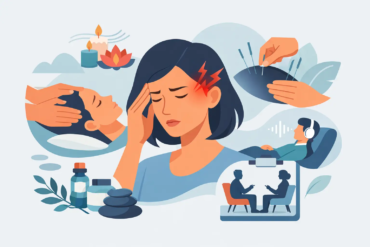
A tension headache can begin quietly: a tight jaw after a demanding day, shoulders held high during hours at a desk, or a dull band of pressure that builds by late afternoon. The best therapies for tension headaches do more than chase that immediate discomfort. They look at the muscle tension, stress load, movement habits, sleep and daily routines that may be keeping the pattern going.
For many people, a combined approach is more useful than relying on one treatment alone. Hands-on body therapy may help settle tight tissues, while gentle movement, breathing practices and practical lifestyle changes can help reduce the triggers that repeatedly bring the headache back.
Why tension headaches need a broader approach
Tension-type headaches are commonly felt as a steady, pressing or tightening sensation on both sides of the head. They may be accompanied by tenderness through the neck, temples, jaw, upper back or shoulders. Unlike migraine, they do not usually involve severe throbbing pain, nausea or strong sensitivity to light, although headache symptoms can overlap and every person’s experience is different.
Long periods of screen work, poor workstation set-up, emotional stress, inadequate sleep, dehydration, teeth grinding and reduced movement can all contribute. Sometimes the issue is less about one obvious cause and more about accumulated strain. A tailored plan considers how these factors interact rather than assuming every headache needs the same remedy.
First, know when to seek medical care
Recurring headaches deserve proper attention, particularly if they are new, changing or affecting daily life. A GP can help identify the type of headache and rule out causes that need medical treatment. This is especially important before assuming that all head pain is caused by muscle tension.
Seek urgent medical assessment for a sudden and severe headache, a headache after a head injury, or head pain with fever, fainting, confusion, weakness, numbness, speech changes, visual disturbance, a stiff neck or persistent vomiting. People who are pregnant, over 50 with a new headache pattern, or living with significant health conditions should also discuss recurring headaches with their doctor.
Using pain medicines frequently can itself contribute to medication-overuse headaches. If you are reaching for pain relief several days each week, speak with your GP or pharmacist about a safer plan.
Best therapies for tension headaches: hands-on care
Remedial massage and deep tissue massage
When tension is concentrated through the neck, shoulders and upper back, remedial massage can be a practical part of care. It aims to assess and work with areas of muscular tightness, restricted movement and postural strain that may be contributing to head pain. Treatment can be adapted to the person, whether the main concern is long hours at a computer, physically demanding work or stress held through the shoulders.
Deep tissue massage may be suitable where deeper muscular tension is present, but stronger is not always better. If the nervous system is already highly stressed or the area is very sensitive, overly intense pressure can leave a person sore and unsettled. A skilled treatment should be responsive, with pressure adjusted to support relief rather than simply pushing through discomfort.
Trigger point therapy and myofascial release
Trigger points are tender, tight areas in muscle that can refer discomfort elsewhere. For example, tension in the upper trapezius, neck muscles or jaw can sometimes be felt as pain around the temples or behind the eyes. Trigger point therapy uses focused, measured pressure to address these areas, while myofascial release works more gradually with the connective tissues surrounding muscles.
These therapies can be helpful when a headache is linked with a clear pattern of neck and shoulder tension. They are often most effective when followed by simple movement and workstation changes, so the same tissues are not repeatedly overloaded the next day.
Relaxation massage and Shirodhara
Not every tension headache is best met with a corrective or deep treatment. When stress, poor sleep and a sense of constant mental activity are central to the picture, relaxation massage may help create a calmer physical state. Slower, soothing treatment can support rest and body awareness, particularly for people who notice they are continually bracing or clenching.
In Ayurvedic practice, Shirodhara is a traditional therapy involving a gentle, steady flow of warm oil over the forehead. It is often chosen as part of a broader wellbeing plan for people seeking deep relaxation and support for an overactive stress response. While it should not replace medical assessment or be presented as a cure for headaches, it may be a valuable restorative therapy for the right person.
Yoga, breathing and regular movement
A short, consistent practice is usually more useful than an ambitious routine done once a month. Yoga for tension headaches does not need to be strenuous. Gentle neck mobility, shoulder rolls, chest-opening postures, supported forward folds and mindful upper-back movement can help counter the fixed positions of desk work.
Breathing practices are equally relevant. Shallow, hurried breathing often accompanies stress and can reinforce the feeling of being switched on all day. Taking five minutes to breathe slowly, allowing the exhale to become slightly longer than the inhale, can help settle the body. The aim is not to force relaxation but to give the nervous system regular opportunities to downshift.
If neck movement brings on dizziness, sharp pain, tingling or worsening symptoms, stop and seek clinical advice. Yoga should be adapted to your capacity, injuries and medical history.
Ayurvedic care that is tailored to the person
Ayurveda views wellbeing through the relationship between the body, mind, environment, routine and individual constitution. For tension headaches, an Ayurvedic consultation may explore sleep quality, digestion, stress patterns, work demands, food and drink habits, daily rhythm and the particular ways tension shows up in the body.
Recommendations may include appropriate dietary and lifestyle support, meditation, yoga, body therapies or herbal options where suitable. Herbal products are not automatically safe for everyone. They should be considered carefully, particularly if you take prescription medication, are pregnant or breastfeeding, have a health condition, or are preparing for surgery. A qualified practitioner can help ensure recommendations fit the person rather than following a generic wellness trend.
At Herbal Ayurveda and Yoga Clinic, care is guided by qualified Ayurvedic practitioner Mandeep Singh, who holds a Bachelor of Ayurvedic Medicine and Surgery and is a professional AAA member. This practitioner-led approach allows treatments and lifestyle guidance to be selected with the individual’s history, goals and comfort in mind.
Make daily changes that reduce the build-up
Therapy is often more effective when daily habits support it. Begin with the moments when tension tends to accumulate. If headaches commonly arrive after computer work, check that the screen is at a comfortable height, take brief movement breaks and avoid cradling the mobile between shoulder and ear. If jaw clenching is a factor, notice it at predictable times such as driving, concentrating or lying in bed, then gently let the teeth separate and the tongue rest.
Regular meals, adequate water, moderate caffeine intake and a consistent sleep routine can also make a difference. None of these changes needs to be perfect. A sustainable adjustment, repeated most days, is more likely to help than a strict routine that creates another source of pressure.
It can be useful to keep a simple headache record for a few weeks. Note when pain begins, where it is felt, what was happening beforehand, sleep quality, stress levels and what provided relief. This information can reveal patterns and gives your GP or therapist a clearer starting point for personalised care.
Choosing the right treatment plan
The most appropriate therapy depends on the pattern of your headaches. Someone with tight shoulders from manual work may benefit from remedial massage, trigger point therapy and mobility work. Someone whose headaches appear during periods of poor sleep and sustained worry may need a gentler combination of relaxation massage, breathing practice, meditation and support for a steadier daily routine.
A thoughtful plan also changes over time. As acute tension settles, the focus can shift from frequent treatment to maintaining movement, managing stress earlier and recognising warning signs before a headache becomes established. The goal is not only a quieter head today, but a better understanding of what your body is asking for and a calm, realistic way to respond.
Leave a Reply