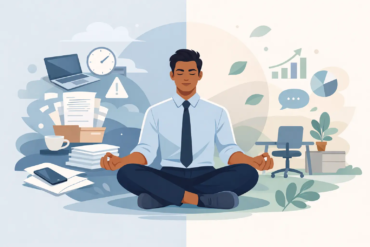
A full inbox, back-to-back meetings and the feeling that every task needs an immediate answer can keep the body in a state of alert long after the workday ends. Understanding how meditation reduces workplace stress can help create a practical pause in that cycle – one that supports clearer thinking, steadier energy and a more settled response to pressure.
Meditation is not about emptying the mind or becoming indifferent to work. It is a simple practice of bringing attention back to the present, often through the breath, physical sensations or a quiet point of focus. For busy professionals, its value lies in creating space between a stressful trigger and the automatic reaction that follows.
How meditation reduces workplace stress in the body
Workplace stress is not only a mental experience. When deadlines, conflict, constant notifications or heavy workloads feel unrelenting, the nervous system can remain switched on. You may notice shallow breathing, tight shoulders, a clenched jaw, digestive discomfort, poor sleep or a mind that continues rehearsing work conversations at home.
A regular meditation practice encourages the body to shift towards a calmer state. Slow, deliberate breathing can reduce the sense of urgency created by stress, while still attention helps interrupt the habit of constantly scanning for the next problem. The goal is not to remove every demanding situation. It is to help the body recover more readily after the situation has passed.
From an Ayurvedic perspective, ongoing stress can disturb the body’s natural balance and aggravate Vata qualities such as restlessness, irregularity and racing thoughts. A simple, consistent meditation practice can be grounding, particularly when it is paired with regular meals, adequate rest, gentle movement and a daily routine that feels manageable.
It changes the pause between pressure and response
A difficult email, a tense discussion or an unexpected change of plan can trigger an immediate reaction. Without awareness, that reaction may be frustration, worry, avoidance or the urge to work faster despite feeling overwhelmed. Meditation develops the ability to notice what is happening before acting on it.
This pause may be only a few seconds, but it can be meaningful. Instead of replying while irritated, you might take three slower breaths and return to the message later. Instead of carrying a meeting’s tension into the next task, you may recognise the tightness in your chest, soften your shoulders and reset your attention.
Over time, this practice can improve emotional regulation. It does not mean difficult feelings disappear, nor should they be ignored. Rather, meditation creates a calmer way to meet those feelings, making it easier to respond with perspective rather than react from exhaustion.
A steadier mind can support better focus
Stress often fragments attention. A person may be physically at their desk but mentally jumping between unfinished tasks, future concerns and past mistakes. This can make straightforward work feel harder and increase the temptation to multitask.
Meditation trains attention by gently returning the mind to one chosen anchor whenever it wanders. The breath is a common anchor because it is always available. Each return is part of the practice, not a failure.
That same skill can carry into the workday. It may become easier to focus on one task for a defined period, listen more fully during a conversation or notice when scrolling and notifications are pulling attention away. Better concentration cannot solve an unrealistic workload, but it can reduce some of the mental friction that makes work feel more draining.
The most useful practice is one you will repeat
Long sessions are not essential for workplace stress relief. For many people, a five-minute practice done regularly is more sustainable than an ambitious routine that lasts a few days. Consistency gives the nervous system repeated opportunities to settle.
A brief morning practice can help set a calmer pace before work begins. A midday pause may be useful after demanding calls or before lunch. An evening practice can create a boundary between work and home, especially for people who continue checking messages after hours.
The right approach depends on the person and the nature of their work. Someone in a customer-facing role may benefit from short breathing pauses between appointments. A person who works from home may need a more deliberate ritual to mark the end of the day. For others, sitting still may initially feel uncomfortable, and guided meditation, gentle yoga or a mindful walk may be a more accessible starting point.
A simple five-minute workplace meditation
Find a quiet place if possible. This may be your car before entering the office, a meeting room, a park bench or simply your chair with your mobile set aside. Sit comfortably, with both feet supported and your shoulders relaxed.
Allow your gaze to soften or close your eyes. Notice the natural rhythm of your breathing without trying to force it. Then slowly lengthen the exhale, breathing in comfortably and breathing out a little more slowly.
When thoughts about tasks, people or deadlines arise, acknowledge them without judgement. Silently name them as thinking, planning or worrying, then return to the sensation of breathing. Continue for five minutes before taking a moment to notice how your body feels.
This is not a test of concentration. A busy mind is common, particularly when stress has been building. The benefit comes from returning, again and again, to the present moment with patience.
Meditation works best alongside practical change
Meditation can be a valuable support, but it should not be used to normalise harmful workplace conditions. If workload expectations are unreasonable, bullying is present, breaks are routinely missed or stress is affecting sleep and health, practical support and appropriate workplace conversations matter.
It also helps to consider the wider pattern. Caffeine late in the day, irregular meals, little movement, poor boundaries around work messages and insufficient sleep can all make the body more reactive to stress. A personalised approach considers these habits together rather than treating meditation as a standalone solution.
For some people, stress is closely held in the body. Persistent neck tension, headaches, lower back discomfort and fatigue can make it difficult to sit quietly and settle. Supportive therapies such as remedial massage, relaxation massage or yoga-based wellbeing practices may complement meditation by helping the body release physical tension. The most suitable approach depends on your health history, lifestyle and current needs.
When to seek additional support
Meditation is generally gentle and adaptable, but it is not a replacement for medical or psychological care. If anxiety, low mood, panic, trauma symptoms, ongoing insomnia or burnout are affecting daily life, speak with a qualified health professional. A meditation practice can still be supportive, but it may need to be introduced carefully and alongside appropriate care.
For people seeking individual guidance in Adelaide, Herbal Ayurveda and Yoga Clinic offers practitioner-led Ayurvedic lifestyle support that considers stress in the context of the whole person. A tailored plan may include meditation, daily routine guidance, yoga-based practices or body therapies according to individual circumstances.
Work will always have demanding periods. The aim is not to become unaffected by pressure, but to build a reliable way of returning to yourself within it. A few quiet minutes of practice, repeated with care, can become a small but meaningful part of a healthier working life.
Leave a Reply