Category: Uncategorized

  • Remedial Massage vs Deep Tissue: Which Fits?

    Remedial Massage vs Deep Tissue: Which Fits?

    A tight neck after long hours at a desk, a calf that has not settled since a run, or shoulders that seem to sit permanently near your ears can all call for massage. Yet choosing between remedial massage vs deep tissue is not simply a matter of deciding how much pressure you can tolerate. These treatments can overlap, but they begin with different intentions and may be approached quite differently in a consultation.

    The most useful massage is not necessarily the firmest one. It is the treatment that responds to your current symptoms, health history, movement patterns and comfort, while supporting your body’s capacity to recover.

    Remedial massage vs deep tissue: the key difference

    Remedial massage is a therapeutic treatment aimed at assessing and addressing a particular musculoskeletal concern. You may seek it for ongoing muscular tension, restricted movement, a recurring ache, postural strain or recovery support after physical activity. The practitioner considers where you feel discomfort, but also the surrounding muscles and patterns that may be contributing to it.

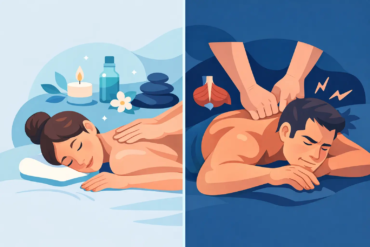
    Deep tissue massage describes a style of massage that uses slower, firmer strokes and sustained pressure to work with deeper layers of muscle and connective tissue. It is often chosen when muscles feel dense, stiff or chronically tight. Deep tissue techniques may be included within a remedial massage treatment, but deep pressure alone does not make a massage remedial.

    Put simply, remedial massage is defined by its therapeutic purpose and individual assessment. Deep tissue is defined more by the depth and manner of pressure used. A remedial session may use gentle work, myofascial release, stretching, trigger point therapy or deeper techniques, depending on what is appropriate. A deep tissue session may feel highly focused and firm, though it can be adapted to your needs.

    What happens in a remedial massage?

    A remedial massage appointment usually starts with a conversation. Your practitioner may ask about your symptoms, work demands, exercise routine, previous injuries, medical conditions and what improves or aggravates the problem. This helps build a clearer picture before hands-on treatment begins.

    The treatment itself is tailored rather than fixed. For example, persistent headaches linked with neck and shoulder tension may call for careful work through the upper back, chest, neck and jaw-related areas, rather than strong pressure directly where pain is felt. A person managing lower-back tightness may benefit from attention to the hips, glutes and legs as well as the lumbar area.

    Pressure can be moderate or firm, but it should be purposeful. A practitioner may combine techniques such as trigger point therapy, myofascial release and targeted soft-tissue work to encourage mobility and reduce muscular guarding. You may also receive simple guidance about hydration, movement, rest or when to seek further assessment.

    Remedial massage is often a good choice when you have a specific concern and want a considered treatment plan rather than a standard full-body massage. It can also suit people whose needs change from one appointment to the next, such as active adults balancing training with desk work, or professionals carrying stress physically through the shoulders and jaw.

    When a focused approach matters

    Pain is not always located at its source. A sore forearm may relate to repetitive gripping and shoulder posture. Hip discomfort may be influenced by prolonged sitting, training load or tension through surrounding tissues. Massage cannot replace medical diagnosis, but a remedial approach recognises that the body works as an interconnected system.

    This broader perspective fits well with whole-person care. Sleep, stress, daily habits and physical demands can all influence how the body holds tension and recovers. Addressing these factors gently and realistically can be as valuable as the treatment itself.

    What does deep tissue massage feel like?

    Deep tissue massage is usually slower and more concentrated than relaxation massage. The therapist may use palms, fingers, forearms or elbows to apply sustained pressure to areas of muscular tightness. It is commonly used on the back, shoulders, hips, legs and other regions that feel restricted or overworked.

    A deep tissue treatment can feel intense, especially when a tight area is being worked. However, intense should not mean unbearable. Holding your breath, tensing against the pressure or feeling sharp, electric or burning pain are signs to speak up. More pressure is not always more effective, and forcing a muscle to release can leave it feeling more irritated rather than settled.

    It is normal to feel some tenderness for a day or two after firmer bodywork, much like the sensation after unfamiliar exercise. Gentle movement, adequate water and allowing time to rest can help. If soreness is substantial, prolonged or concerning, contact your practitioner or a relevant health professional.

    Deep tissue massage may suit you if you enjoy firm pressure and are experiencing generalised muscular stiffness, particularly after repetitive activity, training or prolonged postures. It may also be useful as one component of a broader remedial treatment. The right choice depends on what your body needs on that day, not on a belief that massage must hurt to work.

    Which treatment should you choose?

    Choose remedial massage when you have a defined issue you would like assessed, such as recurring neck tension, limited range of movement, a muscular ache related to work or exercise, or an area that is affecting your daily comfort. It is also a sensible option if you are unsure what type of massage you need, because the treatment can be adjusted after discussion and assessment.

    Choose deep tissue massage when your main goal is firm, focused work for broad muscular tightness and you are generally comfortable with stronger pressure. Be clear with your practitioner about your preference, but remain open to a lighter or more varied approach if your tissues are sensitive, fatigued or inflamed.

    Neither option is automatically better. A person with long-standing shoulder tightness might benefit from deep tissue techniques during a remedial appointment. Another person with similar symptoms may need gentler work, breathing support and attention to stress-related muscle guarding. The label matters less than a skilled, responsive treatment.

    When firmer pressure is not appropriate

    Massage should always be adapted for safety. Tell your practitioner if you are pregnant, have had recent surgery or injury, take blood-thinning medication, have osteoporosis, varicose veins, diabetes, cancer, a skin condition, fever, infection or unexplained pain. These circumstances do not always rule out massage, but they can change what techniques are suitable and whether medical clearance is needed.

    Avoid trying to massage through acute swelling, significant bruising, suspected fracture, sudden weakness, numbness or severe pain. These symptoms deserve prompt medical assessment. Massage is supportive care, not a substitute for diagnosis or emergency treatment.

    Open communication also matters during the session. Let your practitioner know about changes in sensation, discomfort levels and any areas you would prefer not to have treated. A respectful therapeutic treatment should leave you feeling heard, not pressured to endure more than is comfortable.

    A personalised treatment can include both

    At Herbal Ayurveda and Yoga Clinic, massage is approached as part of personalised wellbeing rather than a one-size-fits-all service. For some clients, that may mean focused remedial work with trigger point therapy or myofascial release. For others, it may mean balancing deeper techniques with calmer therapeutic touch, breathing and practical lifestyle support.

    Ayurvedic principles also encourage attention to the individual. Factors such as stress, sleep, digestion, activity levels and seasonal changes can affect how the body feels and responds. While a massage can provide welcome relief, lasting wellbeing is often supported by the small practices that follow: regular movement, restorative rest, nourishing routines and noticing tension before it becomes overwhelming.

    The best starting point is an honest conversation about what you are feeling and what you hope to gain. Whether your treatment includes remedial massage, deep tissue techniques or a gentler approach, your body should be met with care, skill and enough space to recover.

  • Does Cupping Therapy Hurt? What to Expect

    Does Cupping Therapy Hurt? What to Expect

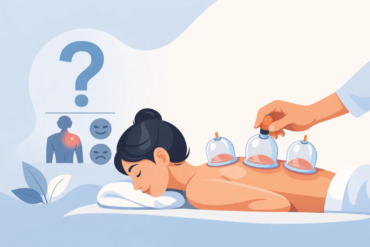
    A cup is placed on your back, shoulder or leg, and the skin gently rises inside it. For many first-time clients, that moment brings the same question: does cupping therapy hurt? Usually, cupping should feel unusual rather than painful. Most people describe a firm pulling, stretching or pressure sensation that eases as the body settles.

    Cupping is a traditional body therapy often used alongside remedial massage, deep tissue work and other hands-on treatments. At Herbal Ayurveda and Yoga Clinic, it is approached as an individualised treatment, not a one-size-fits-all experience. The amount of suction, the area being treated and your current level of sensitivity all matter.

    Does Cupping Therapy Hurt During Treatment?

    Dry cupping uses a cup to create suction on the skin. Depending on the method used, this may be done with a hand pump or gentle heat. The suction draws superficial tissue upwards, which can create a strong feeling of pressure. It is different from the downward pressure of a massage, and that difference can take a little getting used to.

    For some people, the sensation is relieving, particularly over tight shoulders, the upper back or muscles that feel stiff from long hours at a desk. Others find it intense at first, especially where there is significant muscular tension or tenderness. Intensity is not a sign that the treatment is working better. A skilled practitioner can reduce the suction, shorten the time a cup remains in place, or choose another technique if it does not feel comfortable.

    Cupping should not involve sharp, burning or pinching pain. You should also not feel that you have to tolerate discomfort to get a result. Let your practitioner know straight away if the sensation feels too strong. Clear communication helps make the session both safer and more useful.

    Stationary and moving cups can feel different

    With stationary cupping, cups remain in one position for a short period. This commonly produces a steady, contained pulling sensation. Moving cupping involves gliding a cup over oiled skin and may feel closer to a firm massage, with added traction across the tissue.

    Moving cups can feel more stimulating over areas of tightness, while stationary cups may create a deeper sense of local pressure. Neither approach needs to be painful. The most appropriate method depends on your goals, body type, skin sensitivity and how you respond during the appointment.

    Why Do Cupping Marks Appear?

    The round marks that can appear after cupping are often the part clients worry about most. They are not usually bruises caused by blunt injury. Suction encourages blood flow to the surface tissues and can leave temporary red, purple or darker circular areas. Their appearance varies widely according to the suction level, the length of application, skin tone, circulation and individual tendency to mark.

    A mark does not reliably measure the success of treatment. Darker is not better, and it is not necessary to leave prominent marks for cupping to be beneficial. A careful practitioner will work with an appropriate level of suction rather than pursuing a particular appearance.

    Marks are generally not painful to touch, though the area may feel mildly tender or warm afterwards, much like it can after a deeper massage. They commonly fade over several days and may take up to two weeks to fully clear. If you have an event, beach day or professional photos coming up, mention this before treatment so the cup placement and intensity can be considered.

    What Affects How Cupping Feels?

    Your experience of cupping can change from one appointment to the next. The body is not equally sensitive every day. Poor sleep, stress, dehydration, recent strenuous exercise and existing muscle soreness can all affect how strongly you feel treatment.

    The location matters too. Fleshier areas such as the upper back may tolerate suction differently from bony or naturally sensitive areas. A person with tight trapezius muscles from computer work may find cups on the shoulders initially intense but relieving afterwards. Someone with a low pain threshold, sensitive skin or anxiety around new treatments may prefer a gentler beginning.

    Your practitioner should take these factors into account before and during the session. This is particularly valuable when cupping is combined with remedial massage, trigger point therapy or myofascial release. The aim is to support comfort and movement, not to overwhelm the nervous system with too much treatment at once.

    What Might You Feel Afterwards?

    Many clients feel looser, warmer or deeply relaxed after cupping. Some notice a temporary heaviness in the treated muscles, mild tenderness or fatigue for the rest of the day. This is generally short-lived. Drinking water, having a nourishing meal and allowing time for gentle movement or rest can be sensible aftercare choices.

    Avoid treating post-session soreness as something to push through with very intense exercise. Give your body a chance to respond, particularly after your first appointment. If you are unsure whether a sensation is expected, contact your practitioner for guidance.

    Seek medical advice promptly for severe pain, increasing swelling, blistering, signs of skin infection, dizziness that does not settle, or any reaction that concerns you. These responses are not typical and deserve appropriate assessment.

    When Cupping May Not Be Suitable

    Cupping is not appropriate for every person or every area of the body. It should not be applied over broken, sunburnt, inflamed or infected skin. Extra caution is needed if you bruise easily, take blood-thinning medication, have a bleeding disorder, have reduced skin sensation, or have certain circulatory or skin conditions.

    Pregnancy, recent surgery, active illness and a history of blood clots also warrant an individual conversation before treatment. Do not assume a therapy is suitable simply because it is natural or traditional. A qualified practitioner should ask about your health history, current symptoms and medications, then explain whether cupping is appropriate or whether a gentler alternative may better suit your needs.

    Cupping should complement, not replace, medical assessment for unexplained or persistent pain. New weakness, numbness, chest pain, severe headaches, fever or pain after an injury need timely medical care.

    How to Make Your First Session More Comfortable

    Arrive with a clear idea of what you would like help with, whether that is neck tension, postural tightness, recovery after activity or a general sense of muscular stiffness. Wear clothing that allows access to the treatment area, and avoid arriving extremely hungry or dehydrated.

    Most importantly, speak openly. Tell your practitioner if you have never had cupping before, if you are concerned about marks, or if you prefer a very gentle approach. You can ask for the suction to be reduced at any time. Treatment works best when it is collaborative, paced and responsive to your feedback.

    A good cupping session leaves you feeling cared for, not tested. Starting gently gives you the space to notice how your body responds and to build confidence in what feels right for you.

  • Natural Stress Relief Adelaide for Lasting Calm

    Natural Stress Relief Adelaide for Lasting Calm

    Stress does not always arrive as a single dramatic event. For many people, it builds quietly through tight shoulders after work, shallow sleep, digestive discomfort, racing thoughts, irritability or the sense that there is never enough time to properly recover. Natural stress relief Adelaide residents can access should recognise this whole picture, rather than treating stress as only a mental or physical concern.

    A thoughtful approach considers your daily routine, energy, sleep, movement, food, responsibilities and the way stress is felt in your body. Ayurveda and yoga offer practical, time-tested ways to support balance, while therapeutic bodywork can help ease the physical tension that often accompanies a demanding lifestyle.

    Stress is personal, so support should be too

    Two people can experience the same busy week very differently. One may become restless, overthink and struggle to sleep. Another may feel flat, fatigued and withdrawn. Someone else may hold stress in the neck, jaw, lower back or stomach. This is why a standard wellness routine is not always the right answer.

    In Ayurvedic practice, stress is viewed through the individual’s constitution, current imbalance, digestion, sleep, lifestyle and emotional state. The aim is not to promise a quick fix or remove every source of pressure. It is to help create steadier foundations so the body and mind are better able to respond.

    A personalised consultation can identify patterns that are easy to miss when you are simply trying to get through the day. You may notice that late meals, skipped breaks, too much caffeine, irregular sleep or constant screen use are contributing more than expected. Small, realistic adjustments can be more sustainable than an ambitious routine that disappears after a week.

    Begin by settling the nervous system

    When stress has been ongoing, the body can remain in a state of alert even during quiet moments. Starting with simple calming practices gives the nervous system a clearer signal that it is safe to slow down.

    Use breathing that feels comfortable

    Slow, unforced breathing can be a useful starting point. Sit comfortably and allow the exhale to become slightly longer than the inhale, without straining or holding the breath. Even two to five minutes before bed, after arriving home or before an important meeting may create a helpful pause.

    The goal is not perfect technique. If focusing on breathing makes you feel uncomfortable or light-headed, return to a normal breath and seek guidance from a qualified yoga practitioner. Gentle practices should feel supportive, not like another task to perform well.

    Create a transition after work

    Many professionals move directly from emails, traffic or caring responsibilities into dinner, household tasks and more screen time. The body receives no clear boundary between effort and rest. A short transition ritual can make a meaningful difference.

    This may be a quiet walk, a warm shower, changing into comfortable clothes, five minutes of stretching or sitting without your mobile. Consistency matters more than duration. A regular cue helps shift the day from doing to recovering.

    Protect sleep from the evening rush

    Sleep is often the first area affected by stress and one of the strongest supports for recovery. Rather than aiming for a flawless bedtime routine, choose one change you can repeat: reduce stimulating screens before bed, eat dinner earlier where possible, dim lights, or write tomorrow’s tasks down so they are not circling in your mind.

    If sleep disruption is persistent, severe or affecting your ability to function, it is wise to discuss it with your GP. Holistic support can complement appropriate medical care, but should not replace assessment where it is needed.

    Ayurveda offers a whole-person framework

    Ayurveda does not separate the mind from the body. It recognises that daily habits, sensory input, food, rest, movement and emotional load all influence wellbeing. An Ayurvedic lifestyle consultation may explore the qualities of your stress response and recommend supportive routines suited to your needs.

    For a person who feels overstimulated and restless, calming meals, warmer routines, regularity and gentle grounding practices may be considered. For someone who feels heavy, sluggish or unmotivated, the focus may be different, with more energising movement and structure. These are examples only. Appropriate recommendations depend on the individual.

    Herbal recommendations may also be part of an Ayurvedic plan when suitable. Herbs are not automatically safe for everyone, particularly during pregnancy, breastfeeding, or when taking prescription medicines. A qualified practitioner should review your circumstances and work within appropriate professional boundaries.

    At Herbal Ayurveda and Yoga Clinic, care is led by Mandeep Singh, a qualified practitioner with a Bachelor of Ayurvedic Medicine and Surgery and professional AAA membership. This practitioner-led approach allows recommendations to be considered in the context of the person, rather than selected from a generic stress-relief menu.

    Yoga and meditation can make calm more accessible

    Yoga for stress relief does not need to mean a demanding class or advanced postures. Often, the most useful practice is slower and simpler: supported positions, gentle mobility, awareness of the breath and a period of quiet rest. For a tense body, this can be a more approachable entry point than pushing through a high-intensity workout when energy is already depleted.

    Meditation can also be adapted to the person. Some people settle with quiet seated practice. Others find a guided body scan, mantra, mindful walking or a few minutes of focused attention more realistic. A busy mind is not evidence that you are doing it wrong. It is often the very reason the practice is needed.

    It depends on your current state. If you are highly fatigued, restorative yoga and rest may be more helpful than vigorous movement. If you feel mentally dull after long hours sitting, a short active practice may improve your sense of clarity. Personal guidance helps avoid the habit of forcing yourself into routines that do not match your needs.

    Therapeutic massage can address stress held in the body

    Stress is commonly carried as muscular tension. You may wake with a clenched jaw, notice headaches after a long day, or feel your shoulders creep towards your ears during difficult conversations. Therapeutic massage can support relaxation while addressing areas of physical discomfort and restricted movement.

    The appropriate treatment depends on what your body needs on the day. Relaxation massage may suit someone seeking a gentler experience and time to settle. Remedial massage, deep tissue massage, trigger point therapy, myofascial release and cupping therapy may be considered where specific muscular tension or movement concerns are present. Lymphatic drainage may be appropriate in particular circumstances, with treatment tailored accordingly.

    More pressure is not always better. Deep work can be useful for some people, but it may not be suitable when you are exhausted, sensitive, injured or simply needing a restorative session. Clear communication with your therapist about comfort, health history and treatment goals is essential.

    Shirodhara for deep rest

    Shirodhara is a traditional Ayurvedic therapy in which a steady stream of warm oil is applied to the forehead in a calm, supported setting. Many people choose it when they feel mentally overactive or have found it difficult to switch off. The experience is designed to encourage deep relaxation and a sense of stillness.

    Like any treatment, it should be recommended after considering the person’s needs and health circumstances. A consultation helps determine whether Shirodhara is suitable and how it may fit within a broader wellbeing plan.

    Build a routine you can actually keep

    The most effective natural stress support is usually not dramatic. It is the combination of small actions repeated often enough to become part of life. Choose practices that fit your schedule and begin with one or two changes, rather than trying to overhaul everything at once.

    You might set a regular wake time, take a proper lunch break away from your desk, prepare a simple evening meal, attend a tailored yoga session, or book bodywork before tension becomes overwhelming. These choices will not remove workplace demands or family responsibilities, but they can improve how supported you feel while meeting them.

    Pay attention to your own signs of overload. For some people, it is poor sleep. For others, it is digestive changes, frequent pain, low patience, withdrawing from people they care about or relying more heavily on alcohol, caffeine or scrolling to unwind. Recognising the pattern early creates more room to respond with care.

    When to seek additional support

    Natural therapies can be a valuable part of a stress-management plan, especially when they encourage regular rest, body awareness and healthier routines. However, persistent anxiety, panic, depression, trauma symptoms, severe insomnia or thoughts of self-harm need timely support from an appropriate medical or mental health professional. In an emergency, contact emergency services immediately.

    There is no need to wait until stress becomes unmanageable before seeking help. A calm, individualised approach can provide space to understand what your body is communicating and begin making changes that are practical for your life. Lasting relief often begins not with doing more, but with giving your wellbeing the same considered attention you give everything else.

  • A Guide to Trigger Point Therapy for Muscle Pain

    A Guide to Trigger Point Therapy for Muscle Pain

    A tight spot in your shoulder that seems to send discomfort up your neck, or a tender point in the glute that makes sitting uncomfortable, can feel far more persistent than an ordinary ache. This guide to trigger point therapy explains how focused hands-on treatment may help ease muscular tension, what to expect during a session, and when a different approach is needed.

    Trigger point therapy is often included within remedial or deep tissue massage, but it is not simply firm pressure applied to every sore area. It is a considered treatment approach that looks at how a sensitive area of muscle may be affecting movement, posture and comfort elsewhere in the body. For many people, the best results come when treatment is paired with realistic changes to work habits, movement and recovery.

    What is trigger point therapy?

    A trigger point is a tender, irritable spot within a muscle or its surrounding connective tissue. People commonly describe it as a knot, although muscles do not literally tie themselves in knots. When pressure is applied, the point may feel sharply sensitive, produce a familiar ache, or refer discomfort to another area.

    For example, a sensitive point in the upper trapezius muscle may contribute to tension around the neck or head. A point in the gluteal muscles may be felt in the lower back, hip or leg. Referred discomfort does not mean every pain pattern has a trigger point as its cause. It does mean that assessing the whole area, rather than chasing the place where pain is felt, can be useful.

    In trigger point therapy, a trained practitioner identifies areas of muscular guarding and tenderness through discussion, observation and palpation. They may use sustained, tolerable pressure, slow massage strokes, stretching or movement techniques to help the tissue relax. Treatment is adapted to the individual rather than delivered as a fixed sequence.

    Why muscles develop sensitive points

    Muscles can become overworked or guarded for many reasons. Long hours at a desk, repetitive work, training changes, poor sleep, emotional stress, an old injury and limited recovery can all play a part. Sometimes the contributing factor is obvious, such as carrying a heavy bag on one shoulder. At other times, several small demands build up over weeks or months.

    A trigger point is not always a sign of damage. The body may be responding to load, fatigue or a protective movement pattern. That distinction matters. Pressing hard on a tender spot without considering why it developed can leave a person sore without changing the pattern that keeps bringing the tension back.

    This is where an individualised assessment is valuable. A person with neck tension from computer work may need gentle work through the shoulders and chest, together with breaks and screen-position changes. Someone managing calf tightness after increasing their running may need a different balance of treatment, load management and mobility work. The right plan depends on the person, their health history and their daily demands.

    What happens in a trigger point therapy session?

    Your practitioner will usually begin by asking about the area that is troubling you, how long it has been present, what makes it better or worse, and any relevant health conditions or injuries. They may assess posture, movement and the surrounding muscles before beginning treatment.

    During hands-on work, pressure is applied gradually to a tender point and held for a short period, or combined with slow release techniques. The pressure should feel purposeful, not overwhelming. You may feel a local ache, a twitch in the muscle, or a sensation that travels along a familiar pattern. Clear communication is essential, as the therapist can adjust pressure, positioning or technique at any time.

    Some people feel looser and more comfortable immediately. Others notice temporary tenderness for a day or two, particularly after deeper work in an area that has been tense for some time. Drinking water, gentle movement and avoiding unusually strenuous activity straight after treatment may support recovery. There is no benefit in pushing through severe post-treatment pain.

    A session may also include broader massage techniques, myofascial release, stretching or practical advice for home. Trigger point therapy works best as part of a wider treatment plan when there are ongoing contributors to discomfort.

    When trigger point therapy may help

    This approach may be suitable for muscular tightness, restricted movement and localised tenderness associated with common day-to-day strain. People often seek treatment for persistent neck and shoulder tension, tension-related headaches, lower-back tightness, hip discomfort, jaw tension, or muscular soreness after repetitive activity.

    It may also support people who feel that one area is constantly doing too much work. A shoulder that tightens while typing, for instance, may reflect reduced movement through the upper back, stress-related bracing, or an ergonomic setup that needs attention. Massage can ease the immediate tension, while appropriate movement and lifestyle changes help make the improvement more sustainable.

    Research into trigger points and referred pain patterns continues to develop, and responses vary. Hands-on therapy should not be presented as a cure for every type of pain. Some people need only occasional treatment; others benefit from several sessions alongside exercise, physiotherapy or medical care. A thoughtful practitioner will explain what is realistic for your situation.

    The difference between helpful pressure and too much pressure

    A common misconception is that deeper treatment is always better. In reality, overly forceful pressure can cause you to tense further, bruise easily or feel unnecessarily sore afterwards. Effective therapy is based on the body’s response, not a contest of endurance.

    Aim for pressure that is noticeable and therapeutic but still manageable. Breathing steadily and being able to relax around the area are useful signs. If you are holding your breath, clenching or feeling sharp pain, tell your practitioner. Gentle techniques can be highly effective, particularly for people who are sensitive to touch, fatigued, stressed or returning to treatment after injury.

    Your treatment may need to be modified if you take blood-thinning medication, have fragile skin, are pregnant, live with chronic pain, or have a health condition affecting circulation or sensation. This does not automatically rule out massage, but it changes the approach.

    When to seek medical advice first

    Muscle tenderness is common, but not all pain is muscular. Seek prompt medical assessment for severe or unexplained pain, chest pain, sudden weakness, numbness, loss of coordination, fever, unexplained swelling, or pain following a significant fall or accident. New bowel or bladder changes alongside back pain also require urgent medical attention.

    It is also wise to speak with your GP or relevant health professional before treatment if you have a recent fracture, active infection, a blood clotting disorder, suspected deep vein thrombosis, uncontrolled high blood pressure, cancer-related concerns, or a new neurological symptom. A responsible massage practitioner will screen for concerns and refer when hands-on treatment is not appropriate.

    Supporting the effects of treatment at home

    A single treatment can create welcome relief, but your everyday patterns influence how long that relief lasts. The most useful home care is usually simple and consistent. Short movement breaks through the day, changing positions regularly, comfortable walking, gentle mobility work and enough recovery after exercise can all reduce the load on persistently tense muscles.

    Notice when the discomfort tends to appear. Is it after driving, at the end of a stressful day, following a gym session, or after sleeping in one position? This information gives you and your practitioner a clearer starting point than treating the sore spot in isolation.

    Avoid aggressively digging into tender points with a ball, massage gun or other device. These tools may be helpful for some people, but they are easy to overuse. Start gently, keep the duration short, and stop if symptoms become sharper, spread, or remain worse the following day.

    A whole-person approach to muscular tension

    At Herbal Ayurveda and Yoga Clinic in Adelaide, trigger point therapy can be considered within a broader, personalised approach to wellbeing. Muscular tension is often connected with workload, sleep, stress, activity and recovery, so treatment can be complemented by remedial massage, deep tissue techniques, yoga-based support or lifestyle guidance where appropriate.

    The goal is not to chase every knot. It is to help you understand your body’s patterns, reduce unnecessary strain and choose care that feels safe, measured and suited to your needs. If a tight area keeps returning, that recurring pattern is useful information – and a good reason to seek an individual assessment rather than simply tolerating it.

  • How to Choose Remedial Massage That Suits You

    How to Choose Remedial Massage That Suits You

    A sore neck after long days at a desk, a recurring tight spot through the shoulder, or muscles that never quite recover after training can all call for more than a pleasant rub-down. Knowing how to choose remedial massage helps you find care that is suited to your body, your health history and the outcome you are hoping for.

    Remedial massage is not a one-size-fits-all treatment. It is a targeted form of massage that assesses areas of muscular tension, restriction and discomfort, then uses appropriate techniques to support movement, circulation and recovery. The best choice is not necessarily the deepest or longest treatment. It is the one delivered by a qualified practitioner who listens carefully and adapts the session to you.

    Start with the reason you are seeking massage

    Before booking, take a moment to describe what is bringing you in. You may have a persistent ache, reduced range of motion, tension linked to work stress, post-exercise soreness or a feeling that one part of the body is compensating for another. Clear goals give the practitioner a useful starting point and help you decide whether remedial massage is the right fit.

    It also helps to be realistic about what massage can do. A treatment may ease muscular tightness, support relaxation and help you feel more comfortable moving, but it is not a replacement for medical assessment where one is needed. Sudden severe pain, numbness, unexplained swelling, fever, significant weakness, a recent fracture or symptoms following an accident should be discussed with a doctor or appropriate health professional first.

    For many people, the goal is not simply to make pain disappear in one appointment. It is to understand contributing patterns, reduce strain and develop a more sustainable approach to movement, rest and stress.

    How to choose remedial massage with confidence

    A good remedial massage appointment begins before hands-on treatment. Look for a practitioner who makes space for a proper consultation, rather than moving straight into a standard routine. They should ask about your main concern, relevant injuries, work demands, activity levels, medications and any health conditions that may affect treatment.

    Check qualifications and professional standards

    Massage is hands-on healthcare support, so training matters. Ask whether the practitioner holds recognised remedial massage qualifications and maintains professional association membership. These details indicate formal training in anatomy, assessment, safe practice and treatment planning.

    If you intend to claim through private health insurance, confirm that the practitioner and service are eligible under your particular policy before your appointment. Eligibility varies between funds and levels of cover, so it is worth checking rather than assuming.

    Credentials alone are not the entire picture, but they provide an essential foundation. A capable practitioner also knows the limits of massage therapy, works within their scope and refers clients onward when symptoms require medical investigation or another form of care.

    Choose assessment over a fixed routine

    A remedial treatment should be guided by what your body presents on the day. Your practitioner may observe posture and movement, gently assess tissues, ask where discomfort is felt and identify areas that may be contributing to the issue. The assessment does not need to be complicated, but it should feel purposeful.

    Be cautious of promises that one technique can correct every problem or that pain during treatment is proof that it is working. Effective massage does not have to be intensely painful. At times, focused work can feel tender, especially around tight tissue, but you should be able to communicate comfortably and ask for pressure to be adjusted.

    The right practitioner will explain what they are doing in clear language and seek your feedback throughout the session. You should feel informed, respected and physically safe.

    Match the technique to your needs

    Remedial massage can include several approaches. The most suitable method depends on your presentation, preferences and tolerance on the day. Deep tissue massage may be helpful when layers of muscular tension need focused work, while trigger point therapy can address sensitive, tight points that refer discomfort elsewhere.

    Myofascial release uses slower, sustained contact to work with restrictions in connective tissue and may suit people who feel generally stiff or restricted. Cupping therapy may be used as part of a treatment plan for some clients, while lymphatic drainage uses a much lighter approach and is not interchangeable with deep pressure work.

    These techniques are tools, not treatments to select because they sound strongest or most specialised. A thoughtful practitioner may use one method, combine several or decide that gentle work is more appropriate than deep pressure. If you are sensitive to touch, new to massage, living with a chronic condition or feeling depleted from stress, tell them. Your comfort is relevant clinical information, not an inconvenience.

    Consider the whole person, not only the sore spot

    A tight shoulder is rarely just a shoulder story. It may be influenced by workstation habits, sleep position, training load, breathing patterns, stress or the way the body has adapted after a previous injury. Massage can be valuable in this broader context when it is paired with careful listening and practical guidance.

    At Herbal Ayurveda and Yoga Clinic, remedial massage is approached as part of individual wellbeing rather than as a rushed, standardised service. A practitioner-led consultation can consider your physical concerns alongside the lifestyle factors that may be sustaining tension. For some clients, this may also include simple suggestions around rest, movement, yoga-based practices or daily routines that support a greater sense of balance.

    This does not mean every session needs to become a major lifestyle overhaul. Often, one achievable change is more useful than a long list of instructions. The purpose is to help the benefits of treatment carry into ordinary life.

    Ask the practical questions before you book

    A brief conversation before your first appointment can reveal a great deal about a clinic’s approach. Ask whether an initial consultation is included, how long the treatment lasts and what information you should bring. If you have scans, a diagnosis or guidance from another health professional, ask whether it would be helpful to share this information.

    You can also ask what you may feel afterwards. Some people experience relief and easier movement straight away. Others may feel temporarily tender, tired or more aware of an area that has been holding tension. A professional practitioner should explain expected responses, recommend suitable aftercare and tell you what would warrant follow-up.

    Privacy, consent and communication matter just as much as technique. You should know how draping is handled, which areas will be treated and that you can decline any part of a treatment. A calm, respectful setting makes it easier for the nervous system to settle, which can be especially valuable if stress is contributing to physical tension.

    Know when remedial massage may not be the first step

    Massage is often supportive, but timing matters. It may need to be postponed or modified if you have an acute illness, contagious skin condition, active infection, fever, unexplained pain or a recent serious injury. Pregnancy, cancer care, osteoporosis, blood-clotting concerns and certain medications can also require adjustments or medical clearance.

    This is not a reason to avoid massage automatically. It is a reason to choose a practitioner who asks the right questions and tailors their care responsibly. Honest disclosure helps protect you and allows treatment to be planned appropriately.

    Look for a plan, then reassess

    For a recent, straightforward muscular issue, one or two sessions may be enough to help you feel more comfortable. Long-standing tension, repetitive work strain or patterns connected to training may benefit from a short series of treatments, with progress reviewed along the way. More appointments are not always better. The plan should respond to your results, budget and goals.

    After treatment, consider practical changes rather than judging success only by whether all discomfort has vanished. Can you turn your head more freely? Is sitting at your desk easier? Are you sleeping more comfortably, recovering better after activity or noticing when tension begins to build? These details help you and your practitioner decide what to do next.

    The right remedial massage should leave you feeling heard as well as treated. Choose a practitioner whose qualifications inspire confidence, whose assessment is thorough and whose care respects your body’s pace. When treatment is personalised and supported by sensible daily habits, it can become a steady part of caring for your wellbeing rather than a last resort when tension becomes overwhelming.

  • How to Start Meditation Practice Simply

    How to Start Meditation Practice Simply

    Most people do not struggle with meditation because they lack discipline. They struggle because they are trying to sit still with a tired mind, a tight body, and a routine that already feels full. If you are wondering how to start meditation practice in a way that is realistic, the answer is usually not to do more. It is to begin more gently.

    Meditation does not need to look perfect to be useful. You do not need a special room, a long session, or a completely quiet mind. In a clinical wellness setting, meditation is better understood as a supportive daily practice that helps regulate the nervous system, improve self-awareness, and create a little more steadiness in the middle of ordinary life.

    Why starting small works

    One of the most common mistakes is beginning with expectations that are too high. People often set aside 20 or 30 minutes, try to force concentration, and then decide they are not good at meditation. That response is understandable, but it misses the point.

    A useful meditation practice is built through repetition, not intensity. Five minutes done regularly is usually more beneficial than one long session every fortnight. When the practice feels manageable, your body and mind are more likely to accept it as part of your day rather than another task to avoid.

    From an Ayurvedic perspective, this matters because the mind is influenced by the state of the body and the qualities present in daily life. If your schedule is rushed, your sleep is inconsistent, and your meals are irregular, sitting down to meditate may feel agitating rather than calming. That does not mean meditation is wrong for you. It means the practice should be introduced with care.

    How to start meditation practice without making it complicated

    The simplest way to begin is to choose one time, one place, and one method, then stay with that for at least a week. Consistency reduces decision fatigue. It also teaches the mind to recognise the practice as familiar.

    Morning is often the easiest time because the mind is usually less crowded before the day gathers speed. That said, it depends on your life. A parent with young children or a shift worker may find early evening more practical. The best time is the one you can keep.

    Choose a space where you are unlikely to be interrupted. It does not need to be elaborate. A chair in the corner of a room is enough. Sit with your spine comfortably upright, your shoulders soft, and your hands resting easily. You do not need to sit cross-legged if that strains your hips or lower back. Comfort supports steadiness.

    Then choose a simple method. For beginners, following the breath is often the most accessible place to start. Notice the inhale, notice the exhale, and when the mind wanders, gently return attention to the breath. That return is part of the practice. It is not a failure.

    A simple beginner routine

    Set a timer for three to five minutes. Close your eyes if that feels comfortable, or soften your gaze. Take one or two natural deeper breaths, then let the breath settle into its own rhythm.

    Bring your attention to the sensation of breathing. You might notice the air at the nostrils, the movement of the chest, or the rise and fall of the abdomen. There is no need to control anything. Simply observe.

    Thoughts will come. Plans, worries, random memories, and little internal conversations are all normal. When you notice you have drifted, acknowledge it without frustration and come back to the breath. That small act of returning helps train attention and patience.

    When the timer finishes, do not rush up immediately. Take a moment to notice how you feel. Some days you may feel calmer. Other days you may feel restless or unchanged. Both are fine. Meditation is not always dramatic. Its effects are often gradual and cumulative.

    What to expect in the first few weeks

    The early stage of meditation can feel surprisingly uncomfortable. Many people become more aware of how busy or unsettled their mind has been all along. This can make it seem as though meditation is making things worse, when in fact it is revealing what was already present.

    You may also notice physical discomfort, sleepiness, impatience, or the urge to check your mobile. None of this means you are doing it badly. It simply shows where your current habits are strongest.

    It helps to approach this phase with curiosity rather than judgement. If you are agitated, shorten the session. If you are drowsy, try meditating earlier in the day or with your eyes slightly open. If sitting still feels difficult, a few minutes of gentle stretching or simple yoga beforehand may help the body settle.

    Different meditation styles and when they help

    Breath awareness is a strong starting point, but it is not the only option. Some people respond better to guided meditation, especially in the beginning, because it gives the mind a clear anchor. Others find mantra meditation helpful, as repeating a sound or phrase can steady mental chatter.

    Body scan meditation can suit people who feel disconnected from their body or hold a lot of tension. Loving-kindness meditation may help those dealing with harsh self-talk, grief, or emotional strain. If you have tried one method and it feels consistently unsuitable, that does not mean meditation itself is not for you. It may simply mean another approach is a better fit.

    This is where personalised guidance can be valuable. In a practitioner-led setting, meditation is often considered alongside sleep, digestion, stress load, energy patterns, and general lifestyle. A practice that calms one person may leave another feeling dull or ungrounded. The method should suit the person.

    How Ayurvedic thinking supports meditation

    Meditation is often easier when daily life has a little more rhythm. Ayurveda places importance on routine because the mind tends to settle when the body feels safe and regulated. Regular meals, adequate rest, and quieter transitions between activities can all support better meditation.

    For someone with a highly active, anxious, or scattered pattern, grounding practices are usually helpful. That may include meditating at the same time each day, using slow breathing, or sitting after a warm shower or light yoga. For someone feeling heavy, flat, or sluggish, a more alert posture, morning practice, and a shorter but focused session may work better.

    This is one reason holistic care can be useful for people who have tried meditation before and found it hard to sustain. Sometimes the challenge is not motivation. It is that the practice has not been matched to the person’s current state.

    Common mistakes when learning how to start meditation practice

    Trying too hard is one of the biggest obstacles. Meditation is attentive, but it is not forceful. If you are clenching your jaw, controlling every breath, or becoming annoyed with every thought, the practice becomes another form of strain.

    The second common mistake is inconsistency. Missing a day is not a problem. Repeatedly waiting for the perfect mood or perfect moment usually is. A modest routine done often is what creates change.

    The third is expecting meditation to solve everything on its own. Meditation can support stress management, emotional steadiness, and clearer awareness, but it works best as part of broader self-care. If your body is carrying persistent tension, therapies such as remedial massage, deep tissue massage, myofascial release therapy, or relaxation massage may also help the system settle. For some people, meditation becomes easier once the body is less guarded.

    Making the practice part of real life

    The most sustainable approach is to attach meditation to something you already do. Sit for five minutes after brushing your teeth, before breakfast, or when you arrive home from work. A familiar cue makes the habit easier to keep.

    It can also help to let go of the idea that meditation only counts if it happens in silence on a cushion. Formal practice matters, but so does informal awareness. One conscious minute before a meeting, a few slow breaths in the car before stepping out, or a quiet pause after lunch can all support the same direction of mind.

    If you feel uncertain, brief guidance from an experienced practitioner can make the process clearer. For people in Adelaide seeking a more individual approach, meditation may sit best within a broader plan that considers stress, lifestyle, body tension, and overall balance rather than treating it as a stand-alone technique.

    Meditation begins very simply. Sit down, breathe naturally, and return your attention when it wanders. If you can do that for a few minutes with patience, you have already started, and that is enough for today.

  • Massage for Desk Job Pain That Actually Helps

    Massage for Desk Job Pain That Actually Helps

    By 3 pm, many office workers are not simply tired. Their neck feels heavy, the shoulders are creeping towards the ears, the lower back is tight, and even the wrists can start to ache. Massage for desk job pain can be genuinely helpful here, not as a quick indulgence, but as part of practical care for a body that has spent too many hours in one position.

    Desk work creates a very particular pattern of strain. It is rarely one dramatic injury. More often, it is a steady build-up of tension through the neck, upper back, shoulders, jaw, hips and forearms. Over time, that constant low-level load can affect sleep, focus, exercise tolerance and general wellbeing. For many people, the discomfort becomes so familiar that they stop noticing how much it is shaping the day.

    Why desk work creates this kind of pain

    A desk job is often described as sedentary, but that word can be misleading. Sitting for long periods is not neutral rest. It places repeated demand on postural muscles, especially when the screen is too low, the chair does not support the body well, or stress causes a person to brace through the shoulders and chest.

    The neck commonly bears the brunt. A forward head position increases strain through the cervical spine and the muscles around the base of the skull. This can contribute to headaches, shoulder tightness and a sense of stiffness when turning the head. The upper back may feel rigid, while the chest gradually shortens from hours spent rounded over a keyboard.

    The lower body is affected as well. Long sitting can leave the hip flexors tight and the gluteal muscles underused, which changes how the pelvis sits and may feed into lower back discomfort. Even the forearms and hands can become overloaded from repetitive mouse and keyboard use.

    There is also the nervous system to consider. Work stress often shows up physically. Some people clench the jaw, breathe shallowly, or unconsciously hold tension all day. In those cases, pain is not only a matter of posture. It is also a matter of how the body is responding to pressure.

    How massage for desk job pain can help

    Massage works best when it is matched to the pattern of strain rather than applied in a generic way. For desk-based tension, the aim is usually to reduce muscle guarding, improve circulation, support mobility and help the body shift out of a constant state of bracing.

    A well-considered treatment may ease tightness through the neck and shoulders, release the upper back, soften overworked forearms and address the lower back and hips. Many people also notice they breathe more freely after treatment, which is not a small thing. Better breathing can reduce the sense of compression through the chest and support a calmer overall state.

    That said, massage is not a cure-all. If someone returns to the same workstation setup, never takes movement breaks and is under ongoing stress, the tension often rebuilds. Massage is most effective when it sits within a broader approach that includes posture awareness, movement, rest and realistic changes to work habits.

    Choosing the right type of treatment

    Not all bodywork feels the same, and desk-related pain does not always need a very firm approach. The right treatment depends on the person, the chronicity of the problem and how the body is presenting on the day.

    Remedial and deep tissue work

    Remedial massage is often suitable when pain is linked to clear muscular tightness, postural strain or restricted movement. It allows treatment to be directed towards specific problem areas rather than offering a purely general relaxation experience. Deep tissue massage can be useful when layers of tension have built up over time, especially through the upper back, hips or shoulders, though more pressure is not always better. Some bodies respond well to firm treatment, while others tighten against it.

    Trigger point and myofascial release therapy

    Trigger point therapy may help when there are very localised tender spots that refer pain into other areas, such as points around the shoulder blade sending discomfort into the neck or arm. Myofascial release can be valuable when the body feels generally bound up, restricted or stiff rather than acutely painful in one exact place. This approach often suits people who describe feeling compressed and limited after long hours at a desk.

    Relaxation massage when stress is part of the picture

    If desk pain is strongly tied to stress, poor sleep or nervous system overload, relaxation massage can be more therapeutic than people expect. A calmer treatment may reduce muscle guarding and give the body a chance to settle. In some cases, this creates better results than pushing into already irritated tissue.

    When massage helps most – and when it may not be enough

    Massage is often most helpful for dull aching, muscular tightness, reduced range of motion, tension headaches linked to the neck and shoulders, and general discomfort that worsens with prolonged sitting. It can also support recovery when someone has started exercising again after years of desk work and discovers how stiff the body has become.

    But there are situations where massage should not be the only answer. Numbness, tingling, weakness, pain travelling down the arm, persistent headaches, dizziness, or sharp pain that does not ease with rest may point to something more complex. In those cases, an assessment is important so treatment can be properly guided.

    This is where a practitioner-led setting makes a difference. Individualised care matters because desk job pain is not identical from one person to the next. One client may need focused muscular work. Another may need a gentler approach alongside advice around movement, yoga-based support or broader lifestyle measures.

    Making treatment more effective between appointments

    The best results usually come from what happens between sessions. Small changes done consistently tend to matter more than one perfect stretch performed once.

    Movement breaks are one of the simplest tools. Standing up every 30 to 60 minutes, even briefly, can reduce the load that builds through the spine and hips. A short walk, shoulder rolls, chest opening, or gentle neck movement often helps more than people expect. The goal is not to create a full exercise class in the office. It is to interrupt stillness before stiffness sets in.

    Workstation setup also matters, though people do not need a flawless ergonomic arrangement to feel better. A screen at a sensible height, feet supported, elbows relaxed and the keyboard positioned to avoid excessive reaching can all reduce strain. If someone works from a laptop all day, even a few simple adjustments may make treatment last longer.

    Breathing is another overlooked factor. Shallow breathing keeps the upper chest and neck working harder than they need to. Slower diaphragmatic breathing, particularly during stressful periods, can reduce unnecessary tension around the shoulders and jaw.

    A more holistic view of desk-related tension

    From an Ayurvedic perspective, pain and tension are not only local mechanical issues. Routine, stress, sleep, digestion and mental load can all influence how the body holds strain. Someone who is overextended, under-rested and mentally scattered often presents very differently from someone with the same desk setup but a steadier daily rhythm.

    This broader view can be useful for people whose symptoms keep returning despite stretching and occasional massage. Sometimes the missing piece is not another stronger treatment. It may be a more personalised understanding of what is driving the pattern – long work hours, irregular meals, poor recovery, depleted energy, anxious sleep, or a lack of grounding movement.

    At Herbal Ayurveda and Yoga Clinic in Adelaide, this individual approach is central to care. For some people, massage is the right starting point. For others, it works best alongside yoga-based support, Ayurvedic guidance or treatment choices tailored to both the body and the broader lifestyle picture.

    What to expect from massage for desk job pain

    A good session should leave you feeling more at ease in your body, not beaten up by it. It is normal to notice some tenderness in worked areas, especially if the muscles have been tight for a long time, but treatment does not need to be aggressive to be effective. Clear communication matters. If pressure feels too much, if a position aggravates symptoms, or if pain is radiating, that should guide the session.

    Frequency depends on the issue. Someone in an acute flare may benefit from closer sessions at first, while another person may do well with occasional maintenance combined with home care. There is no single correct schedule. The body, workload and goals all influence what is sensible.

    If your work leaves you stiff, sore and mentally wound up by the end of the day, that discomfort is worth addressing early. Desk job pain tends to settle more easily when it is managed before it becomes your normal.

  • Cupping Therapy vs Massage: Which Suits You?

    Cupping Therapy vs Massage: Which Suits You?

    A tight upper back after long hours at a desk can feel very different from the heavy, stagnant ache that lingers after training or poor sleep. That is why cupping therapy vs massage is not really a question of which treatment is better overall. It is more a question of what your body is asking for, how your symptoms present, and what kind of support will suit you best.

    Both therapies are hands-on treatments used to relieve discomfort, improve movement, and support relaxation. Yet they work in different ways and can create very different experiences during and after a session. For some people, massage is the clearer fit. For others, cupping offers a type of release that feels more effective, especially where tension is deep, stubborn, or difficult to shift manually.

    Understanding cupping therapy vs massage

    Massage works through direct pressure, movement, and manipulation of soft tissue. Depending on the style, that might involve long flowing strokes, focused work into trigger points, deeper pressure through the muscles, or a gentler approach aimed at calming the nervous system. It is familiar to most people and often chosen for muscular tightness, stress, or general body maintenance.

    Cupping therapy works differently. Instead of pressing down into the tissue, cups create suction on the skin and underlying fascia. This lifting effect can help encourage circulation, reduce a feeling of restriction, and support release in areas that feel bound up or congested. Many people describe cupping as a pulling or stretching sensation rather than pressure.

    This difference matters. When a client says, “I do not want deep pressure today,” massage may not be the most suitable option unless a lighter style is chosen. Cupping can sometimes offer meaningful release without the same degree of manual pressure. On the other hand, if someone responds well to direct touch and wants broad muscular work across the whole body, massage often feels more grounding and complete.

    How each treatment feels on the body

    The sensation during massage depends on technique and pressure. Relaxation massage is generally soothing and rhythmic. Remedial and deep tissue work can feel more intense, particularly when addressing localised restriction or chronic muscular holding. A skilled practitioner adjusts pressure according to the person, the area being treated, and the body’s response on the day.

    Cupping usually feels unusual at first, especially if you have never had it before. The suction can create a firm pull on the skin, and once the cups are in place, some people feel immediate release while others feel a stronger sensation around tight areas. Moving cups may create a gliding stretch across the tissue, while static cups hold in one place for a short period.

    Neither treatment should feel excessive or uncontrolled. Some sensitivity can be normal, especially where tissue is very tight, but the session should remain within a manageable and therapeutic range. The best outcomes usually come when treatment is tailored rather than pushed.

    When massage may be the better choice

    Massage is often the better starting point when your main goal is broad muscular relief, nervous system calming, or regular maintenance. It suits people who carry stress physically, especially through the neck, shoulders, low back, and jaw. It can also be ideal when you want treatment that addresses several areas in one session with a more integrated feel.

    For office workers, carers, tradies, and anyone juggling stress with physical fatigue, massage can help the body shift out of a constant bracing pattern. It supports circulation, soft tissue mobility, and relaxation, while also giving the practitioner a chance to assess where tension is accumulating.

    It may also be the more suitable option if you are new to body therapies and prefer a familiar treatment style. For many clients, massage feels more intuitive and less confronting than cupping. If your aim is to unwind while still addressing tension, massage often provides that balance.

    When cupping therapy may be more useful

    Cupping can be especially helpful when muscles feel dense, heavy, or resistant to hands-on pressure alone. Some people notice this around the shoulders, upper back, calves, or along the spine, where tissue can feel stubborn and restricted. It is also commonly used where there is a sense of stagnation rather than simple tightness.

    In clinical practice, cupping may be considered when someone has recurrent patterns that return quickly after massage, or when direct pressure into an area is not well tolerated. Because suction lifts rather than compresses, it can offer a different pathway to release. Athletes and active adults sometimes prefer it for post-exercise tightness, while others find it useful for desk-related upper back restriction.

    That said, cupping is not automatically the stronger or more advanced option. It is simply a different tool. Some bodies respond beautifully to it, while others do better with manual therapy, or with a combination of both.

    Cupping therapy vs massage for pain, stress, and recovery

    If you are deciding between cupping therapy vs massage for pain relief, the answer depends on the type of pain. General muscular soreness, tension headaches linked to neck tightness, and stress-related body pain often respond well to massage. Massage can also help if your pain is connected to posture, overuse, or a need for overall soft tissue support.

    Cupping may be worth considering if pain feels fixed in one area, if there is a dragging or heavy quality to it, or if previous massage has only helped temporarily. Some people also report feeling more open in their movement after cupping, especially through the shoulders and thoracic region.

    For stress, massage tends to have the edge because of its calming rhythm and whole-body effect. Cupping can still be relaxing, but it is usually chosen more for tissue release than for a purely restorative experience.

    For recovery, both can help. Massage may support muscular ease and relaxation after physical exertion, while cupping may assist where fascia and soft tissue feel tight, loaded, or restricted. The right choice often depends on how your body typically responds after exercise or repetitive work.

    What about marks, soreness, and downtime?

    This is one of the clearest practical differences. Massage may leave you feeling tender in worked areas, particularly after deeper treatment, but it does not usually leave visible marks. Cupping often does. These marks can range from light pink to darker circular discolouration and may last several days.

    They are not usually painful bruises in the way people often assume, but they are visible. That matters if you have social events, workplace considerations, or simply do not like the idea of temporary marks on your skin. It is wise to factor that in before booking cupping, especially in warmer weather when clothing is lighter.

    Some post-treatment soreness is possible with either therapy. Drinking water, resting if needed, and avoiding excessive exertion straight after treatment can help your body settle.

    Why individual assessment matters

    The most useful treatment plan is not built around trends. It is built around the person. Your pain history, stress levels, training load, sleep, skin sensitivity, and health background all influence what is appropriate.

    This is particularly relevant in a holistic clinic setting, where treatment is not viewed in isolation. Tight shoulders may be linked to work posture, but they can also be aggravated by stress, poor sleep, digestive disturbance, or a generally overloaded routine. A practitioner-led approach looks at the pattern, not just the sore spot.

    In some cases, the best answer is not cupping or massage alone. It may be a combined session, or a staged plan where one treatment is used initially and another later. At Herbal Ayurveda and Yoga Clinic in Adelaide, this kind of individualised care matters because bodies do not all respond in the same way, even when symptoms sound similar.

    Which one should you choose?

    If you want a calmer, more familiar treatment that can address stress and muscular tension across the body, massage is often the better fit. If you are dealing with persistent tightness, restriction, or tissue that does not respond well to direct pressure, cupping may be worth exploring.

    If you are still unsure, that uncertainty is normal. Many people benefit most from guidance rather than guesswork. A qualified practitioner can assess the nature of your discomfort, explain what each treatment is likely to feel like, and recommend a suitable starting point based on your body rather than a generic rule.

    The right therapy is the one that meets you where you are now, while supporting better balance over time. When treatment is chosen thoughtfully, it does more than ease tension for a day – it helps you feel more at home in your own body.

  • Trigger Point Therapy Adelaide: What to Expect

    Trigger Point Therapy Adelaide: What to Expect

    That knot between your shoulder blade and spine that keeps returning after long hours at a desk is rarely just “general tension”. In many cases, it is a trigger point – a tight, irritable spot in muscle tissue that can cause local pain, referred discomfort, stiffness and reduced movement. For people seeking trigger point therapy Adelaide, the goal is not simply to press on a sore area and hope for relief. It is to understand why that area has become overloaded, how the body is compensating, and what kind of treatment is most appropriate for lasting change.

    At our clinic, trigger point therapy sits within a broader view of musculoskeletal care. Pain can be mechanical, postural, stress-related, exercise-related, or shaped by a combination of factors. That is why treatment works best when it is personalised rather than routine.

    What is trigger point therapy?

    Trigger point therapy is a hands-on treatment that targets hyperirritable points within a muscle or fascia. These points are often felt as small knots or taut bands and may be tender when pressed. In some cases, pressure on one spot creates pain somewhere else, which is why a headache, neck ache or hip discomfort does not always begin where it hurts most.

    The treatment itself usually involves sustained pressure, massage-based techniques and careful soft tissue work to help release muscular tension and improve circulation. Depending on the presentation, trigger point work may be combined with remedial massage, deep tissue massage, myofascial release therapy or cupping therapy. The right combination depends on the person in front of the practitioner, not a fixed formula.

    This matters because some people respond well to direct pressure, while others need a gentler approach first. If a muscle has been guarding for weeks or months, forcing a release can sometimes leave the area feeling aggravated rather than settled.

    When trigger point therapy may help

    Trigger points can develop for many reasons. Repetitive work, poor workstation setup, stress, jaw clenching, heavy lifting, overtraining, old injuries and prolonged sitting can all contribute. They are common in the neck, shoulders, upper back, lower back, hips and glutes, but they can appear almost anywhere.

    Trigger point therapy Adelaide clients often seek care for issues such as persistent shoulder tension, tension headaches, upper back tightness, lower back discomfort, restricted neck movement or soreness through the hips and legs. It can also be useful for people who feel stiff after exercise or who notice that one area keeps tightening no matter how much stretching they do.

    That said, muscle pain is not always caused by trigger points. Nerve irritation, joint dysfunction, acute injury and inflammatory conditions can produce similar symptoms. A careful assessment helps determine whether this therapy is likely to help or whether another approach is more suitable.

    Why a personalised approach matters

    Two people can present with the same painful spot and need very different treatment. One may have developed trigger points from overuse at the gym. Another may be holding chronic tension from stress, shallow breathing and long periods at a computer. The sore muscle may be the same, but the pattern behind it is different.

    A personalised approach looks at more than the knot itself. It considers posture, movement habits, stress load, sleep, previous injuries and daily demands. In a holistic setting, it may also take into account the person’s overall energy, recovery capacity and lifestyle balance.

    This is where many clients feel the difference between a standard massage and practitioner-led care. The treatment is not just about temporary pressure relief. It is about identifying contributing factors so the body has a better chance of staying comfortable after the session.

    What happens during a trigger point therapy session?

    A session usually begins with a discussion of your symptoms, health history and current concerns. You may be asked where the pain started, what makes it worse, whether it travels, and how long it has been present. This helps distinguish between simple muscular tension and a more complex pattern.

    Hands-on treatment then focuses on the affected muscles and surrounding soft tissue. The pressure used can vary. Some trigger points need slow, sustained pressure. Others respond better to a broader remedial or myofascial approach before more direct work is applied. The aim is therapeutic release, not unnecessary force.

    Clients often describe the sensation as tender, relieving, or “good pain” within reason. There can be short periods of discomfort, especially in stubborn areas, but the session should remain controlled and purposeful. If pressure is too intense, the muscle may tighten defensively, which works against the treatment.

    Afterwards, it is common to feel looser, lighter or more mobile. Some people also experience mild soreness for a day or so, similar to post-exercise tenderness. This is usually temporary. Gentle movement, hydration and avoiding heavy strain straight after treatment can help.

    Trigger point therapy and stress-related tension

    Not all muscular pain starts with physical load. For many adults, especially professionals juggling work, family and ongoing mental strain, the body holds stress in very predictable places. The neck lifts, the shoulders tighten, the jaw clenches and breathing becomes shallow. Over time, this creates persistent tension patterns that can develop into trigger points.

    In these situations, treatment should still address the physical tissue, but it helps to recognise the wider picture. If stress is driving repeated muscle guarding, relief may be shorter-lived unless the nervous system is also given support. This is where a clinic that understands body-mind wellness can offer added value.

    Hands-on therapy may be complemented by practical guidance around rest, posture, breathing, movement and daily routines. For some people, this integrated approach makes the difference between brief relief and steady improvement.

    How trigger point therapy fits with other treatments

    Trigger point therapy is rarely an isolated answer for every type of pain. It is one useful tool within broader soft tissue care. A person with dense muscular restriction may benefit from deep tissue massage. Someone with adhesions or fascial tightness may respond well to myofascial release therapy. If circulation and stagnation are contributing factors, cupping therapy may also have a role.

    There are also times when a more calming treatment is the better place to begin. If the body is highly stressed, run down or sensitive, relaxation-based therapy can reduce guarding before more specific work is introduced. The right sequence depends on pain levels, tissue response and the person’s general state of health.

    At Herbal Ayurveda and Yoga Clinic, this broader thinking is central to care. Rather than viewing muscular pain in isolation, treatment can be tailored within a wider holistic framework that supports both structural relief and overall balance.

    Who should be cautious?

    Trigger point therapy is generally suitable for many people, but it is not right for everyone at every time. Acute injuries, fever, skin infections, some inflammatory conditions, certain circulatory concerns and unexplained pain should be assessed carefully before treatment. Pregnancy, recent surgery and complex medical conditions may also require modification.

    This does not mean treatment is off the table. It simply means the approach should be informed and appropriate. Qualified practitioners know when to proceed, when to adjust pressure and when to suggest further medical assessment.

    Choosing trigger point therapy in Adelaide

    If you are considering trigger point therapy in Adelaide, look for a practitioner who takes the time to assess your symptoms properly and explain the treatment approach in plain language. Experience matters, but so does clinical judgement. The best care is not always the strongest pressure or the longest session. It is the treatment that matches your body’s needs on that day.

    A professional setting should feel calm, clear and individualised. You should know what is being treated, why a certain technique is being used, and what kind of response is realistic. Some people feel improvement quickly. Others need a series of sessions, especially if tension has built up over time or is linked to long-standing postural and lifestyle patterns.

    If a knot keeps returning, that is useful information. It usually means the body is asking for more than spot treatment. It may need a more thoughtful plan, including manual therapy, movement support and changes to daily habits.

    Muscular pain has a way of narrowing your attention until simple things – turning your head, working at your desk, sleeping comfortably – start to feel harder than they should. The right treatment can ease that load, but the real value lies in being cared for as a whole person, not just a tight muscle.

  • Is Remedial Massage Worth It?

    Is Remedial Massage Worth It?

    That stiff neck after long hours at a desk, the shoulder that keeps tightening during stress, the lower back that never quite settles – this is usually when people start asking, is remedial massage worth it? It is a fair question, because remedial massage is not simply about relaxation. It is a targeted treatment, and whether it feels worthwhile depends on your symptoms, your goals, and the quality of care you receive.

    For some people, remedial massage becomes a practical part of managing pain and movement. For others, it is helpful only when combined with better posture, stretching, exercise, stress management, or broader lifestyle support. The value is rarely in the massage alone. It is in how well the treatment matches what your body actually needs.

    Is remedial massage worth it for everyone?

    Not always. Remedial massage can be very worthwhile when there is muscular tension, soft tissue restriction, postural strain, or recurring discomfort linked to work, exercise, stress, or daily habits. It may help reduce pain, improve circulation, support mobility, and give the nervous system a chance to settle.

    But it is not a cure-all. If pain is coming from a more complex injury, a joint issue, nerve involvement, inflammation, or an undiagnosed condition, massage may only offer partial relief. In some cases, it may not be appropriate until you have had further assessment. This is why a careful practitioner matters. Good care starts with understanding what is driving the problem, not simply treating where it hurts.

    There is also the question of expectations. If someone wants one session to reverse months or years of tension, the treatment may feel disappointing. If they understand that progress can be gradual, especially for longstanding patterns, they are more likely to see the value.

    What remedial massage is actually designed to do

    Remedial massage is often misunderstood as just a firmer version of a standard massage. In practice, it is more specific than that. The aim is to assess and treat muscles, tendons, fascia, and other soft tissues that may be contributing to discomfort or restricted movement.

    A treatment may involve deep tissue techniques, trigger point therapy, myofascial release, stretching, and focused work on particular areas rather than a full-body relaxation approach. The pressure can be firm, but firm pressure alone does not make a treatment remedial. The real difference is intention. The practitioner is working with a therapeutic objective in mind.

    That objective might be easing tension headaches linked to the neck and shoulders, improving recovery from overuse, reducing muscular tightness from prolonged sitting, or supporting mobility in someone who feels stiff and fatigued. In this sense, remedial massage sits between symptom relief and functional support.

    When it tends to feel worth the cost

    People usually feel remedial massage is worth it when there is a clear change after treatment. That might mean less pain when turning the head, easier movement getting out of bed, fewer recurring headaches, or reduced tightness after physically demanding work.

    It can also feel worthwhile when it helps prevent a small issue from becoming a larger one. Many working adults live with chronic low-level tension for months before it becomes disruptive. Early treatment may reduce strain before it develops into more persistent discomfort.

    Another reason it feels worthwhile is when treatment is personalised. A generic massage can be pleasant, but a targeted session that considers your work habits, activity level, stress load, and recovery patterns often feels more useful. This is especially true for people whose tension is not just physical, but linked to how they are living day to day.

    In a holistic setting, remedial massage can offer even more value when it forms part of a broader plan. If someone is dealing with muscular tension alongside poor sleep, stress, inconsistent movement, or nervous system overload, massage may work best when combined with practical lifestyle guidance and supportive therapies.

    When the answer is less clear

    There are also situations where the answer to is remedial massage worth it becomes more complicated.

    If you only get short-term relief and symptoms return within a day or two, it may still be helpful, but not sufficient on its own. That does not mean the treatment has failed. It may mean the body is under ongoing strain from work setup, repetitive movement, training load, or emotional stress.

    Cost is another real factor. Regular remedial massage can be a meaningful investment, especially if multiple sessions are recommended. For some people, the benefits justify that cost because they function better, sleep better, or need less time managing pain. For others, the same budget may need to be balanced with exercise physiology, physiotherapy, counselling, yoga, or other forms of care.

    There is also personal preference. Some people respond well to hands-on treatment and feel immediate benefit. Others prefer active rehabilitation or movement-based approaches. A worthwhile treatment is one that fits both your condition and your way of engaging with care.

    Signs you may benefit from remedial massage

    A few patterns tend to respond well. One is muscular tension linked to desk work or long periods of driving. Another is exercise-related tightness, especially where recovery has been poor or mobility has reduced. Remedial massage can also be useful for people who carry stress physically, often through the jaw, shoulders, upper back, or hips.

    It may help if you notice recurring knots, limited range of motion, postural discomfort, or soreness that lingers without obvious injury. Some people also seek it for tension headaches or general body stiffness that makes daily movement feel heavier than it should.

    That said, pain that is sharp, worsening, accompanied by numbness, significant swelling, fever, or unexplained symptoms should be properly assessed. Massage has a role, but not every symptom should be managed with massage first.

    What makes one session worthwhile and another forgettable

    The skill of the practitioner makes a significant difference. A worthwhile remedial massage is not just about technique. It includes proper assessment, listening, treatment planning, and adapting the session based on your response.

    You should feel that the practitioner understands why you are there. They should ask useful questions, explain their approach clearly, and work with appropriate pressure rather than assuming deeper is always better. In reality, overly aggressive treatment can leave people feeling bruised, guarded, or more tense.

    A good session also gives you a sense of direction. That may include realistic expectations about how many treatments might help, what you can do at home, and whether another therapy should be part of the picture. This is especially important in a practitioner-led clinic, where treatment can sit within a more individualised view of health rather than a one-size-fits-all routine.

    Is remedial massage worth it compared with relaxation massage?

    This depends on what you are trying to achieve. Relaxation massage is generally aimed at calming the body and mind, easing stress, and creating a sense of overall ease. That can be deeply beneficial, especially for people who are overstretched, anxious, or not sleeping well.

    Remedial massage is usually the better fit when there is a specific complaint or functional issue you want addressed. If your main concern is a tight shoulder, persistent calf tension, lower back restriction, or repetitive strain, remedial work is usually more appropriate.

    Still, the line is not always rigid. Some people need both. They may have clear muscular tension, but also a nervous system that is overstimulated. In those cases, treatment does not need to be harsh to be effective. Calm, skilled work often achieves more than forceful pressure.

    A holistic view of value

    From a holistic perspective, the worth of remedial massage is not measured only by whether pain drops after one appointment. It is also measured by whether it helps you reconnect with your body, notice patterns earlier, and support longer-term balance.

    Muscular tension rarely appears in isolation. It often reflects how we work, rest, move, and respond to stress. This is why some people find the best results come from combining remedial massage with yoga, breathwork, meditation, or personalised lifestyle care. When treatment is part of a broader effort to restore balance, the benefits tend to carry further.

    For those in Adelaide seeking a more personalised approach, this can be especially valuable. A clinic that understands both hands-on therapy and whole-person care may help you look beyond the tight muscle itself and towards the pattern that keeps creating it.

    So, is remedial massage worth it?

    If you have muscular tension, stress-related tightness, postural strain, or soft tissue discomfort, remedial massage can absolutely be worth it. It often provides meaningful relief and can support better movement, recovery, and body awareness. But its value depends on timing, practitioner skill, and whether the treatment is matched to the real cause of your symptoms.

    The most useful question may not be whether remedial massage works in general, but whether it is the right support for you, right now. When care is thoughtful, individualised, and part of a wider plan for wellbeing, remedial massage is often more than a short-term fix. It becomes one helpful way of bringing the body back towards ease.