Category: Uncategorized

  • Meditation for Emotional Balance That Lasts

    Meditation for Emotional Balance That Lasts

    Some days the mind feels settled enough to handle work, family demands and the usual pressures of life. On other days, a small comment, a poor night’s sleep or a packed schedule can tip everything out of balance. Meditation for emotional balance is valuable because it helps create steadiness before stress builds into overwhelm.

    At a clinical level, emotional balance does not mean feeling calm all the time. It means having enough inner stability to respond rather than react. You may still feel frustration, grief, worry or disappointment, but those emotions move through you with less intensity and less disruption to your daily life. This is where meditation becomes a practical support, not just a spiritual idea.

    Why meditation for emotional balance works

    Meditation changes your relationship with emotional stress. Instead of being pulled immediately into a thought or feeling, you begin to notice what is happening in the body and mind without being completely carried away by it. That pause matters. It can reduce impulsive reactions, soften mental agitation and support clearer decisions.

    From both yogic and Ayurvedic perspectives, emotional disturbance often shows up alongside disturbance in routine, sleep, digestion and nervous system regulation. A restless mind rarely exists in isolation. If you are mentally overstimulated, physically tired and rushing through the day, your emotional resilience is usually lower. Meditation supports the whole system by encouraging stillness, awareness and regulation.

    This does not mean every style of meditation suits every person. Someone already feeling flat and withdrawn may not benefit from the same practice as someone who feels wired, anxious and mentally overactive. The method, timing and duration all matter.

    What emotional balance actually looks like

    People often assume emotional balance means becoming detached or less sensitive. In practice, it is usually the opposite. You become more aware of what you feel, but less controlled by it. That can look like noticing tension in the chest before anxiety escalates, recognising irritability before it turns into conflict, or allowing sadness to be present without shutting down.

    Emotional balance also supports consistency. You may find it easier to keep to daily routines, sleep more soundly, communicate more clearly and recover more quickly after a difficult day. These changes are often subtle at first, but they build over time.

    For many adults, especially those managing work pressure, parenting, caregiving or ongoing stress, the real benefit is not dramatic calm. It is having a steadier baseline. That steadiness makes daily life more manageable.

    A grounded approach to meditation

    Meditation does not need to be complicated to be effective. Many people do better with a simple practice they can repeat regularly than with an ideal routine they never maintain. A few minutes done well, at the same time each day, can be more supportive than a long session done occasionally.

    If your mind is busy, beginning with the breath is often the most accessible approach. Sit comfortably with the spine supported and let the breath settle into a natural rhythm. Rather than forcing deep breaths, notice the inhalation and exhalation as they are. When attention wanders, return gently to the breath without criticism.

    For some people, especially when emotions feel strong, silent observation can initially feel uncomfortable. In that case, guided meditation, mantra-based practice or simple yogic breathing may be a better entry point. These methods provide more structure and can help the mind stay engaged without becoming strained.

    How to begin meditation for emotional balance

    Start with five to ten minutes. Choose a quiet space where you are unlikely to be interrupted and practise at a similar time each day, such as early morning or in the evening before bed. Regular timing helps condition the nervous system to settle more easily.

    Begin by noticing the body. If the jaw is tight, the shoulders lifted or the stomach clenched, allow those areas to soften. Then bring attention to the breath or a chosen point of focus. The goal is not to stop thoughts. The goal is to notice them and return.

    A common mistake is waiting until you feel calm enough to meditate. In reality, meditation is often most useful when the mind feels unsettled. Another common mistake is expecting immediate relief. Some sessions feel peaceful, while others reveal how tired, irritated or overstimulated you really are. That is still useful awareness.

    Matching the practice to your state

    This is where an individualised approach matters. If stress presents as racing thoughts, shallow breathing and irritability, practices that cool and slow the system are often more supportive. If emotional imbalance feels more like heaviness, low mood or mental dullness, a practice with a little more structure, upright posture and alert attention may help.

    In Ayurvedic care, we consider patterns rather than applying one standard method to everyone. A person with a highly mobile, anxious pattern may need grounding and routine. A person with heat, frustration and intensity may need calming and softening. A person with lethargy and emotional stagnation may need gentle stimulation. Meditation works best when it is aligned with the person, not just the symptom.

    This is one reason some people say meditation did not work for them. Often, the issue is not meditation itself. The issue is that the practice was too long, too unstructured or poorly matched to their current state.

    What supports meditation outside the session

    Emotional balance is shaped by more than the minutes you spend sitting quietly. Sleep, food, pace of life, movement and sensory overload all affect how stable the mind feels. If you are having coffee late, scrolling on your mobile at midnight and skipping meals, meditation may still help, but it has to work against a lot of strain.

    Supportive routines make meditation more effective. Going to bed at a consistent time, eating regular nourishing meals, creating short pauses in the day and reducing overstimulation in the evening can all improve emotional steadiness. Gentle yoga, breathing practices and body therapies may also help settle accumulated tension.

    At Herbal Ayurveda and Yoga Clinic, this whole-person view is central. Emotional symptoms are not treated as separate from physical habits, energy levels and daily routine. For many people, the best results come from combining meditation with broader support that helps the body and mind move back towards balance.

    When meditation feels difficult

    There are times when meditation is harder than expected. Sitting still may bring up restlessness, grief, anger or mental noise that has been buried under busyness. This can be confronting, particularly for people who are used to coping by staying active.

    That does not always mean you should stop. It may mean the practice needs adjustment. Shorter sessions, more grounding instruction, eyes-open meditation, supported posture or combining meditation with breathwork can make the experience safer and more manageable.

    There are also situations where meditation should be approached carefully, particularly if someone is dealing with significant trauma, severe anxiety or complex mental health concerns. In those cases, personalised guidance is important. Meditation can still be helpful, but the pace and method matter.

    Signs the practice is helping

    The early signs are often modest. You may pause before reacting. You may recover faster after a stressful conversation. Sleep may improve a little. Your breathing may feel less tight during the day. Over time, you may notice that emotions still arise, but they do not dominate the whole day.

    That is the kind of progress worth trusting. Meditation for emotional balance is rarely about dramatic transformation in a week. It is a gradual strengthening of awareness, regulation and resilience.

    If you are beginning, keep it simple and keep it regular. A steady practice, shaped to your needs and supported by healthy routines, can become a quiet but reliable form of care. Often the real change begins when you stop asking the mind to be perfect and start teaching it how to return.


  • Ayurveda and Yoga for Stress Relief

    Ayurveda and Yoga for Stress Relief

    Stress rarely arrives as one clear problem. For many people, it shows up as poor sleep, a short temper, tight shoulders, digestive upset, mental fatigue, or the sense that the body never quite switches off. Ayurveda and yoga for stress work well together because they do not separate the mind from the body. They look at how you are living, how your nervous system is responding, and what will help restore balance in a way that is realistic for your routine.

    At a clinical level, that matters. When stress is ongoing, it can affect sleep quality, appetite, concentration, pain levels and recovery. A general relaxation approach may help in the moment, but lasting improvement often requires something more individual. That is where Ayurvedic assessment and yoga-based support can be especially useful.

    Why ayurveda and yoga for stress work together

    Ayurveda understands health through balance. Rather than asking only, “What symptom do you have?”, it asks, “What pattern is developing, and why?” A person under stress may feel wired and restless, heavy and flat, or irritable and overheated. Two people can both say they are stressed while needing very different support.

    Yoga adds a practical method for working with that imbalance through breath, movement, posture, rest and attention. In the right dose, yoga can settle mental overactivity, release held tension and improve body awareness. It can also become too stimulating if the style is not matched to the person. Someone already running on adrenaline usually does not need more intensity. They may need slower movement, grounding postures and guided rest.

    This is one of the main strengths of an integrated approach. Ayurveda helps identify the underlying pattern. Yoga provides a way to respond through daily practice. Together, they can support better regulation rather than temporary escape.

    Stress does not look the same in every person

    From an Ayurvedic perspective, stress tends to disturb different qualities in different people. A Vata-type stress pattern often brings anxious thoughts, light sleep, dry skin, constipation, irregular appetite and a sense of being scattered. A Pitta-type pattern may show up as frustration, overheating, tension headaches, reflux, pushing too hard and difficulty winding down. A Kapha-type pattern can include emotional heaviness, low motivation, sluggishness and comfort eating.

    These patterns are not labels to box someone in. They are guides. Many people have a combination, and stress can change over time. A working professional may begin in a driven, high-pressure state and then slide into fatigue and depletion after months of poor recovery. That is why personalised care matters more than a one-size-fits-all plan.

    What an Ayurvedic approach may include

    Ayurveda and yoga for stress are most effective when they are part of a broader routine. In practice, Ayurvedic care often starts with careful listening. Sleep, digestion, work demands, menstrual health, food habits, energy patterns and emotional strain all offer clues about what the body is managing.

    Support may then include lifestyle guidance, simple herbal recommendations, daily routine adjustments, meditation and traditional therapies. The aim is not to add a long list of tasks to an already full life. It is to reduce friction in the system.

    For some people, this means stabilising meal times and improving sleep hygiene. For others, it means reducing overstimulation, changing exercise habits or creating a gentler evening routine. Traditional therapies such as Abhyanga or Shirodhara may also be considered when the nervous system is highly taxed and rest feels difficult to access. Hands-on care can be valuable when a person feels stuck in the body as much as the mind.

    Massage-based support can also play a role. Where stress is being held physically, remedial massage, deep tissue work, trigger point therapy or myofascial release may help reduce muscular guarding and improve comfort. The right choice depends on whether the body needs release, soothing, circulation support or a combination of approaches.

    The role of yoga in stress care

    Yoga for stress is not about advanced poses. In many cases, the most helpful practice is the least dramatic one. Slow, steady movement with conscious breathing can shift a person from constant activation towards a more settled state. Postures that support the hips, spine, chest and diaphragm are often useful because stress commonly shows up through bracing, shallow breathing and tension through the back and shoulders.

    Breathwork is especially important, but it should be selected with care. Fast or forceful techniques can aggravate some stress patterns. Gentle lengthening of the exhalation, quiet nasal breathing and simple breath awareness are often better tolerated, particularly for people who feel anxious, depleted or overstimulated.

    Restorative yoga and guided relaxation can be surprisingly effective for those who say they “can’t switch off”. Often, the issue is not unwillingness to rest but loss of familiarity with rest. Structured stillness can help the body relearn safety.

    Building a realistic routine

    The best routine is one you will actually follow. That may be ten minutes in the morning, a short evening wind-down, and one longer session each week. Trying to be perfect usually becomes another source of pressure.

    A useful starting point is to look at the times of day when stress peaks. If mornings feel frantic, it may help to wake slightly earlier, sit quietly, and begin with a few gentle stretches and slower breathing before checking messages. If the problem is evening overthinking, then dinner timing, screen use, self-massage, a warm shower, quiet yoga and regular sleep timing may matter more than anything done in the morning.

    Food and digestion also deserve attention. Under stress, many people either skip meals or eat in a rush. Ayurveda places strong value on regular, digestible meals because an unsettled digestive system can intensify irritability, fatigue and poor sleep. This does not mean a strict or complicated diet. It usually means warm, nourishing food, less chaos around meal times, and noticing what leaves you clear rather than heavy.

    When personalised care makes the difference

    Self-guided practices can be helpful, but there are times when individual assessment is the better option. If stress has become chronic, if sleep is consistently poor, if digestive symptoms are frequent, or if pain and tension are affecting daily function, a tailored plan can save time and frustration.

    This is particularly relevant for people who have already tried generic yoga classes, online breathing exercises or wellness advice and found that it did not quite fit. The issue may not be lack of effort. It may be that the approach was mismatched to your constitution, current state or workload.

    A practitioner-led clinic such as Herbal Ayurveda and Yoga Clinic can help bridge that gap by combining Ayurvedic assessment with practical lifestyle support, yoga-based guidance and traditional therapies. That kind of care is less about following trends and more about understanding what your system needs now.

    What to expect over time

    Natural stress care is rarely instant, though some people feel calmer after the first few sessions of massage, meditation, yoga or Shirodhara. More often, progress shows up gradually. Sleep deepens. Digestion becomes more settled. Reactivity softens. Energy feels steadier across the day. The body stops asking for relief through tension, cravings or exhaustion quite so loudly.

    There can also be adjustment along the way. What helps during acute stress may differ from what is needed once the body begins to recover. A person may start with grounding, rest and simple routines, then later add more strengthening movement and broader lifestyle goals. That is a healthy sign of treatment being responsive rather than rigid.

    For anyone considering ayurveda and yoga for stress, the most useful mindset is a practical one. You do not need to change everything at once. You need an approach that is appropriate to your symptoms, sustainable for your life, and delivered with care. When stress is addressed as a whole-person issue rather than a single symptom, the path back to balance tends to feel steadier and more believable.

    A calm nervous system is not built through force. It is built through consistent, well-chosen support that helps the body trust rest again.

  • Shirodhara Benefits for Stress Explained

    Shirodhara Benefits for Stress Explained

    When stress sits in the body for too long, it rarely stays as a feeling alone. It can show up as poor sleep, a busy mind at bedtime, tension through the neck and shoulders, irritability, mental fatigue, and a sense that your system never fully switches off. This is where many people begin asking about shirodhara benefits for stress, not as a quick fix, but as part of a more considered approach to restoring calm.

    In Ayurveda, stress is not viewed only as a mental issue. It is understood as something that can disturb the whole person – mind, body, sleep, digestion, energy, and emotional steadiness. Shirodhara is one of the traditional therapies used to settle this kind of imbalance, especially when a person feels overstimulated, depleted, or chronically tense.

    What is Shirodhara?

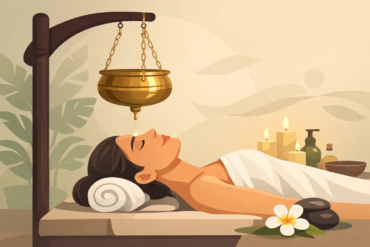
    Shirodhara is a traditional Ayurvedic therapy in which a steady stream of warm herbal oil is gently poured across the forehead for a period of time. The treatment is deeply calming in its nature and is usually given in a quiet, carefully held setting. It is not simply an oil treatment or a relaxation massage. In classical Ayurvedic practice, it is used with a therapeutic purpose and chosen according to the individual.

    The experience is often described as profoundly settling. The warmth, rhythm, and consistency of the oil can encourage the body to move out of a heightened stress response and into a more restful state. For some people, the effect is immediate. For others, the benefits develop over a course of treatment and with the support of broader lifestyle care.

    Shirodhara benefits for stress

    The main reason people seek Shirodhara for stress is simple – they want relief from a nervous system that feels overworked. That relief, however, can look different from person to person.

    For someone under work pressure, it may mean the mind feels less scattered and concentration improves. For another person, it may mean they finally sleep more soundly after weeks of waking through the night. Some notice a softer mood, less physical tension, or a reduced sense of internal agitation.

    From an Ayurvedic perspective, Shirodhara is often used when excess Vata or Pitta is contributing to stress patterns. Vata imbalance may present as anxiety, restlessness, overthinking, light sleep, or feeling ungrounded. Pitta imbalance may show up as irritability, frustration, intensity, or mental overdrive. The treatment approach may vary depending on which pattern is more dominant.

    A calming effect on the nervous system

    One of the most valued shirodhara benefits for stress is its calming influence on the nervous system. Many people live in a near-constant state of alertness without realising how much strain that places on the body. Even when the workday ends, the mind continues planning, replaying, and anticipating.

    Shirodhara creates the conditions for the body to slow down. The repetitive flow and warmth can be deeply soothing, which may help reduce the sense of hyperarousal that often accompanies chronic stress. This is one reason the therapy can feel so different from ordinary relaxation treatments. It is not only pleasant – it may support a shift in the way the body is holding stress.

    Better sleep and easier mental settling

    Stress and sleep often feed each other. A stressed mind struggles to settle, and poor sleep lowers resilience the next day. In clinic practice, many clients interested in Shirodhara are not only feeling stressed but also mentally tired and physically wired.

    When suited to the individual, Shirodhara may help improve sleep quality by calming mental activity before it becomes a nightly pattern. It may also help people who feel exhausted but cannot properly rest. That said, sleep concerns vary. If poor sleep is tied to pain, hormonal change, digestive disturbance, or a long-standing health issue, Shirodhara is often most effective when used as part of a broader Ayurvedic plan rather than in isolation.

    Relief from head, neck and shoulder tension

    Stress is frequently carried physically. Tight jaw muscles, heaviness in the head, neck stiffness, and shoulder tension are common signs that the body has been bracing for too long. While Shirodhara is not a substitute for all forms of physical treatment, it may help soften the overall stress pattern that contributes to that tension.

    Because the treatment is designed to soothe and quieten, some people notice that their body begins to release guardedness during or after a session. This can complement other supportive care such as Ayurvedic massage, yoga-based movement, breath practices, and lifestyle adjustments.

    Why the experience can feel so different from a spa treatment

    Shirodhara is sometimes misunderstood as a luxury wellness service. In a practitioner-led Ayurvedic setting, it is better understood as a therapeutic treatment selected with care. The difference matters.

    A personalised Ayurvedic approach considers your constitution, current imbalance, stress patterns, sleep, digestion, energy, and overall health picture. The choice of oil, the timing of treatment, and whether Shirodhara is suitable at all should be guided by assessment rather than trend.

    This is especially important because stress is not identical in every person. One person may need grounding and nourishment. Another may need cooling and mental quietening. Another may first need digestive support, routine changes, or herbal care before body therapies are likely to help.

    When Shirodhara may be helpful

    Shirodhara may be considered for people experiencing ongoing mental strain, nervous tension, light or disturbed sleep, emotional overstimulation, or a persistent feeling of not being able to switch off. It may also suit those who feel depleted after prolonged busyness and need support to re-establish a sense of steadiness.

    Still, there are times when it depends. If stress is severe, tied to acute mental health concerns, or accompanied by symptoms that need medical assessment, additional care is important. Ayurveda can be a valuable supportive system, but appropriate referral and integrated care matter. A responsible clinic will always consider the wider health picture.

    What to expect during treatment

    Most people find Shirodhara deeply restful, but it helps to arrive with realistic expectations. The treatment itself is gentle and quiet. Warm oil is streamed steadily onto the forehead in a controlled manner while you rest comfortably. Afterward, there is usually a period of settling before returning to normal activity.

    Some people feel immediately calm and clear. Others feel sleepy, deeply relaxed, or emotionally softened. Occasionally, when a person has been running on adrenaline for a long time, the contrast of slowing down can feel unfamiliar at first. This is not necessarily a negative sign, but it does reinforce why qualified guidance matters.

    Aftercare is also part of the process. A quieter day, warm food, hydration, and less stimulation may help the benefits settle more fully.

    Personalised care matters more than the treatment alone

    No Ayurvedic therapy works best as a one-size-fits-all answer. The strongest outcomes usually come when Shirodhara is part of an individualised treatment plan. That may include Ayurvedic consultation, herbal recommendations, meditation, yoga-based practices, dietary guidance, or supportive body therapies.

    For many adults managing stress, the real issue is not a lack of relaxation techniques. It is that their daily rhythm has moved too far away from what their body can sustain. A personalised approach helps identify what is driving the imbalance and what will realistically support change.

    In a practitioner-led clinic such as Herbal Ayurveda and Yoga Clinic, this individual assessment is central. The aim is not simply to help someone feel better for a day, but to support more lasting balance through tailored care.

    Is Shirodhara right for every stressed person?

    Not always. Shirodhara can be very supportive, but suitability depends on the person, their health status, and the nature of their symptoms. Some people benefit most from Shirodhara early in care. Others may need preliminary treatment first. In some cases, a different Ayurvedic therapy or consultation-led plan may be more appropriate.

    This is one of the strengths of traditional Ayurvedic practice. Rather than forcing every person into the same treatment, it asks what is actually needed. That kind of care is especially valuable for stress, because stress can wear many faces.

    If you are considering Shirodhara, it helps to think beyond the question of whether it is relaxing. The better question is whether it suits your current state, your constitution, and your broader health goals. When chosen thoughtfully, it can offer more than temporary relief. It can create a space where the body begins to remember how to rest again.

    Sometimes that is the first meaningful step – not doing more, but allowing the system enough calm to start repairing itself.

  • What Is Shirodhara Treatment?

    What Is Shirodhara Treatment?

    A busy mind often shows up in the body before we fully notice it. Sleep becomes lighter, concentration feels scattered, and the nervous system seems to stay switched on. If you have been asking what is shirodhara treatment, it helps to understand that this traditional Ayurvedic therapy is designed to calm that overstimulated state in a very specific way.

    Shirodhara is a classic Ayurvedic treatment in which a steady stream of warm herbal oil, or in some cases another suitable liquid, is gently poured over the forehead for a set period of time. The therapy is performed with care, in a quiet setting, and is traditionally used to support deep relaxation, mental calm, and balance in the body-mind system. While many people first encounter it through stress relief, its role in Ayurveda is broader than a simple relaxation treatment.

    What is shirodhara treatment in Ayurveda?

    In Ayurvedic practice, Shirodhara is not usually viewed as a one-size-fits-all wellness add-on. It is a purposeful therapy selected according to the individual, their current state of balance, and the practitioner’s assessment. The word itself is traditionally understood as relating to the head and a flowing stream, which reflects the way the treatment is administered.

    Ayurveda works from the principle that health depends on balance between body, mind, daily habits, digestion, sleep, and emotional state. When there is excess tension, mental agitation, poor rest, or a sense of internal dryness and depletion, therapies like Shirodhara may be considered as part of a broader plan. Depending on the person, it may be recommended on its own or alongside consultation, herbal support, diet and lifestyle guidance, yoga, meditation, or other Ayurvedic body treatments.

    That distinction matters. Shirodhara can feel deeply soothing, but in a practitioner-led clinic it is not simply about providing a pleasant experience. The intention is to support the person as a whole.

    How the treatment is performed

    During a Shirodhara session, you usually lie comfortably on a treatment table while warm oil is poured in a continuous, rhythmic stream across the forehead and scalp area. The temperature, pace, and duration are managed carefully. The treatment is designed to be stable and even, because that consistency is part of what makes it so settling.

    The oil used is not always the same for every client. In Ayurveda, the choice may depend on constitution, presenting symptoms, season, and the wider treatment goal. For some people, a nourishing herbal oil may be appropriate. For others, a different liquid medium or a modified approach may be more suitable. This is one reason assessment matters.

    A session may also include related therapies such as a gentle head, neck, or shoulder massage before or after the pouring of oil. In a clinical setting, these details are adjusted according to the person rather than delivered as a fixed spa sequence.

    Why people seek Shirodhara

    Many clients are drawn to Shirodhara because they feel mentally overextended. This can include stress from work, difficulty winding down at night, nervous tension, emotional fatigue, or a general sense of being ungrounded. Others seek it because they are already familiar with Ayurveda and want a traditional therapy that supports inner steadiness.

    From an Ayurvedic perspective, Shirodhara is often associated with calming excess movement and restlessness in the system. In plain terms, people often describe feeling quieter internally after treatment. Some notice better sleep, a softer sense of mental pressure, or a feeling that the body has shifted out of constant alertness.

    That said, responses vary. One person may feel immediate relief, while another notices a gradual benefit over several sessions. If stress has been building for months or years, the best results often come when the treatment is part of a more complete care plan rather than a single isolated appointment.

    What does Shirodhara feel like?

    People who have never had the treatment often assume it will feel unusual or messy. In practice, most find it surprisingly comfortable once they settle in. The warm stream across the forehead creates a repetitive, soothing sensation that can encourage the body to let go of tension. Some clients remain aware and simply feel deeply relaxed. Others drift into a meditative state between wakefulness and sleep.

    The experience is quiet rather than dramatic. It does not need to feel intense to be effective. In fact, a calm, steady response is usually the aim.

    Afterwards, many people report feeling clear, rested, and grounded. Because oils are used, there is usually some residual oil in the hair and scalp, so it is worth planning for a gentle finish to the day rather than rushing straight back into a demanding schedule.

    What is shirodhara treatment used for?

    In traditional Ayurvedic care, Shirodhara may be considered when there are signs of nervous system strain, mental overactivity, or difficulty settling the mind. It is commonly sought for support around stress, poor sleep, restlessness, tension, and fatigue linked with an overbusy lifestyle.

    It may also be used for people who feel emotionally depleted, mentally foggy, or disconnected from regular rhythms such as sleep and rest. For some, the value lies less in addressing one isolated complaint and more in creating the conditions for recovery. When the mind settles, it is often easier to improve sleep habits, digestion, mood, and overall resilience.

    Still, Ayurveda does not treat every person with the same protocol. If someone is dealing with symptoms that have a medical cause, or if they have scalp conditions, acute illness, or sensitivities to oils, the treatment may need to be postponed, modified, or avoided. This is where a qualified practitioner’s judgement is essential.

    What to expect before and after a session

    Before treatment, a proper consultation helps determine whether Shirodhara is appropriate. This may include discussion of sleep, stress levels, energy, digestion, medical history, and current lifestyle patterns. In a personalised clinic setting, the treatment is selected because it suits the person, not because it happens to be popular.

    On the day, it is generally best to arrive without rushing and to avoid a heavy meal immediately beforehand. After the session, you may be advised to rest, stay warm, eat simply, and allow the system time to integrate the treatment. For many clients, the benefits are strongest when the rest of the day is kept quiet.

    It is also helpful to have realistic expectations. One treatment can be valuable, particularly when someone needs immediate calming support. But where stress is chronic or the imbalance is longstanding, a series of sessions may be more appropriate.

    Is Shirodhara just a spa treatment?

    This is a common question, especially because Shirodhara is sometimes marketed in wellness spaces as a luxury relaxation experience. While it can certainly be enjoyable, that description is incomplete.

    In traditional Ayurvedic care, Shirodhara is a therapeutic procedure with a specific purpose. The oils, timing, frequency, and overall treatment context matter. So does practitioner training. A qualified Ayurvedic practitioner considers whether the therapy is appropriate for the individual and how it fits within a wider plan for health and balance.

    That is one of the key differences between a practitioner-led clinic and a generic wellness menu. The treatment may look simple from the outside, but the reasoning behind it should be personalised.

    Who may benefit most?

    Shirodhara often appeals to adults who are carrying a high mental load – working professionals, carers, people with irregular routines, and those who feel that stress has become their normal setting. It can also be a suitable option for individuals who are already engaged in yoga, meditation, or Ayurvedic lifestyle care and want additional support for calm and restoration.

    At Herbal Ayurveda and Yoga Clinic, this kind of treatment sits within a broader model of personalised Ayurvedic care. That means the focus is not only on the session itself, but on understanding what your system may be asking for.

    If you have been wondering what is shirodhara treatment, the simplest answer is that it is a traditional Ayurvedic therapy that uses a steady stream of warm liquid over the forehead to support deep calm. The fuller answer is that its value depends on how thoughtfully it is chosen, how skilfully it is delivered, and whether it is matched to the person receiving it.

    Sometimes the most helpful treatment is not the strongest or most complicated one. It is the one that gives the body and mind enough quiet to begin rebalancing again.

  • Ayurvedic Massage for Stress Relief

    Ayurvedic Massage for Stress Relief

    Stress rarely arrives all at once. More often, it builds quietly – tight shoulders after long hours at work, restless sleep, a busy mind that does not properly switch off, digestion that feels unsettled, and a general sense of being out of balance. Ayurvedic massage for stress relief is valued because it addresses this pattern as a whole, rather than treating tension as a problem isolated to one part of the body.

    In Ayurveda, stress is not viewed only as a mental or emotional issue. It can affect sleep, energy, digestion, mood, muscular tension and daily resilience. This is why traditional Ayurvedic body therapies are used with a broader purpose in mind: to calm the nervous system, nourish the tissues, improve circulation and support the body’s natural capacity to return to balance. For many people, that approach feels very different from a standard relaxation massage.

    What makes Ayurvedic massage different?

    Ayurvedic massage is a traditional therapeutic treatment based on the principles of Ayurveda, the classical healing system of India. The method typically uses warm herbal oils, specific massage techniques and an individualised approach guided by the person’s constitution, current state of imbalance and treatment goal.

    That individualisation matters. Two people may both say they feel stressed, yet present very differently. One may feel anxious, scattered and unable to settle. Another may feel irritable, overheated and mentally overdriven. A third may feel flat, heavy and exhausted. In Ayurvedic thinking, these are not identical patterns, so they may not benefit from exactly the same treatment style or oil selection.

    This is one reason a practitioner-led clinic can offer something more considered than a one-size-fits-all spa menu. The aim is not simply to provide pleasant touch, although comfort is certainly part of the experience. The aim is to apply therapy in a way that supports the person in front of you.

    How Ayurvedic massage for stress relief works

    Ayurvedic massage for stress relief works through several overlapping effects. The first is the obvious one: skilled, rhythmic touch can help reduce muscular tightness and invite the body out of a guarded state. When the body softens, the mind often follows.

    The second effect comes from the use of warm oil. In Ayurveda, oil is not only a lubricant. It is used therapeutically to soothe dryness, ground nervous agitation and nourish the body. For clients who feel depleted, overstimulated or run down, this can be especially supportive.

    There is also a sensory effect that should not be underestimated. Warmth, steady rhythm, a quiet treatment setting and focused practitioner attention can help interrupt the cycle of constant mental activation. Many people spend much of the day responding – to work demands, screens, notifications, family needs and internal pressure. A well-delivered Ayurvedic treatment creates a rare period in which the system can stop bracing.

    From an Ayurvedic perspective, stress often aggravates Vata qualities such as dryness, movement, irregularity and nervous overstimulation. In practical terms, this may show up as anxious thinking, light sleep, restlessness, variable digestion, fatigue and body aches. In these cases, warm oil massage is often used to bring steadiness and calm. But it depends on the individual. If heat, inflammation or irritation are more prominent, treatment choices may be adjusted accordingly.

    The role of oils, technique and assessment

    A meaningful Ayurvedic treatment begins with assessment. Rather than assuming every stressed client needs the same routine, the practitioner considers factors such as body type, sleep, energy, digestion, emotional state, current symptoms and lifestyle patterns. This helps shape the treatment.

    The oils selected may differ according to need. Some herbal oils are traditionally used for calming and grounding, while others may be chosen for muscular stiffness, fatigue or constitutional support. The temperature of the oil, the pressure used and the pace of the massage can also be adapted.

    Technique matters as much as oil. For someone who feels wired and unable to slow down, broad, rhythmic strokes may help settle the system. For a person carrying significant physical tension, more focused work may be included. For another client, the most helpful treatment may combine body massage with therapies that emphasise deep mental calm, such as Shirodhara. This is where practitioner judgement becomes important. Stress relief is not always about doing more. Sometimes it is about choosing the right level of therapy for a body that is already overloaded.

    Benefits people commonly notice

    The immediate appeal of Ayurvedic massage is that people often feel calmer after treatment, but the benefits can extend beyond that first sense of relief. Some clients notice improved sleep, less muscular tension, quieter thoughts and a greater sense of emotional steadiness. Others report feeling more grounded, especially if stress has left them feeling scattered or disconnected from their body.

    There can also be secondary benefits. When stress reduces, digestion may improve, breathing may become easier and energy may feel more stable. This does not mean one massage solves every stress-related issue. If someone is under sustained pressure, sleeping poorly and running on caffeine and adrenaline, treatment works best as part of a broader plan. Ayurveda has always taken that wider view.

    It is also worth being realistic. Some people feel deeply relaxed straight away. Others take a session or two to settle, especially if they are very tense or unaccustomed to slowing down. The body does not always switch from high alert to calm on command. Gentle consistency often matters more than intensity.

    When a personalised approach matters most

    Stress can look deceptively simple from the outside. A person may book a massage because they feel tense, but the underlying picture may include burnout, irregular eating, poor sleep, digestive disturbance, emotional strain or long periods of mental overwork. If those patterns are not recognised, treatment may feel pleasant without being especially effective.

    This is where a personalised Ayurvedic approach becomes useful. A practitioner can look at what is driving the stress response and whether body therapy should be paired with lifestyle guidance, herbal support, breathing practices or simple routines that encourage recovery between appointments.

    At Herbal Ayurveda and Yoga Clinic, this practitioner-led model is central to care. Rather than treating massage as an isolated service, the focus is on the person as a whole. For clients seeking natural support for stress, that can be reassuring. It means the treatment is not only about the hour on the table, but about how to create better balance in daily life as well.

    What to expect from Ayurvedic massage for stress relief

    For those new to Ayurveda, the experience is usually both therapeutic and deeply settling. Treatment commonly involves warm herbal oil applied across the body using structured massage techniques. Depending on the treatment style and your needs, attention may be given to the scalp, neck, shoulders, limbs, back and feet.

    You should expect the practitioner to ask relevant questions before treatment, particularly if the session is part of a broader Ayurvedic consultation. This may include your current stress levels, sleep quality, digestion, work patterns and general health. These details help guide treatment choices.

    Afterwards, many people feel calm, heavy in a pleasant way, or ready for rest. It is often wise to keep the remainder of the day quiet where possible. A rushed return to emails, traffic and errands can undo some of the settling effect. Hydration, warm food and a lighter schedule tend to support a better response.

    Is it right for everyone?

    Ayurvedic massage can be very supportive for stress, but not every approach suits every person at every time. If someone is acutely unwell, has certain medical conditions, a fever, skin irritation, injury or other contraindications, treatment may need to be postponed or modified. Pregnancy, chronic health issues and current medication use should also be discussed with the practitioner.

    There is also the question of preference. Some people love oil-based therapies immediately. Others need time to become comfortable with a slower, more inward treatment style. That is normal. Effective care should feel appropriate, not imposed.

    For people living with persistent stress, anxiety or exhaustion, the best results often come when massage is part of a broader supportive plan. That may include consultation, yoga-based practices, meditation or other traditional therapies chosen according to the individual. The value of Ayurveda lies in this integration.

    A well-timed treatment can do more than provide a brief exhale. It can remind the body what calm feels like again, which is often the first step towards restoring balance in a more lasting way.

  • Herbs and Natural Remedies for Anxiety

    Herbs and Natural Remedies for Anxiety

    A mind that will not settle often shows up long before a person says, “I feel anxious.” It can look like restless sleep, a tight chest before meetings, shallow breathing, irritability, racing thoughts, digestive upset, or a sense of being constantly “on”. When people begin looking into herbs and natural remedies for anxiety, they are often seeking something gentler than a quick fix. They want support that respects the whole person, not just the symptom.

    From an Ayurvedic perspective, anxiety is rarely viewed as one isolated problem. It is more often a sign that the system is under strain and has moved out of balance. That may involve the nervous system, sleep patterns, digestion, overstimulation, irregular routines, emotional load, and the pace of modern working life. Herbal support can play a valuable role, but it works best when it is part of a broader, personalised plan.

    How herbs and natural remedies for anxiety may help

    Natural support for anxiety is not simply about taking a herb and waiting to feel different. The more useful question is what the body and mind are asking for. In some people, the pattern is overactivity and nervous tension. In others, it is exhaustion after long periods of stress. Some feel physically shaky and unsettled, while others carry their anxiety as poor concentration, digestive discomfort, or sleep disruption.

    This matters because herbs have different actions. Some are traditionally used to calm and nourish the nervous system. Others support sleep, mental clarity, or resilience under stress. Some remedies are warming and grounding, while others are more cooling and settling. What helps one person may not suit another, particularly if there are existing health conditions, medications, pregnancy, or a sensitive constitution to consider.

    In clinic practice, a careful assessment is always more useful than a one-size-fits-all recommendation. Anxiety can sit alongside burnout, low mood, hormonal shifts, trauma, digestive disturbance, or chronic fatigue. In those cases, a personalised approach is safer and usually more effective.

    Ayurvedic understanding of anxiety

    Ayurveda often associates anxiety with an aggravated Vata pattern. Vata is linked with movement, the nervous system, the breath, circulation, and mental activity. When Vata becomes disturbed, a person may feel ungrounded, fearful, overstimulated, dry, depleted, or unable to switch off.

    This does not mean every anxious person has the same presentation. One person may be light sleeping, forgetful, and physically tense. Another may feel scattered and overwhelmed by noise, screens, deadlines, and irregular meals. For both, the aim is not simply sedation. The aim is to restore steadiness.

    That is why Ayurvedic care often pairs herbs with simple, regulating supports such as warm meals, regular sleep times, breathing practices, meditation, and body therapies. The herb is only one part of the treatment picture.

    Common herbs used for anxious tension

    Ashwagandha is one of the better known Ayurvedic herbs for stress-related depletion and nervous system support. Traditionally, it is used where a person feels worn down, mentally overextended, and less resilient than usual. It may be more suitable for someone whose anxiety is accompanied by fatigue or poor recovery from ongoing stress rather than acute agitation alone.

    Brahmi is traditionally valued for supporting mental clarity, focus, and a calmer state of mind. It is often considered where there is overthinking, mental fatigue, or difficulty settling the mind. Some people respond well to it when anxiety is linked with constant cognitive activity.

    Jatamansi has a long traditional history of use in calming the mind and supporting sleep. It is sometimes considered where anxiety is accompanied by irritability, restlessness, or disturbed sleep, though suitability depends on the individual.

    Outside Ayurveda, herbs such as passionflower, chamomile, lemon balm, and lavender are commonly used for mild nervous tension and sleep support. These can be useful, but natural does not always mean universally safe. Even gentle herbs may interact with medication or be unsuitable in some situations.

    Natural remedies beyond herbs

    For many people, the most effective natural remedies for anxiety are not dramatic. They are steady, repeated practices that help the body relearn safety and rhythm. When the nervous system has been overstimulated for weeks or months, simple regulation matters.

    Breathwork is often one of the quickest places to begin. Slow, even breathing, especially with a longer exhalation, can help settle the stress response. This does not need to be complicated. A few minutes of quiet nasal breathing, done consistently, is often more useful than intense techniques performed irregularly.

    Yoga can also help, provided the style suits the person’s current state. Someone already feeling wired and depleted may not benefit from highly stimulating classes. Grounding postures, supported rest, and gentle movement are often more appropriate when anxiety is linked with exhaustion and overstimulation.

    Meditation can be helpful, but this is another area where it depends. Some people find silence deeply settling. Others become more aware of racing thoughts and feel worse if they are pushed into long sessions too soon. Guided practices, yoga nidra, or short body-based meditation may be a better starting point.

    Warm oil massage, including traditional Ayurvedic approaches, is often deeply regulating for Vata-type imbalance. Touch, warmth, and routine can help calm a system that feels scattered or hyper-alert. In some cases, therapies such as Shirodhara may be considered as part of a broader treatment plan, particularly when the person feels mentally overactive and unable to rest.

    Food, routine and the anxious mind

    People are often surprised by how much anxiety worsens when meals are skipped, sleep becomes irregular, or stimulants increase. Coffee, alcohol, erratic eating, late nights, and constant screen exposure can all intensify an already unsettled system.

    Ayurveda places strong emphasis on regularity because the nervous system responds to rhythm. Warm, nourishing meals taken at consistent times can be more supportive than cold, rushed food eaten while multitasking. A calmer evening routine, less device use before bed, and a consistent sleep window often make herbal support more effective.

    This is not about perfection. It is about reducing the daily inputs that keep the body in a state of vigilance.

    When personalised care matters most

    There is a point where self-directed support may not be enough. If anxiety is persistent, worsening, affecting work or relationships, or accompanied by panic, insomnia, low mood, digestive problems, or physical symptoms, a more careful assessment is warranted.

    This is especially important if a person is taking prescription medication, has a diagnosed mental health condition, is pregnant, or has multiple health concerns occurring at once. Herbal medicine should be selected with the same care as any other treatment approach.

    At a practitioner-led clinic such as Herbal Ayurveda and Yoga Clinic, the value lies in understanding the person’s overall pattern rather than simply naming a herb. That includes constitution, lifestyle, digestion, sleep, emotional history, stress load, and current treatment. A tailored plan may include herbal recommendations, yoga-based support, meditation, body therapies, and practical lifestyle adjustments that fit real life.

    What to expect from herbs and natural remedies for anxiety

    A balanced expectation helps. Natural care is not always immediate, and it is not meant to suppress every feeling of stress. Anxiety can sometimes be an appropriate signal that too much is being carried for too long. Support should help improve resilience, steadiness, sleep, and capacity to cope, while also addressing the causes that keep the system unsettled.

    Some people notice benefit quickly from breathwork, massage, or improved routine. Herbal support may take longer, especially where depletion has built up over time. In many cases, the best results come from combining a suitable herb with consistent daily practices rather than relying on a single remedy.

    There is also no virtue in trying to manage severe anxiety alone just because a natural approach feels appealing. Integrative care can include Ayurvedic and natural support alongside medical care when needed. The safest path is the one that takes your symptoms seriously.

    If you are considering herbs and natural remedies for anxiety, begin with curiosity rather than guesswork. Notice your pattern. Is it restlessness, fatigue, poor sleep, digestive upset, overwhelm, or all of the above? The more clearly the pattern is understood, the more useful the support can be. Calm rarely comes from forcing the body to cope harder. More often, it comes from helping it feel supported enough to settle.

  • Herbal and Natural Remedies That Fit You

    Herbal and Natural Remedies That Fit You

    One person reaches for ginger tea after a heavy meal. Another finds the same remedy too warming and uncomfortable. This is where herbal and natural remedies are often misunderstood – not because they lack value, but because they are most effective when matched to the individual, not copied from a general wellness trend.

    At an Ayurvedic clinic, remedies are not chosen simply because they are popular or labelled natural. They are selected according to the person in front of the practitioner – their digestion, stress levels, sleep, energy, habits, constitution and current imbalances. That difference matters. It shifts the focus from short-term relief to thoughtful, whole-person support.

    Why herbal and natural remedies need a personalised approach

    Natural does not always mean suitable for everyone. A herb that feels calming for one person may feel too heavy for another. A cleansing practice that helps in one season may leave someone depleted in another. This is why personalised assessment sits at the heart of traditional Ayurvedic care.

    In Ayurveda, symptoms are rarely viewed in isolation. A busy professional dealing with poor sleep, afternoon fatigue and bloating may not need three unrelated fixes. They may need support for an underlying pattern involving stress, irregular meals, overstimulation and weakened digestion. Herbal recommendations can play an important role here, but they work best alongside practical changes in routine, food, rest and nervous system regulation.

    This approach can feel slower than buying a product off the shelf, yet it is often more sustainable. Rather than masking discomfort, it aims to understand why the imbalance developed in the first place.

    Herbal and natural remedies in Ayurvedic care

    Ayurveda uses herbs as one part of a broader therapeutic system. That system may also include dietary advice, daily routines, breathing practices, yoga-based support, meditation and traditional body therapies. The herb is not the whole treatment. It is one element within a wider plan designed to restore balance.

    For example, a person with stress-related tension may benefit from calming herbal support, but if they are also sleeping late, skipping meals and carrying constant mental strain, herbs alone may not be enough. A more useful plan might include gentle evening practices, regular meal timing, meditation and selected therapies that help settle the nervous system.

    This is one reason practitioner-led care matters. It allows recommendations to be adjusted according to the person’s response, rather than assuming the first remedy will suit indefinitely.

    Common areas where natural support may help

    Many people seek herbal and natural remedies when they want support that feels gentler and more aligned with long-term wellbeing. In clinical practice, common concerns include stress, poor sleep, digestive discomfort, low energy, muscular tension and a general feeling of being out of balance.

    Stress is a good example of where nuance is needed. Some people present with agitation, racing thoughts and difficulty winding down. Others feel flat, depleted and mentally foggy after prolonged stress. These are not quite the same picture, even if both describe themselves as burnt out. The type of support required may differ.

    Digestive issues are similarly varied. Bloating, irregular appetite, heaviness after meals or sluggish elimination can all fall under the broad idea of poor digestion, but they do not always call for the same herbal strategy. In Ayurveda, the quality, timing and pattern of symptoms help guide recommendations.

    What to expect from a practitioner-led assessment

    A proper consultation for herbal and natural remedies should go beyond a quick symptom checklist. It should consider your health history, daily routine, appetite, bowel habits, sleep, emotional state, work patterns and the ways your body tends to respond under pressure.

    This broader picture helps identify what may be aggravating your system and what kinds of support are likely to be appropriate. It also helps avoid overcomplicating matters. Sometimes a person arrives expecting a long list of supplements, when a simpler, more effective plan may involve a few carefully chosen interventions and consistent lifestyle support.

    At Herbal Ayurveda and Yoga Clinic, this whole-person perspective is central to care. The aim is not to offer generic wellness advice, but to provide recommendations that reflect each individual’s constitution, current imbalance and capacity for change.

    Safety, suitability and realistic expectations

    Natural therapies still require care. Herbs can interact with medications, may not be appropriate during pregnancy, and may not suit every health condition. Quality, dose and duration also matter. Self-prescribing from social media or general online advice can lead to disappointing results at best and unwanted effects at worst.

    It is also helpful to be realistic. Herbal support is not a substitute for emergency care, and it is not always the fastest option for acute problems. Where it can be especially valuable is in supporting functional concerns, improving day-to-day balance and complementing a broader care plan.

    For ongoing issues, consistency usually matters more than intensity. A remedy taken irregularly, alongside an exhausting routine, may do very little. A modest but well-matched plan followed steadily often gives clearer results.

    The role of yoga, meditation and body therapies

    One of the strengths of an Ayurvedic setting is that care does not begin and end with herbs. Many people need nervous system support just as much as they need digestive or physical support. This is where yoga-based practices, meditation and traditional therapies can be deeply useful.

    A person experiencing chronic tension may respond well to a combination of herbal care and body treatments that encourage rest and circulation. Someone with mental overactivity may benefit from guided breathing practices, structured routines and therapies designed to settle the mind. Shirodhara, for instance, is valued in traditional practice for its calming effect and may be considered where stress and mental agitation are prominent.

    This integrated model respects the fact that wellbeing is rarely built through one measure alone. It is shaped through repeated, supportive inputs that help the body and mind return to a steadier state.

    Choosing herbal and natural remedies wisely

    If you are considering natural care, it helps to ask a few practical questions. Is the recommendation tailored to your symptoms and constitution, or is it a broad trend? Is there a qualified practitioner involved? Are other aspects of your lifestyle being considered, or only the product itself?

    These questions are not about making natural care complicated. They are about making it more useful. The best remedies are often not the most fashionable. They are the ones that make sense for your current state, your daily life and your long-term health goals.

    For some people, that may mean beginning with digestion and routine before moving to stronger herbal support. For others, stress reduction may need attention first because the nervous system is driving many of the symptoms. It depends on the person. Good care recognises that timing matters.

    When simple is better

    There is a tendency in wellness culture to pile on teas, powders, tonics and rituals all at once. In practice, this can become confusing, expensive and difficult to maintain. A personalised approach is often simpler. It may involve one or two appropriate herbal supports, a few manageable routine changes and regular review.

    This can be especially reassuring for people who are already busy and stretched. You do not need a perfect lifestyle to benefit from natural care. You need a realistic plan that can be followed consistently and adjusted as your needs change.

    A steadier way to support wellbeing

    Herbal and natural remedies can offer meaningful support, particularly when they are used with care, experience and a clear understanding of the individual. Their real value is not in being trendy or universally applicable. It is in their ability to be tailored – to meet a person where they are and support balance in a way that feels grounded, practical and sustainable.

    If your body has been asking for attention through stress, poor sleep, digestive discomfort or ongoing fatigue, the most helpful next step may not be another generic remedy. It may be a calmer, more personalised look at what your system is actually asking for.

  • What to Expect From an Ayurvedic Diet Consultation

    What to Expect From an Ayurvedic Diet Consultation

    A well-planned ayurvedic diet consultation is not about being handed a rigid meal plan and sent on your way. It begins with a more personal question – how are you living, eating, sleeping and coping day to day, and what patterns might be affecting your balance? For many people, that shift alone feels different from standard nutrition advice. The focus is not only on what is on the plate, but on the person eating it.

    For adults managing stress, inconsistent routines, digestive discomfort or a general sense of feeling out of step, that individual approach matters. In Ayurveda, diet is not separated from lifestyle, energy, digestion or emotional state. Food is one part of a broader picture, and the consultation is designed to understand that picture carefully.

    What an ayurvedic diet consultation looks at

    An ayurvedic diet consultation usually starts with a detailed discussion rather than a quick checklist. A practitioner will ask about appetite, digestion, food preferences, cravings, bowel habits, sleep, stress levels, daily routine and current health concerns. There may also be observations related to body type, energy patterns and the way symptoms tend to show up over time.

    This is because Ayurveda works from the principle that each person has a distinct constitution and a current state of imbalance that may not be identical to anyone else’s. Two people can both say they feel tired after lunch, for example, but the reasons behind that fatigue may be quite different. One may be skipping breakfast and eating heavily late at night. Another may be under sustained stress and experiencing weakened digestion. The dietary advice should reflect those differences.

    Rather than treating food as a universal formula, Ayurveda considers qualities such as heaviness, dryness, warmth, coolness and sharpness. These qualities are matched against the individual. If someone feels depleted, dry, scattered or irregular, the guidance may be very different from someone who feels heavy, sluggish or overheated. That is where the consultation becomes genuinely personalised.

    Why personalised dietary advice matters

    General healthy eating advice has its place. Most people benefit from regular meals, fresh ingredients and less processed food. But broad advice can fall short when someone is dealing with specific digestive patterns, fluctuating appetite, stress-related eating or long-standing imbalance.

    A personalised consultation helps sort out what is actually useful for you. Some people do well with more raw foods, while others feel bloated and uncomfortable from them. Some benefit from lighter evening meals, while others may need more nourishment earlier in the day to avoid cravings later on. Even foods commonly considered healthy are not always the right fit in every season, stage of life or digestive state.

    This is one of the strengths of Ayurveda. It respects the fact that wellbeing is rarely one-size-fits-all. It also avoids the pressure of dietary trends that can make people feel they are getting it wrong if a popular approach does not suit them.

    What happens during the consultation

    A proper ayurvedic diet consultation is usually conversational, thorough and practical. The aim is to understand your current habits without judgement and then offer guidance that is realistic enough to follow in daily life.

    You may discuss the timing of your meals, how hungry you feel at different times, whether you experience bloating or heaviness, how stress affects your eating, and whether your routine changes across the working week. A practitioner may also explore how food interacts with sleep, mood and energy. This matters because digestion in Ayurveda is not viewed in isolation. It is influenced by pace of life, mental strain, climate and routine.

    From there, recommendations are tailored. That may include advice on meal timing, food combinations, cooking methods, portion balance, seasonal eating or simple changes to improve digestive comfort. In some cases, broader lifestyle support may be suggested alongside dietary changes, because food alone may not resolve the issue if the main driver is irregular sleep, overwork or nervous system strain.

    Ayurvedic diet consultation and digestive health

    Digestive wellbeing is one of the most common reasons people seek this kind of support. They may not have a clear diagnosis, but they know something feels off – bloating after meals, sluggish digestion, irregular appetite, constipation, heaviness, or a feeling that food is not being processed well.

    Ayurveda places digestion at the centre of health. When digestion is steady, food can nourish the body more effectively. When digestion is impaired, even good food may not feel beneficial. This does not mean every issue can be solved with dietary adjustment alone. Some symptoms require medical assessment, and that should never be overlooked. But where functional digestive discomfort is linked to habits, stress and food patterns, personalised guidance can be valuable.

    The trade-off is that Ayurvedic support is rarely about instant fixes. It often asks for gradual change and observation. That can feel slower than following a strict plan, but it is usually more sustainable. A consultation helps identify which changes are most worth making first, rather than overhauling everything at once.

    Food is only one part of the picture

    One reason people find Ayurvedic care supportive is that it recognises the links between food, routine and mental state. Someone may be eating well on paper but still feel unsettled because meals are rushed, sleep is poor and stress is constant. In that situation, changing ingredients alone may not be enough.

    This whole-person view is especially relevant for working adults whose health concerns are shaped by modern routines – missed lunches, long hours, late dinners, screen-heavy evenings and chronic overstimulation. An ayurvedic diet consultation can help bring those patterns into focus and connect food choices with the wider rhythm of the day.

    That is also why recommendations are often modest but meaningful. Eating at more regular times, choosing warmer cooked meals when digestion is weak, reducing incompatible habits, or supporting calmer mealtimes can have more effect than chasing perfect nutrition. In a practitioner-led setting such as Herbal Ayurveda and Yoga Clinic, this kind of tailored support sits within a broader therapeutic approach rather than a narrow food-only model.

    What kind of advice you might receive

    The advice given in an ayurvedic diet consultation depends on the person, but it is generally practical rather than extreme. You may be guided towards foods that are easier for you to digest, encouraged to adjust meal timing, or advised to change how meals are prepared. Warm, freshly cooked food may be preferred in some cases, while in others the focus may be on lightness, moderation or reducing excess heat.

    You might also receive guidance around everyday habits that influence digestion, such as eating while distracted, snacking too frequently, overeating at night or skipping meals earlier in the day. Sometimes the most useful recommendation is not a complicated food rule but a return to consistency.

    Importantly, Ayurvedic dietary advice should take account of your health history, current treatment and capacity for change. If someone has a demanding job, a family schedule and limited time to cook, the best plan is not the most ideal one on paper. It is the one they can actually maintain. Good care respects that.

    Is an ayurvedic diet consultation right for everyone?

    It depends on what you are looking for. If you want a generic calorie target or a high-performance sports nutrition plan, Ayurveda may not be the best fit on its own. If you are looking for personalised guidance that considers digestion, routine, stress and long-term balance, it can be highly relevant.

    It may particularly suit people who feel that standard advice has not fully addressed the pattern behind their symptoms. It can also be helpful for those who prefer a more natural and preventive approach, provided expectations are realistic. Ayurveda is not a replacement for urgent medical care, and serious symptoms should always be properly assessed. The value of consultation lies in thoughtful support, pattern recognition and individualised recommendations.

    A good consultation leaves you with something clearer than a list of approved foods. It gives you a better understanding of how your own body responds, what may be contributing to imbalance, and which changes are most worth your attention right now.

    When food advice is aligned with the individual, it tends to feel calmer, more practical and more sustainable. That is often where meaningful change begins – not with restriction, but with understanding.

  • What Is Ayurvedic Lifestyle?

    What Is Ayurvedic Lifestyle?

    A person can eat well, exercise regularly and still feel off balance. The reason is often not a lack of effort, but a mismatch between daily habits and the body’s natural needs. That is where the question, what is ayurvedic lifestyle, becomes genuinely useful. In Ayurveda, health is not built from one healthy choice here and there. It is shaped by the rhythm of everyday life.

    What is ayurvedic lifestyle in simple terms?

    An Ayurvedic lifestyle is a way of living that aims to keep the body, mind and emotions in balance through personalised daily routines, food choices, rest, movement and self-care. Rather than following the same rules for everyone, Ayurveda looks at the individual. Your digestion, energy, sleep, stress response, climate, age and constitution all matter.

    This is one of the main differences between Ayurveda and more standard wellness advice. A generic plan may tell everyone to wake at the same hour, eat the same breakfast and follow the same fitness routine. Ayurveda takes a more clinical and personalised view. What helps one person feel grounded and energised may leave another person feeling tired, overstimulated or uncomfortable.

    At its core, an Ayurvedic lifestyle supports balance through consistency. Small daily actions are often considered more valuable than intense short-term efforts. The focus is not perfection. It is steadiness.

    The foundation of Ayurveda – balance, not extremes

    Ayurveda is a traditional system of medicine with a long history of observing how natural rhythms affect human health. It teaches that we are influenced by qualities such as heat, cold, dryness, heaviness, lightness and movement. These qualities show up in the body and mind, and they also show up in food, weather, work patterns and sleep habits.

    When life becomes too fast, irregular or stimulating, some people begin to feel anxious, restless, bloated or unable to sleep deeply. When life becomes too heavy or stagnant, others may feel sluggish, foggy or emotionally flat. Ayurveda responds by introducing opposite qualities to restore balance. If there is too much dryness, more nourishment may help. If there is too much heat, cooling and calming habits may be needed.

    This is why Ayurvedic care is rarely one-size-fits-all. Even two people with similar symptoms may be guided differently, depending on the underlying pattern.

    Understanding constitution and imbalance

    A central part of Ayurvedic lifestyle guidance is the idea of individual constitution, often described through the doshas – Vata, Pitta and Kapha. These are not medical diagnoses. They are functional patterns that help explain tendencies in the body and mind.

    Vata is linked with movement and is often associated with lightness, dryness and variability. People with stronger Vata qualities may be creative and quick-thinking, but may also be more prone to feeling scattered, cold or irregular in appetite and sleep when out of balance.

    Pitta is linked with transformation and heat. It often shows up as drive, focus and strong digestion, but when aggravated it may contribute to irritability, excess heat or intensity.

    Kapha is linked with structure and stability. It can support calmness, endurance and steadiness, though excess Kapha may feel heavy, slow or congested.

    In practice, an Ayurvedic lifestyle is not about labelling yourself and then following internet advice forever. It is about understanding your tendencies and noticing when they shift. Your ideal routine in summer may not suit you in winter. Your needs during a demanding work period may differ from your needs during recovery or rest.

    Daily rhythm matters more than people realise

    One of the most practical parts of an Ayurvedic lifestyle is daily routine. Ayurveda places strong importance on regularity because the nervous system, digestion and sleep all respond well to rhythm.

    That may mean waking and sleeping at reasonably consistent times, eating meals without rushing, creating space between work and rest, and reducing overstimulation late in the evening. For many adults, especially those juggling work stress and family responsibilities, these simple changes are more powerful than they first appear.

    Ayurveda also encourages living in step with natural cycles. Heavier meals are often better digested around the middle of the day, when digestive strength is strongest. Late nights, skipped meals and irregular eating can gradually disturb balance, particularly for people already dealing with stress, fatigue or digestive discomfort.

    A proper Ayurvedic routine does not need to be rigid. It should be realistic. If a routine is so strict that it creates more pressure, it stops being therapeutic.

    Food in an Ayurvedic lifestyle

    Food is central to Ayurveda, but not in the modern diet culture sense. The goal is not calorie obsession or trendy restriction. Ayurvedic nutrition is more concerned with digestion, suitability and how food makes you feel over time.

    A person following an Ayurvedic lifestyle may be guided to eat warm, freshly prepared meals, favour regular meal times, and choose foods that support their current state of balance. For one person, that may mean more grounding and nourishing meals. For another, lighter and cooling foods may be more appropriate.

    Digestion is considered especially important. Even good-quality food may not support health if digestion is weak or inconsistent. Symptoms such as bloating, heaviness, irregular appetite or tiredness after meals are not brushed aside. They are viewed as useful signs that the body needs attention.

    This is where personalised guidance matters. A raw salad may suit one person in warm weather but worsen another person’s bloating and coldness. Herbal support, meal timing and cooking methods can all be adjusted accordingly.

    Lifestyle extends beyond diet

    People sometimes reduce Ayurveda to food charts, but an Ayurvedic lifestyle is broader than that. It includes how you move, how you rest, how you manage stress, and how you care for your senses and nervous system.

    Yoga, breathing practices and meditation often sit naturally within this framework because they support regulation rather than just fitness. Gentle movement can help stagnation. Slower breathing can settle overstimulation. Restorative practices may be more beneficial than intense training when a person is already depleted.

    Traditional therapies can also play a role. Abhyanga, or Ayurvedic oil massage, is valued for its calming and nourishing effects, particularly when dryness, tension and stress are present. Shirodhara is often chosen when the mind feels overactive or deeply fatigued. These are not luxury add-ons in the Ayurvedic view. They are therapeutic tools used according to the person’s needs.

    What an Ayurvedic lifestyle is not

    It is helpful to clear up a few misconceptions. An Ayurvedic lifestyle is not a rigid set of spiritual rules, and it is not only for people who live an alternative or highly disciplined life. It can be adapted for working professionals, parents, shift workers and people simply trying to feel better in their bodies.

    It is also not about self-diagnosing from social media. Ayurveda is nuanced. A person may think they need detoxification when they actually need nourishment, rest and regular meals. Another may assume fatigue means they should slow down, when in fact they may benefit from lighter food, movement and a more structured routine.

    This is one reason practitioner-led care can be valuable. Proper Ayurvedic guidance looks at the whole pattern rather than isolated symptoms.

    How to begin an ayurvedic lifestyle safely

    The best place to start is with observation, not overhaul. Notice your appetite, energy, sleep, mood and digestion across the day. Look at whether your routine supports you or keeps pushing you further out of balance.

    From there, simple changes are often enough to begin. Eating meals at regular times, reducing late-night stimulation, choosing more freshly prepared food, and setting aside even a short period for quiet breathing or stretching can create meaningful shifts.

    If you want a more precise approach, an Ayurvedic consultation can help identify your constitution, current imbalances and the most suitable next steps. At a practitioner-led clinic such as Herbal Ayurveda and Yoga Clinic, that process may include lifestyle guidance, herbal recommendations, yoga-based support and traditional therapies tailored to the individual.

    The most effective Ayurvedic lifestyle is the one that is sustainable for you. Not impressive. Not extreme. Just appropriate, steady and responsive to how your body actually feels.

    Why people are turning to Ayurveda now

    Many people are not looking for another wellness trend. They are looking for a calmer, more intelligent way to care for themselves. Ayurveda appeals because it recognises something many people already sense – that stress, digestion, sleep, mood and physical symptoms are connected.

    It offers a framework for living with more awareness and less guesswork. That does not mean every person needs the same herbs, therapies or routine. Quite the opposite. Ayurveda begins with the understanding that health is personal.

    If you have been asking what is ayurvedic lifestyle, the most useful answer is this: it is a personalised way of living that supports balance through daily habits, thoughtful care and respect for your individual nature. Often, the first step is simply giving yourself permission to slow down enough to notice what your body has been asking for all along.