A demanding workload, disrupted sleep and a mind that never quite switches off can become so familiar that they seem normal. Yet chronic stress symptoms are not simply a sign that life is busy. When the body remains in a heightened state for weeks or months, it can affect energy, mood, digestion, muscular comfort and the ability to feel rested.
Stress is a natural protective response. It helps us respond to a deadline, a difficult conversation or an unexpected challenge. The concern begins when there is little opportunity to recover afterwards. Rather than treating each symptom in isolation, it can be helpful to look at the broader pattern: what is placing pressure on you, how is your body responding, and what support could make daily life more sustainable?
What chronic stress can feel like
Chronic stress does not look the same for everyone. One person may feel wired and restless; another may feel flat, exhausted and unable to concentrate. Symptoms can also come and go, particularly when work, caring responsibilities, financial pressure, illness or poor sleep are involved.
Common physical signs include persistent tightness through the jaw, neck, shoulders or lower back, frequent headaches, fatigue that does not improve with a weekend off, digestive upset, changes in appetite and disturbed sleep. Some people notice a racing heart, shallow breathing or sweating at times of pressure. Others experience recurrent aches and pains, particularly when they spend long hours at a desk or hold tension without realising it.
Emotional and mental symptoms may include irritability, worry, low motivation, feeling overwhelmed, forgetfulness or difficulty making decisions. You might find yourself withdrawing from people and activities you normally enjoy, relying more heavily on caffeine or alcohol, or lying awake replaying the day. These experiences are not a personal failing. They are often signs that your current demands are exceeding your capacity to recover.
Why chronic stress symptoms affect the whole body
When the nervous system senses a threat, it prepares the body for action. Heart rate and breathing can increase, muscles may brace, and digestion may take a back seat. This response is useful in short bursts. But if the body receives ongoing signals that it must stay alert, it has fewer opportunities to return to a settled state.
Over time, sleep can become lighter or more broken. Tiredness then makes it harder to regulate emotions, move regularly, eat in a considered way and cope with everyday demands. Muscle tension can contribute to pain, while stress-related changes in digestion may lead to bloating, altered bowel habits or discomfort. It can become a cycle, not because you are doing something wrong, but because the body has not had enough consistent support to settle.
From an Ayurvedic perspective, prolonged strain can disturb the balance between rest, activity, nourishment and routine. A personalised approach considers not only the symptoms themselves, but also digestion, sleep patterns, work habits, movement, emotional load and the qualities that may be out of balance for you. This is why a single generic stress solution is rarely enough.
Signs it may be time to seek support
If symptoms have lasted more than a few weeks, are worsening, or are affecting your work, relationships or day-to-day functioning, it is sensible to speak with a qualified health professional. A GP can assess potential medical contributors to fatigue, sleep changes, pain, digestive symptoms or mood changes, and discuss appropriate treatment.
Seek urgent medical care for chest pain, severe shortness of breath, fainting, thoughts of harming yourself or others, or sudden neurological symptoms such as weakness, confusion or difficulty speaking. Stress may be part of the picture, but it should not be used to explain away symptoms that need prompt assessment.
Complementary care can sit alongside conventional healthcare for many people. It should be tailored to your needs and should not replace medical advice, diagnosis or prescribed treatment. Let all of your healthcare providers know about any herbs, supplements or therapies you are considering, especially if you take regular medication, are pregnant or breastfeeding, or have an ongoing health condition.
Gentle ways to reduce the stress load
The most useful changes are often modest enough to repeat. Trying to overhaul your entire routine while exhausted can add another task to an already full list. Start by identifying the point in the day where you feel most stretched, then choose one practical action that creates a little more space.
Rebuild a steadier rhythm
A regular wake time, even on days off, can help anchor sleep. Aim to create a quieter transition into the evening by reducing work messages and stimulating content where possible. A simple routine such as a warm shower, a few gentle stretches, slow breathing or reading can signal that the day is ending.
Meals also matter. Skipping food during a stressful day can leave you more vulnerable to late-afternoon fatigue, irritability and overeating. Regular, nourishing meals and enough water are basic foundations, not a cure-all. If digestive symptoms are persistent or significant, seek clinical advice rather than self-diagnosing.
Help the body release held tension
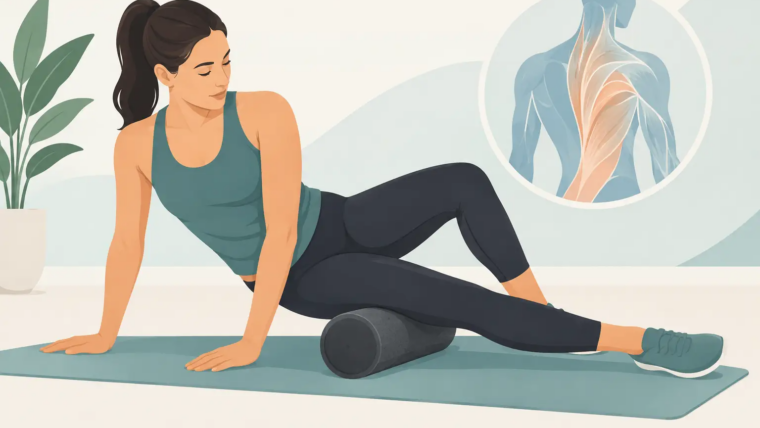
Many people under sustained pressure carry tension in the shoulders, hips, hands or jaw without noticing until discomfort becomes constant. Gentle movement, walking outdoors, yoga suited to your current energy levels and a few minutes of slow, comfortable breathing can all support the body’s return to a calmer state.
Therapies such as remedial massage, deep tissue massage, myofascial release, trigger point therapy or relaxation massage may be useful where muscle tension and discomfort are contributing to stress. The right approach depends on your body, pain levels and health history. Deep pressure is not always better, particularly when you are depleted, highly sensitive or living with an acute injury. A skilled practitioner should adjust treatment accordingly.
Create boundaries that are realistic
Not every source of stress can be removed, but some demands can be reshaped. Consider where you can pause before saying yes, ask for help, divide a task into smaller steps or set a clear finishing point for work. Even a ten-minute break away from a screen can be meaningful when repeated consistently.
It can also help to name what is happening to someone you trust. Chronic stress often grows in isolation. Talking with a partner, friend, manager, counsellor or healthcare professional can turn a vague sense of pressure into something more manageable and specific.
Personalised support for long-term balance
A tailored Ayurvedic consultation can provide a calm space to explore the patterns behind ongoing stress. At Herbal Ayurveda and Yoga Clinic, care is guided by the individual rather than a standard protocol. Recommendations may include lifestyle adjustments, suitable yoga or meditation practices, traditional therapies and, where appropriate, herbal guidance from a qualified practitioner.
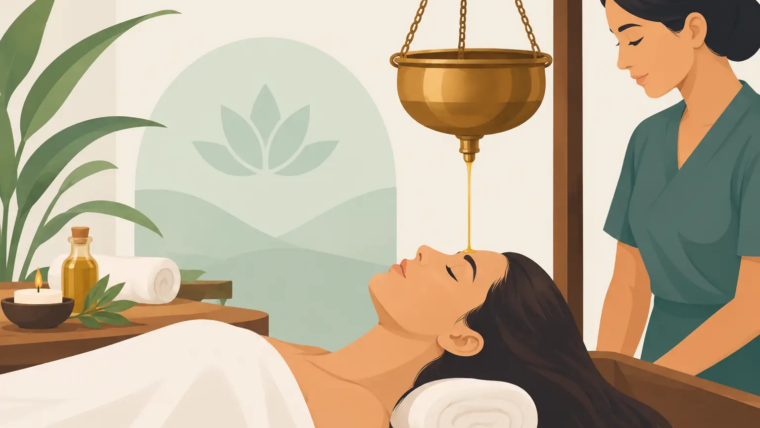
Traditional treatments such as Ayurvedic massage and Shirodhara are often chosen for their deeply settling, restorative quality. They are best viewed as part of a wider plan that includes adequate rest, supportive routines and appropriate medical care. The goal is not to eliminate every stressful event, which is rarely possible, but to improve your capacity to respond without remaining stuck in a state of tension.
Pay attention to the signals your body has been repeating. A calmer nervous system is usually built through small, consistent acts of care, guided by support that respects both your symptoms and the realities of your life.