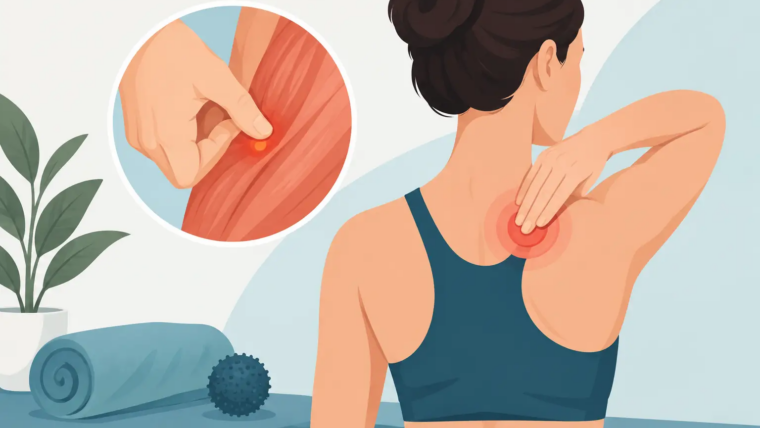
A tight upper back after long hours at a desk, recurring muscle soreness after training, or the physical weight of ongoing stress can all leave people looking beyond a standard massage. When considering cupping versus acupuncture, the key difference is simple: cupping works on the body’s soft tissues through suction, while acupuncture uses very fine needles at selected points. Both are traditional therapies, but they feel different, are delivered differently and may suit different concerns.
For many people, the most useful question is not which therapy is “better”. It is which approach is appropriate for your body, health history, comfort level and goals.
What is cupping therapy?
Cupping is a body therapy in which cups are placed on the skin to create gentle suction. Depending on the treatment approach, the cups may remain in one position for a short time or be moved slowly across the skin with massage oil. At Herbal Ayurveda and Yoga Clinic, cupping may be incorporated thoughtfully within a massage-based treatment plan where it is suitable.
The suction can create a pulling sensation through the skin and underlying soft tissue. Many clients describe it as firm but relieving, particularly across areas that feel tight or restricted, such as the shoulders, upper back, lower back, hips or legs.
Cupping is often chosen to support relaxation and ease muscular tension. It can complement remedial massage, deep tissue massage, trigger point therapy or myofascial release when a practitioner identifies areas of tightness that may benefit from a different form of manual treatment.
A common and expected effect is temporary circular marking on the skin. These marks are not bruises in the usual sense, although they can resemble bruising. Their colour and duration vary between people, and they commonly fade over several days to around two weeks. This is worth considering before a beach day, wedding or other occasion where you would prefer not to have visible marks.
What a cupping session may feel like
During cupping, the sensation should be noticeable but manageable. Some areas may feel tender, especially where muscles are already tight. Clear communication matters: a practitioner can adjust the suction, cup placement and treatment time according to your response.
Afterwards, some people feel looser and calmer, while others experience temporary tenderness or fatigue. Gentle movement, adequate water and avoiding very intense exercise immediately after a session can be sensible, particularly if you have had deeper bodywork.
What is acupuncture?
Acupuncture is a traditional East Asian medicine practice involving the insertion of sterile, single-use, very fine needles at specific points on the body. In traditional frameworks, these points are selected to support the body’s balance and flow. In contemporary settings, acupuncture is also commonly sought for concerns such as persistent pain, tension, headaches, stress-related symptoms and sleep difficulties.
Needles are generally much finer than needles used for injections or blood tests. Sensations differ from person to person. You may feel little at all, or notice a brief tingling, heaviness, warmth or dull ache around a point. A properly delivered treatment should be guided by your comfort and clinical presentation.
Acupuncture requires particular training, hygiene standards and a thorough assessment. If acupuncture is the right avenue for your needs, seek care from a suitably qualified and registered acupuncture practitioner. It is especially important to discuss medications, bleeding conditions, pregnancy, implanted medical devices and any significant health concerns before treatment.
Cupping versus acupuncture: the practical differences
Although both therapies have traditional roots and are sometimes used within the same broader care plan, they are not interchangeable.
Cupping is external and usually focused on muscles, fascia and the immediate sensation of tightness or restriction. It may be a comfortable option for someone who wants hands-on bodywork and is not keen on needles. It can also fit naturally alongside massage when the goal is to address a particular area of muscular tension.
Acupuncture involves needles and may be selected according to a wider pattern of symptoms, not only the spot that hurts. Someone may seek acupuncture for a combination of pain, disrupted sleep, stress and headaches, for example. The treatment style, point selection and number of sessions can differ substantially between practitioners and individuals.
The visibility of treatment is another practical difference. Cupping can leave marks. Acupuncture usually does not, though minor redness or occasional small bruises can occur. If you have an event coming up or wear clothing that exposes the treated area, this may influence your choice.
Which therapy may suit your goal?
Cupping may be worth discussing if your main concern is muscular tightness, postural strain, a feeling of heaviness through the back and shoulders, or recovery from physical activity. It is often most relevant when treatment can be combined with massage, movement guidance and practical changes to reduce the cause of ongoing strain.
Acupuncture may be more appropriate when you are seeking needle-based traditional treatment or when your concerns extend beyond one local muscle group. Some people choose it as part of their approach to recurring pain, stress or sleep disruption. Others simply prefer the quiet, resting nature of an acupuncture session.
There is also room for personal preference. If needles make you anxious, cupping or massage may feel more approachable. If you do not want temporary skin marks, acupuncture may be preferable. Neither choice needs to be permanent. Your response to treatment can help guide future care.
When cupping may not be appropriate
Cupping is not suitable for every person or every area of the body. It should not be applied over broken skin, sunburn, rashes, active skin infections, significant inflammation or areas with impaired sensation. Extra caution is needed for people who bruise easily, take blood-thinning medication or have a bleeding disorder.
Pregnancy, recent surgery, certain medical conditions and unexplained pain also call for an individual assessment. Cupping is not a substitute for medical diagnosis. New, severe or worsening symptoms should be assessed by a GP or other appropriate health professional, particularly chest pain, sudden weakness, numbness, fever, unexplained weight loss or pain following a significant injury.
A responsible practitioner will ask questions before treatment rather than applying the same method to every client. That assessment is part of personalised care, not an unnecessary formality.
A whole-person approach to muscular tension
A tight neck is not always only a neck problem. It may be connected with desk posture, poor sleep, workload, dehydration, repetitive movement, training load or the way stress is held in the body. Cupping can be a helpful treatment tool, but lasting change often comes from looking at these contributing factors as well.
For this reason, a treatment plan may include massage techniques, cupping where appropriate, gentle mobility work, yoga-based movement, breathing practices or lifestyle support. The aim is not to chase every sore point. It is to understand what your body is asking for and support steadier habits over time.
Choosing care with confidence
Whether you are considering cupping or acupuncture, look for a practitioner who takes a proper history, explains what they recommend and welcomes questions. You should understand what the treatment involves, what sensations or after-effects are normal and when another form of care may be needed.
The best starting point is often a calm conversation about what has been happening in your body, what you have already tried and what feels manageable for you. From there, treatment can be chosen with care rather than by trend – supporting relief in the present while respecting your longer-term wellbeing.