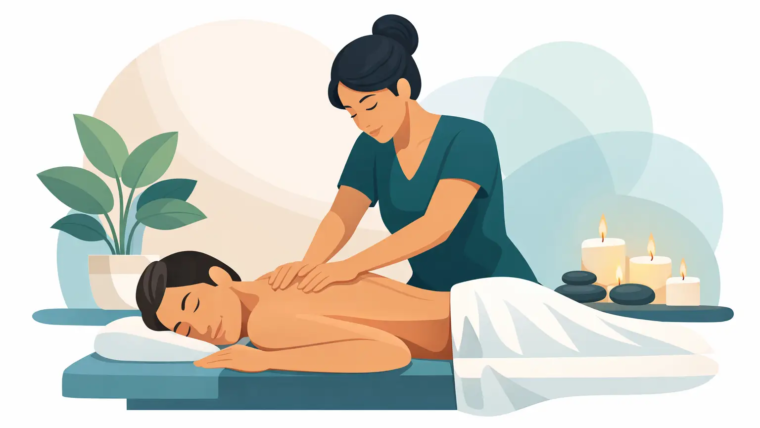
A tight spot beside the shoulder blade that returns after every desk day, a calf that cramps during a walk, or a neck that refuses to turn comfortably can make ordinary movement feel needlessly hard. Trigger point therapy is a focused hands-on treatment approach that may help address these sensitive areas of muscle and connective tissue, especially when tension is persistent or movement has become restricted.
Rather than treating the body as a collection of separate sore spots, a considered treatment looks at the patterns behind discomfort. Work posture, repetitive tasks, training load, sleep, stress, previous injury and daily movement habits can all influence how muscles hold tension. For many people, relief is most meaningful when treatment is paired with practical changes that support the body between appointments.
What is trigger point therapy?
A trigger point is a tender, irritable area within a muscle or its surrounding fascia. It may feel like a small nodule, a taut band, or simply an area that is noticeably more sensitive under pressure. Trigger points can develop when a muscle is overloaded, held in one position for too long, recovering from injury, or repeatedly used without enough recovery.
Pressure on one area may sometimes reproduce discomfort elsewhere. For example, tension in muscles around the neck and shoulders may be felt as aching near the head, while trigger points in the glutes can contribute to discomfort around the lower back or hip. This does not mean every pain has a simple muscular cause. It does mean that careful assessment matters before assuming the location of pain is the sole area requiring attention.
Trigger point therapy uses sustained, measured pressure and massage techniques to work with these areas. The aim is not to force a muscle to release through excessive discomfort. It is to encourage a reduction in protective tension, improve comfort with movement and help restore more balanced muscle function.
What a treatment session may involve
A practitioner will usually begin by discussing your symptoms, health history, daily activities and goals. This conversation helps distinguish a recent strain from a long-standing pattern, and identifies factors that may affect the suitability of treatment. You may be asked to describe when discomfort occurs, what movements aggravate it, and whether you have noticed tingling, weakness, swelling or changes in sensation.
Hands-on assessment may include observing posture and movement, gently palpating relevant muscles, and checking how surrounding areas are contributing. A painful shoulder, for instance, may involve the upper back, chest, neck or shoulder blade muscles as well as the shoulder itself.
During treatment, pressure is applied in a controlled way to selected points. It may be held briefly, combined with slow movement, or followed by broader remedial massage, deep tissue techniques or myofascial release. The pressure should be purposeful but manageable. Some tenderness is common, particularly in an area that has been sensitive for some time, but sharp pain, numbness or a feeling that you need to brace against the treatment should be communicated straight away.
A session may also include advice on simple movements, rest, hydration and workload changes. The right recommendation depends on the person. Someone who spends long hours at a computer may benefit from more frequent movement breaks and upper-back mobility, while an active person with recurring calf tension may need to review training progression, footwear or recovery practices.
Why pain does not always need more pressure
There is a common belief that deeper massage automatically produces better results. In practice, more pressure is not always more effective. Muscles can become protective when treatment is too intense, particularly when stress, fatigue, poor sleep or an existing injury is part of the picture.
A skilled approach adjusts pressure according to your response on the day. Some clients benefit from direct trigger point work combined with deep tissue massage. Others respond better to slower remedial techniques, relaxation-focused work or a gentler myofascial approach before more targeted pressure is considered.
This is especially relevant for people who live with ongoing stress. The body does not separate emotional strain from physical tension as neatly as we might like. Clenched jaws, lifted shoulders, shallow breathing and restless sleep can maintain a pattern of muscular holding. Addressing the muscle is useful, but supporting calm, restorative routines can help the change last longer.
When trigger point therapy may be helpful
Trigger point therapy is commonly sought for localised muscular tightness, reduced range of movement and recurrent tension patterns. It may be considered when discomfort appears connected to repetitive movement, prolonged sitting or standing, physical work, exercise, or postural strain.
People often seek treatment for neck and shoulder tension, upper-back aching, tight hips, lower-back muscular discomfort, glute tension, calf tightness or forearm fatigue. However, the same symptom can have different causes in different people. A sore lower back after lifting boxes has a different context from lower-back pain that appears without explanation, wakes someone at night or travels down the leg.
For this reason, trigger point therapy is best viewed as one part of a personalised care plan rather than a universal answer to pain. It can be used alongside remedial massage, movement support, yoga-based practices and appropriate medical care where required.
When massage is not the right first step
Massage and trigger point work are not appropriate for every presentation. A responsible practitioner will modify treatment, postpone it or recommend further assessment if symptoms suggest that hands-on therapy may not be suitable.
Seek prompt medical advice for symptoms such as:
- sudden or severe pain following a fall, accident or significant injury
- new weakness, numbness, loss of coordination, or pain travelling with neurological symptoms
- unexplained swelling, redness, warmth, fever or feeling generally unwell
- chest pain, shortness of breath, unexplained weight loss, or pain that regularly wakes you at night
It is also important to disclose pregnancy, recent surgery, blood-thinning medication, osteoporosis, circulatory conditions, active infection, cancer treatment or any diagnosed health condition. This does not automatically prevent treatment, but it may change the techniques used or indicate that medical clearance is needed.
Supporting results between appointments
The most useful follow-up is often simple and consistent. After a session, gentle movement is usually preferable to returning immediately to the exact activity that caused the tension. A short walk, comfortable range-of-motion exercises and a warm shower may help the body settle, depending on your individual circumstances.
Notice the habits that repeatedly load the same area. This might be leaning towards one screen, carrying a bag on the same shoulder, gripping the steering wheel during stressful driving, or increasing gym intensity too quickly. Small adjustments made regularly can be more valuable than an occasional major effort.
At Herbal Ayurveda and Yoga Clinic, care is guided by the understanding that each person brings a different health history, lifestyle and capacity for change. Trigger point work can sit alongside massage, yoga-informed movement and personalised wellbeing guidance, with treatment adapted to what your body needs rather than applied as a standard routine.
A considered approach to lasting comfort
Muscular tension is often the body’s response to demand, not a personal failure or something to be pushed through. When an area repeatedly becomes tight, it is worth becoming curious about the pattern: what load is it carrying, what recovery is it missing, and what support would make movement feel easier?
A calm, individualised approach to trigger point therapy can create space for that conversation. The goal is not simply to chase a temporary release, but to help you move through daily life with greater comfort, awareness and confidence.