A feeling of heaviness in the legs after a long desk day, mild puffiness after travel, or a body that simply feels sluggish can prompt questions about how to support lymphatic drainage. The most helpful approach is usually not extreme cleansing or forceful massage. It is a steady routine that supports circulation, movement, rest and appropriate professional care when needed.
The lymphatic system is part of the body’s natural fluid balance and immune function. Lymph fluid moves through a network of vessels and lymph nodes, carrying excess fluid, proteins and cellular waste away from tissues. Unlike the cardiovascular system, it does not have a central pump such as the heart. It relies largely on body movement, muscle contractions and breathing to keep fluid moving.
What lymphatic drainage support really means
Supporting lymphatic flow is not about “flushing toxins” overnight. Your liver, kidneys, lungs, skin and digestive system already perform vital roles in processing and eliminating waste. Healthy lymphatic habits can complement these systems by encouraging comfortable movement of fluid through the body.
For many people, this begins with reducing long periods of stillness. Sitting through meetings, standing in one position at work, recovering from travel or experiencing a demanding period of stress can all leave the body feeling less mobile. Gentle, regular practices are often more useful than occasional intense efforts.
Persistent or sudden swelling, especially when it affects one limb, causes pain, redness, heat, breathlessness or chest pain, needs prompt medical assessment. These symptoms are not appropriate for self-treatment or routine massage.
How to support lymphatic drainage at home
Move little and often
Walking is one of the most accessible ways to support fluid movement. The repeated action of the calf and leg muscles helps return fluid from the lower body. A short walk before work, at lunchtime or after dinner can be more sustainable than relying on one long session at the end of the week.
If you spend much of the day seated, stand up regularly. Roll through your feet, circle your ankles, gently bend and straighten the knees, or take a few minutes to walk around the room. Those with desk-based roles may find it useful to set a quiet reminder every hour.
Yoga can also be a considered part of a lymph-supportive routine. Gentle poses that encourage mobility, relaxed breathing and awareness of posture may be suitable for many people. Cat-cow movements, supported twists, legs elevated on a chair and a slow, comfortable sun salutation are examples. The right practice depends on your energy, mobility, injuries and current health needs, so avoid pushing into strong stretches simply because a pose is described as beneficial.
Use slow, diaphragmatic breathing
Breathing affects pressure within the chest and abdomen, which can assist the movement of lymph fluid. Take a few minutes once or twice daily to breathe slowly into the lower ribs and abdomen.
Try sitting or lying comfortably with the shoulders relaxed. Breathe in gently through the nose, allowing the belly and lower ribs to expand. Breathe out without forcing the breath, and allow the abdomen to soften. Five to ten unhurried breaths can be enough to settle the nervous system as well as support natural movement within the body.
This practice should feel calm. If deep breathing makes you light-headed, return to a normal breath and speak with a health professional if the symptom continues.
Maintain regular hydration and nourishing meals
Adequate fluid intake supports general health and normal circulation. Water is a sensible foundation, with the amount varying according to your size, activity level, climate, medications and medical conditions. In Adelaide’s warmer months, fluid needs may increase, particularly if you are active outdoors.
Rather than relying on restrictive detox plans, aim for regular meals with a variety of vegetables, fruit, legumes, wholegrains, protein sources and healthy fats. Fibre supports regular bowel function, while adequate protein is necessary for tissue health and fluid balance. Ayurveda also places value on meals that are warm, digestible and suited to the individual’s constitution, appetite and daily routine.
Alcohol, highly salty packaged foods and inconsistent meal patterns can leave some people feeling more bloated or uncomfortable. This does not mean they must be eliminated completely. Noticing your personal response and making manageable adjustments is usually more realistic than following rigid rules.
Care for the skin and body gently
Dry body brushing is often discussed in relation to lymphatic health. While some people enjoy it as a skin-care ritual, evidence for major lymphatic benefits is limited. If you choose to use a body brush, use light pressure on healthy, unbroken skin and stop if irritation occurs. It should never cause redness, scratches or discomfort.
A warm shower, gentle moisturising and a few minutes of relaxed self-massage may help you feel more connected to your body. The lymphatic vessels near the surface of the skin respond to very light touch, not deep pressure. Avoid vigorous rubbing over swollen, tender or inflamed areas.
Prioritise rest and stress regulation
Stress does not directly block lymphatic vessels, but it can influence sleep, digestion, energy, physical activity and muscle tension. These factors shape how the body feels day to day. A regular sleep schedule, a quieter evening routine, meditation or restorative yoga can all form part of whole-person support.
Choose practices you can repeat. Ten minutes of walking and breathing most days will generally serve you better than an elaborate wellness routine that adds pressure to an already busy week.
Where lymphatic drainage massage may help
Professional lymphatic drainage is a specialised, light-touch technique designed to encourage the movement of lymph fluid. It differs from remedial massage and deep tissue massage, which use more focused pressure to address muscular tension, movement restriction or discomfort.
A therapist should first ask about your health history, medications, recent surgery, current symptoms and treatment goals. For someone who is generally well but experiencing temporary puffiness or a heavy feeling after travel, a gentle session may be a calming addition to movement and hydration habits. For others, the most suitable treatment may be remedial massage, relaxation massage, myofascial release or a carefully chosen combination based on their presentation.
The pressure used for lymphatic work is typically soft and rhythmical. More pressure is not better. Deep or forceful techniques are not a substitute for manual lymphatic drainage and may be unsuitable where swelling is present.
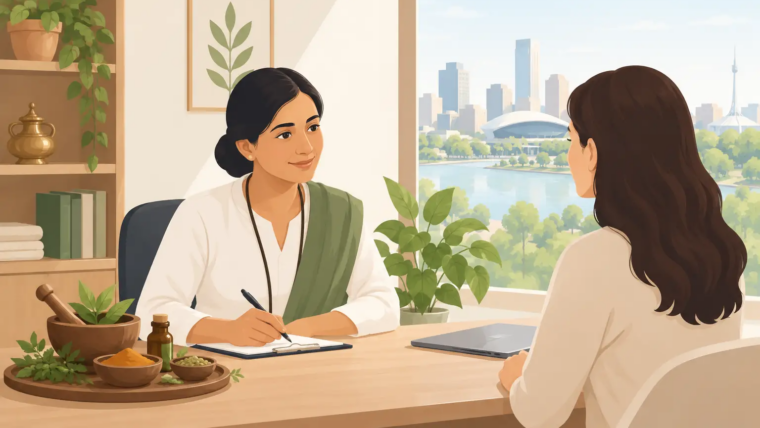
At Herbal Ayurveda and Yoga Clinic, care is approached individually, with attention to lifestyle, stress, movement patterns and the person’s broader wellbeing. This allows treatment to be selected thoughtfully rather than assuming one technique will suit everyone.
When to seek medical advice first
Lymphatic drainage massage and self-care practices are not appropriate in every circumstance. Speak with your GP or treating specialist before treatment if you have diagnosed lymphoedema, have recently had cancer treatment or lymph node surgery, or are recovering from a significant medical procedure. You may need care from a clinician with specific lymphoedema training and guidance from your medical team.
Professional assessment is also needed for unexplained swelling, active infection, fever, blood clots or suspected deep vein thrombosis, uncontrolled heart failure, significant kidney disease, or severe circulation problems. Massage may need to be postponed during acute illness or inflammation.
Pregnancy, autoimmune conditions and ongoing health concerns do not automatically rule out massage, but they do call for a tailored discussion. A qualified practitioner can adapt positioning, pressure and treatment choices, or advise when medical clearance is the safer next step.
Build a routine that suits your body
The best way to support lymphatic drainage is often uncomplicated: move regularly, breathe fully, drink enough fluid, eat consistently and seek skilled care when your symptoms or circumstances call for it. Pay attention to patterns rather than chasing quick fixes.
If your body is asking for more rest, gentler movement or professional support, responding early and kindly can be a meaningful part of long-term wellbeing.