A busy mind and a tense scalp can feel similar at the end of a demanding week, yet the treatment that suits you may be quite different. When considering shirodhara vs head massage, the key difference is not simply oil versus touch. Each has its own method, pace and therapeutic intention.
A head massage is a hands-on treatment that works through the scalp, neck, shoulders and sometimes the face. Shirodhara is a traditional Ayurvedic therapy in which a gentle, continuous stream of warmed oil is applied across the forehead. Both can feel deeply settling, but they offer different experiences and may be chosen for different reasons.
Shirodhara vs head massage: the essential difference
Head massage uses skilled manual pressure, kneading and slow movements to address areas that feel held or overworked. The practitioner can adapt the pressure and focus during the session, spending more time through the temples, jaw, scalp, upper neck or shoulders where needed. It is often a good option for someone who wants a familiar massage experience with targeted physical attention.
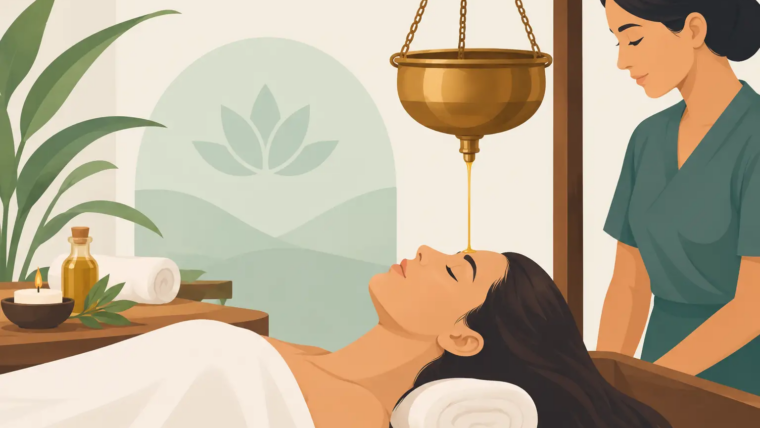
Shirodhara is quieter and more still. After appropriate preparation, warm oil is allowed to flow in a steady rhythm over the forehead, traditionally around the area associated with calm attention and rest. Rather than working into knots with the hands, the treatment invites the nervous system to slow down through warmth, repetition and stillness.
The choice is not about which treatment is better. It is about whether you currently need more physical release, more profound rest, or a considered combination of both.
What a head massage may feel like
A well-delivered head massage can be both practical and restorative. Many people carry tension through the neck, shoulders, jaw and scalp without recognising how much it is affecting their comfort. Long hours at a desk, driving, screen use, poor sleep, training and emotional strain can all contribute to a feeling of heaviness through these areas.
During a head massage, pressure can be adjusted to your preference. Gentle work may suit someone seeking relaxation, while firmer techniques may be appropriate when muscular tightness is a priority. Depending on your treatment plan, head massage may be incorporated into relaxation massage, remedial massage, deep tissue massage or myofascial release work.
You remain aware of the therapist’s movements throughout the session. Some clients find this grounding because the treatment responds directly to what the body presents on the day. If your shoulders feel especially tight or your jaw has been clenching, the practitioner can spend time there rather than following a fixed sequence.
Head massage can also be the more convenient choice when you want a shorter session, prefer less oil, or are new to body therapies. It does not require you to lie still for an extended period in the same way as Shirodhara.
When head massage may suit you
Head massage may be worth considering if you are experiencing physical tightness around the scalp, neck and shoulders; if you prefer active, hands-on treatment; or if you would like pressure tailored closely throughout the appointment. It can be especially appropriate when stress is showing up as muscular tension rather than a need to completely switch off.
That said, strong pressure is not always the answer. A therapeutic massage should be responsive, not forceful. The most useful treatment is one that respects your comfort, health history and the way your body responds.
What a Shirodhara treatment may feel like
Shirodhara is traditionally used in Ayurveda as part of a wider approach to balance. The steady flow of warm oil across the forehead creates a highly sensory experience, but it is not stimulating in the way massage can be. Most people describe it as quiet, warm and repetitive, with very little required of them except to rest.
A session commonly begins with a brief consultation and may include a gentle head, neck or scalp massage before the oil is applied. The practitioner then uses a specialised vessel to maintain a continuous, controlled flow. The oil is selected and warmed with care, taking into account the person’s presentation, comfort and Ayurvedic constitution where relevant.
Because the treatment involves oil in the hair and on the scalp, it is best to allow some unhurried time afterwards. You may prefer to keep the rest of the day light, avoid rushing back into demanding tasks and arrange your hair-washing routine around the appointment. This is a practical consideration, but it is part of honouring the restful quality of the treatment.
When Shirodhara may suit you
Shirodhara may be a thoughtful choice when you feel mentally overextended, restless or unable to settle into rest. It may also appeal if you are looking for a traditional Ayurvedic experience that supports a slower pace and complements meditation, yoga or lifestyle guidance.
It is not designed as a replacement for medical assessment or mental health care. Persistent anxiety, severe sleep disruption, frequent headaches, neurological symptoms or significant changes in mood deserve appropriate advice from a qualified health professional. Shirodhara can sit alongside a broader wellbeing plan, but it should not be positioned as a cure for complex health concerns.
Choosing between Shirodhara and a head massage
The most helpful question is often: what kind of relief am I seeking? If you can point to a tight neck, tender shoulders or a sore scalp, a head massage may provide the more direct and adaptable experience. If physical tension is only one part of a wider sense of mental busyness, and you want to rest without needing to engage, Shirodhara may be more suitable.
Your preferences matter too. Some people find the feeling of oil on the forehead profoundly comforting. Others dislike having oil in their hair or prefer the clear physical feedback of massage. There is no need to choose a treatment based on what sounds most exotic or intensive. The right option is the one you can receive comfortably and consistently.
For some clients, the best approach is not an either-or decision. A gentle scalp and neck massage before Shirodhara can help the body settle, while a course of massage treatments may be more appropriate when postural strain and soft-tissue tightness are ongoing concerns. A practitioner can recommend a sequence that fits your goals rather than treating every appointment the same way.
Why a personalised consultation matters
Traditional Ayurvedic care considers more than a single symptom. Sleep patterns, digestion, daily routine, stress load, skin and scalp sensitivity, activity level and current health concerns can all shape what is recommended. This is particularly relevant for Shirodhara, where the type of oil, temperature, preparation and timing should be considered carefully.
At Herbal Ayurveda and Yoga Clinic, treatments are guided by practitioner-led assessment rather than a standard spa menu. Mandeep Singh holds a Bachelor of Ayurvedic Medicine and Surgery and professional AAA membership, bringing traditional Ayurvedic knowledge into a calm, individualised care setting.
Before treatment, share any relevant information such as allergies, scalp conditions, recent injury, migraines, vertigo, pregnancy, medical diagnoses or medicines you are taking. A qualified practitioner may modify the treatment, recommend a different service or suggest that you seek medical advice first. This is not a barrier to care. It is part of providing care responsibly.
Preparing for your appointment
For either treatment, arrive with enough time to settle rather than rushing in from work. Wear comfortable clothing and let your practitioner know if you are sensitive to pressure, fragrance or temperature. For Shirodhara, avoid scheduling an occasion immediately afterwards where freshly styled hair is essential, as oil will remain in the scalp and hair.
After a head massage, drink water, move gently and notice how your neck and shoulders feel over the following day. After Shirodhara, give yourself permission to keep the evening simple. A warm meal, reduced screen time and an earlier bedtime can extend the sense of rest that the treatment has created.
The most useful treatment is often the one that helps you listen more clearly to what your body and mind have been asking for. Whether that is skilled hands easing physical tension or the still, warm rhythm of Shirodhara, choose an experience that leaves room for ongoing balance, not just a brief escape.