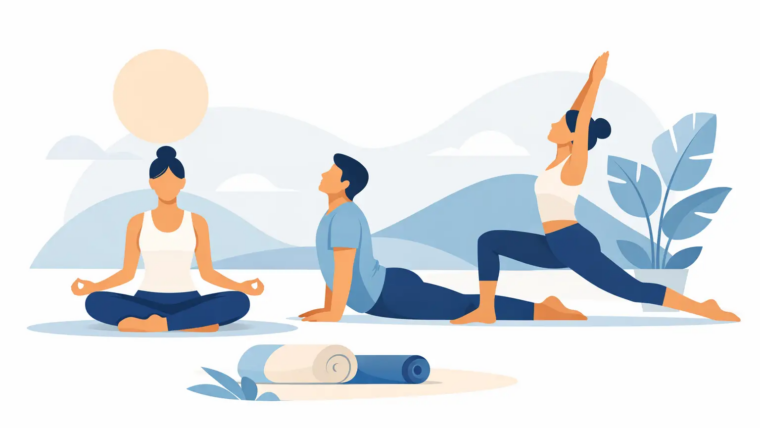
A full diary, tight shoulders and a mind that keeps replaying the day can leave little room for real rest. The best natural ways to relax are not always dramatic or time-consuming. Often, they involve giving the body clear, repeated signals that it is safe to slow down.
Relaxation is more than switching off the television or scrolling on a mobile. It is a shift in the nervous system, breath, muscles and attention. When stress has been building for weeks or months, a single quiet evening may feel helpful without being enough. Gentle daily practices, supported by personalised care where needed, can create a steadier foundation for wellbeing.
Why relaxation can feel difficult
Many people expect relaxation to happen automatically once work or family demands ease. Yet the body may still be operating as though it needs to stay alert. You might notice a clenched jaw, shallow breathing, restless sleep, digestive discomfort or difficulty sitting still without reaching for another task.
From an Ayurvedic perspective, stress can disrupt a person’s natural balance and daily rhythm. The appropriate support depends on the individual. Someone who feels wired, cold and scattered may need a different approach from someone who feels irritable, overheated and unable to switch off. This is why relaxing practices should feel settling rather than demanding.
The best natural ways to relax at home
1. Slow your exhale before trying to calm your thoughts
When the mind is racing, trying to force it quiet often creates more frustration. Begin with the body instead. Sit comfortably with both feet supported, soften the shoulders and breathe in gently through the nose. Let the exhale be a little longer than the inhale, without straining.
Try this for three to five minutes. For example, breathe in for a comfortable count of four and out for a count of six. The aim is not perfect counting. A slower, unhurried exhale can help ease physical tension and give the mind one simple point of focus. If you feel light-headed, return to normal breathing.
2. Use gentle movement to release the working day
Stress does not only sit in thoughts. It often settles through the neck, hips, back and hands after long periods at a desk, driving or caring for others. A short yoga-based movement practice can be more restorative than collapsing straight onto the couch.
Move slowly through shoulder rolls, neck stretches, a supported child’s pose, cat-cow movements and a gentle forward fold. Finish lying down with a cushion under the knees for several quiet breaths. There is no need to stretch deeply or push through discomfort. The value lies in moving with awareness and allowing the body to soften.
If pain, injury or significant stiffness is part of the picture, professional guidance can help you choose movements that are suitable for your body.
3. Create a transition ritual after work
The period between work and evening is easily lost to chores, messages and unfinished mental lists. A small transition ritual marks the end of one role before another begins. It can be as simple as changing clothes, washing your face, taking a ten-minute walk or sitting with a warm herbal tea before starting dinner.
Keep it realistic. A ritual that takes forty minutes may be lovely, but it will not help if it becomes another item to complete. Choose one action you can repeat most days. Repetition teaches the body that the pace is changing.
4. Choose warmth when you feel tense or depleted
Warmth can be deeply comforting when the body feels contracted or overstimulated. A warm shower, bath, heat pack or foot soak can encourage a sense of ease, particularly in the cooler Adelaide months. Follow it with comfortable clothing and avoid rushing straight back into household tasks.
Ayurvedic self-care often includes gentle oil massage before bathing, known as abhyanga. Using a small amount of warm, appropriate oil on the feet, hands, legs and arms can be a calming ritual. It is not suitable for every skin condition or every person, so keep it simple and stop if irritation occurs. A qualified practitioner can advise on what may suit your constitution and current needs.
5. Eat in a way that supports a quieter evening
A very heavy late meal, excess alcohol, too much caffeine or eating while distracted can make relaxation harder. This does not require rigid food rules. Instead, notice which evening habits leave you settled and which leave you uncomfortable, restless or waking through the night.
For many people, a warm, simply prepared dinner eaten without work emails or television is easier on the system than a rushed meal at the end of the day. If caffeine is affecting sleep, consider moving your last coffee earlier rather than relying on willpower at bedtime. Small changes are usually more sustainable than an abrupt overhaul.
6. Give your senses fewer demands
The nervous system responds to the environment around you. Bright lights, constant news alerts and competing sounds can keep the mind active long after the day has ended. Lower the lights where possible, put the mobile on charge outside the bedroom and choose one calming activity rather than several at once.
This may be quiet music, reading a few pages of a book, knitting, tending to plants or simply sitting outdoors for ten minutes. The activity itself matters less than its quality. Choose something that does not ask you to perform, decide or compare yourself with others.
7. Practise a short, regular meditation
Meditation does not require an empty mind. It is the practice of returning attention, gently and repeatedly, when the mind wanders. Start with five minutes rather than setting an ambitious target. Sit upright but comfortable, notice the movement of your breath, and when thoughts appear, acknowledge them before returning to the breath or a simple word.
Some people find silent meditation soothing; others find it uncomfortable when anxiety is high. In that case, a guided body scan, mindful walking or gentle breath practice may be a better starting point. The right method is the one you can approach without dread.
8. Address persistent muscular tension
When the body is carrying ongoing tightness, relaxation techniques can feel limited because discomfort keeps drawing attention back. Remedial massage, deep tissue massage, trigger point therapy, myofascial release, cupping therapy or lymphatic drainage may be considered according to your presentation and treatment goals.
These approaches are not interchangeable, and firmer is not always better. Deep tissue work may be useful for some patterns of muscular tension, while a relaxation massage may be more appropriate when you are depleted, sensitive or already highly stressed. A practitioner should consider your health history, comfort and response to treatment rather than applying a standard routine.
9. Make sleep preparation a practice, not a last-minute task
Sleep is one of the body’s most effective recovery processes, but it benefits from a gentle lead-in. Aim for a consistent bedtime most nights, dim lights in the hour before bed and keep the bedroom cool, quiet and comfortable. If possible, avoid using your bed as an office or a place to catch up on stressful messages.
If your mind fills with tomorrow’s tasks as soon as your head reaches the pillow, write a brief list earlier in the evening. This does not solve every worry, but it can reduce the pressure to remember everything overnight. Persistent insomnia, loud snoring, severe fatigue or changes in mood deserve assessment from an appropriate health professional.
10. Seek personalised support when stress is becoming your normal
Natural relaxation practices work best when they fit your lifestyle, health needs and capacity. If stress is affecting sleep, digestion, pain levels, mood or relationships, individual support can help identify the patterns that are keeping you stuck.
At Herbal Ayurveda and Yoga Clinic, personalised Ayurvedic consultations, yoga-based wellness support, meditation guidance and traditional therapies such as Ayurvedic massage and Shirodhara are approached as part of whole-person care. Recommendations should take account of your constitution, daily routine and current concerns, rather than offering a one-size-fits-all answer.
Let relaxation become part of your routine
The most effective practice is usually the one that is small enough to continue. A few minutes of breathing before dinner, a gentle stretch after work and a calmer bedtime routine may not look impressive, yet their effect can build over time. Choose one practice that feels genuinely supportive this week, and allow it to become a quiet promise to your own wellbeing.