That heavy, tender feeling after a new gym session, a long day on your feet, or a weekend in the garden is often your body’s response to unfamiliar effort. Natural remedies for muscle soreness can make recovery more comfortable, but the most helpful approach is rarely one single treatment. It is a considered combination of rest, gentle movement, nourishment and attention to what your body is asking for.
Muscle soreness is common, particularly when you increase exercise intensity, return to activity after a break, or repeat movements your body is not used to. Delayed-onset muscle soreness, often felt 12 to 48 hours after activity, usually settles within several days. The aim is not to force it away overnight, but to support circulation, reduce tension and allow tissues time to recover.
Natural remedies for muscle soreness
Start with gentle movement
When muscles are sore, complete stillness can sometimes increase stiffness. A gentle walk, light stretching, easy yoga or relaxed mobility work may help you feel less restricted. Movement encourages blood flow and reminds the nervous system that the area can move safely.
Keep the intensity low. This is not the day for pushing through a hard training session, deep stretches that cause pain, or trying to “work out” the soreness. If a movement creates sharp pain, swelling or a sense that something is not right, stop and seek professional advice.
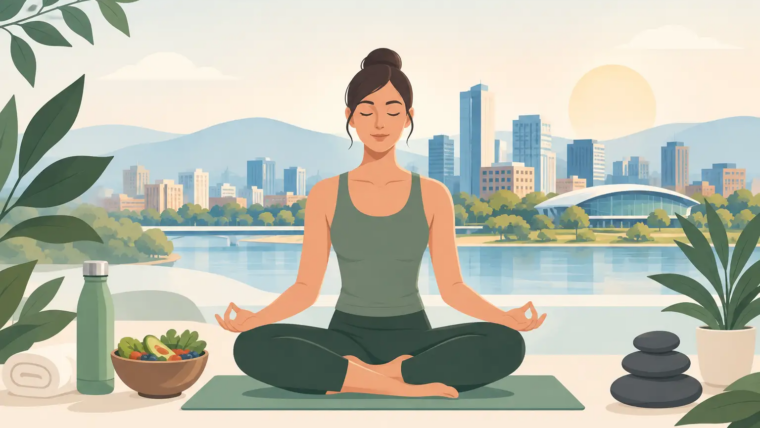
For many people, slow yoga-based movements paired with steady breathing are especially useful after a demanding week. They support mobility while helping the body shift out of a stressed, braced state. A short, consistent practice is generally more beneficial than an occasional intense session.
Use warmth or cold according to the symptoms
Heat and cold can both have a place, depending on how the soreness feels. A warm shower, bath, heat pack or warm compress may ease general tightness and help muscles relax. This often suits dull, lingering soreness or stiffness that is worse after sitting still.
Cold may feel more comfortable soon after a minor knock, a flare of inflammation or an activity that leaves a specific area hot and tender. Use a cold pack wrapped in a cloth for short periods rather than placing ice directly on the skin.
Neither option is compulsory, and neither repairs muscle tissue on its own. Choose the sensation that brings relief. If you have reduced sensation, circulation concerns, diabetes, or a skin condition, ask a qualified health professional before using strong heat or cold.
Prioritise hydration and regular meals
Dehydration does not explain every ache, but it can leave you feeling more fatigued and can make recovery feel harder. Drink water consistently across the day, especially after exercise, physical work or time spent in hot weather. If you have sweated heavily, a balanced meal and fluids can help replace what your body has used.
Recovery also depends on adequate energy and protein. There is no need for complicated powders or restrictive eating plans for most people. A regular meal containing protein, carbohydrates, colourful vegetables and healthy fats provides the building blocks your body needs after activity.
From an Ayurvedic perspective, recovery is also supported by routine and digestion. Eating calmly, choosing freshly prepared nourishing foods where possible, and avoiding skipping meals when the body is depleted may be more supportive than searching for a single “recovery” food. Individual needs vary with constitution, activity level, health conditions and the season.
Try self-massage with care
Gentle self-massage can be calming for sore calves, shoulders, thighs and feet. Use your hands, a tennis ball against a wall, or a foam roller with light to moderate pressure. Move slowly and avoid treating it as a test of pain tolerance.
More pressure is not always better. Aggressive rolling over an already tender muscle may leave it more irritated, particularly after an unfamiliar workout. Stay away from bruised areas, fresh injuries, varicose veins, numbness, open skin or areas that are visibly swollen.
Professional massage may be useful when tightness is persistent or when work posture, training demands or stress are contributing to recurring discomfort. Remedial massage, deep tissue massage, myofascial release and trigger point therapy should be selected according to the person and the presentation, rather than simply choosing the strongest treatment. A thoughtful assessment matters as much as the technique.
At Herbal Ayurveda and Yoga Clinic in Adelaide, care is tailored to the individual, with massage and yoga-based support considered alongside lifestyle, stress, sleep and daily movement patterns. This whole-person view can be valuable when muscle tension keeps returning.
Make sleep part of the treatment
Sleep is often the overlooked recovery tool. During quality sleep, the body carries out essential repair processes, while the nervous system has an opportunity to settle. A few nights of poor sleep can make normal soreness feel more intense and can reduce your patience for discomfort.
Create a simpler evening rhythm when you are recovering: lower bright light, leave demanding work earlier where possible, eat a satisfying evening meal and allow time to wind down. Gentle breathing, meditation or a warm shower can be useful rituals. The best routine is one you can repeat without adding pressure to an already busy day.
Ayurvedic support for sore, tired muscles
Ayurveda views discomfort in the context of the whole person. Muscle tightness may be influenced by physical exertion, but it can also be worsened by stress, irregular routines, inadequate rest, cold weather, overwork or a tendency to push beyond personal capacity.
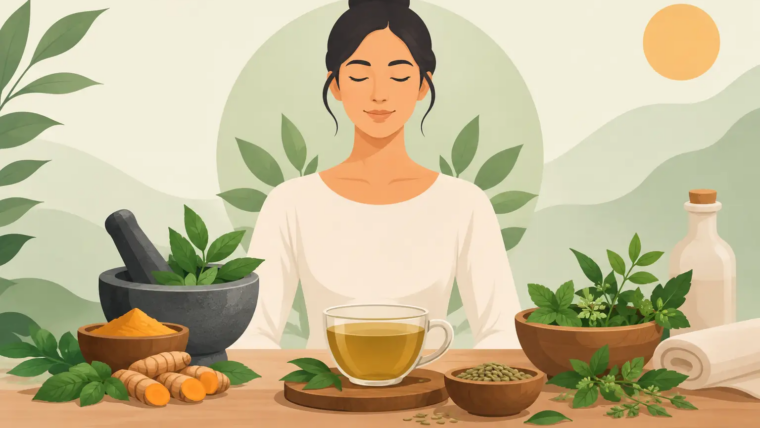
Traditionally, warm oil massage is used to calm the body and support a sense of groundedness, particularly when soreness comes with dryness, restlessness or poor sleep. The choice of oil, pressure and treatment approach should be individualised. What feels soothing for one person may be too warming, too stimulating or unsuitable for another.
Herbal preparations are sometimes considered within Ayurvedic care, but “natural” does not automatically mean safe for everyone. Herbs can interact with prescription medicines and may not be appropriate during pregnancy, breastfeeding or with certain medical conditions. Seek advice from a qualified practitioner who understands your health history before taking any herbal product for pain or recovery.
What to avoid when you are sore
The temptation to train hard through soreness is understandable, especially when you have a routine or goal. Yet repeated loading without adequate recovery can increase the risk of strain and prolong discomfort. Adjusting a session, changing to a walk or taking an extra rest day can be a sensible part of progress.
Avoid using alcohol as a recovery strategy. It may disrupt sleep, contribute to dehydration and mask how fatigued you actually are. It is also wise not to rely heavily on pain relief simply to continue activity that your body cannot comfortably tolerate. Medicines have an appropriate role for some people, but they are best used with guidance from a pharmacist or doctor, especially if you have other health conditions.
When muscle soreness needs medical attention
Ordinary post-exercise soreness should gradually improve, not become increasingly severe. Seek prompt medical assessment for severe pain, substantial swelling, weakness, inability to use a limb normally, numbness, fever, chest pain, shortness of breath or dark, tea-coloured urine. These symptoms are not typical recovery signs.
It is also worth speaking with a health professional if pain follows a fall or accident, persists beyond a week, repeatedly interrupts sleep, or appears without a clear reason. A personalised assessment can distinguish everyday muscle fatigue from injury, joint concerns, nerve irritation or another underlying issue.
Recovery is not a sign of doing less. It is the space in which your body adapts to the work you have asked of it. Respond with warmth, steady movement, nourishing food, good sleep and patience, then return to activity when your body feels ready.