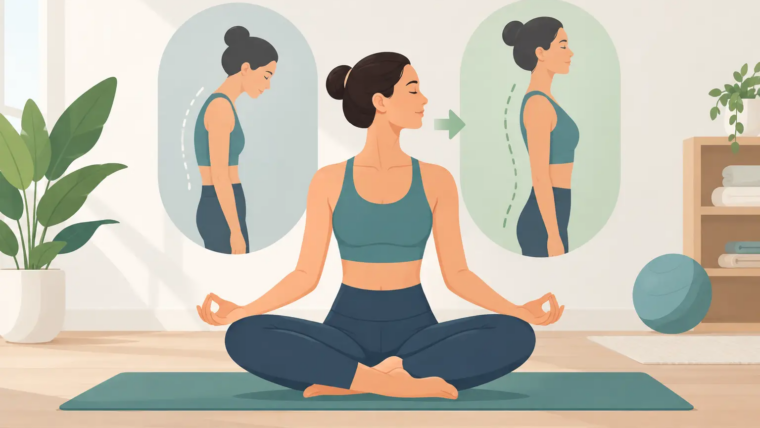
A stiff neck at 3 pm, shoulders inching towards your ears during emails, or a dull ache through the lower back after a long meeting are familiar signs of desk tension. Learning how to manage desk tension is less about achieving perfect posture and more about noticing when your body has been still, braced or overloaded for too long.
Desk work asks the body to do something it was not designed to do for hours at a time: remain largely motionless while the mind stays highly alert. Deadlines, back-to-back calls and concentration can create physical holding patterns in the jaw, neck, chest, forearms and hips. A few realistic changes throughout the day can help ease this build-up and support a more settled work rhythm.
Why desk tension builds up
Tension is not always caused by one badly positioned chair or screen. Your workstation matters, but so do stress levels, breathing habits, sleep, previous injuries, workload and how often you change position. Someone can have an excellent ergonomic setup and still finish the day feeling tight if they have spent six hours rushing, holding their breath and barely moving.
The body often responds to sustained focus by contracting. The shoulders lift slightly, the chin moves forward to meet the screen, and the hands grip the mouse or keyboard more firmly than necessary. Over time, these small efforts may leave the muscles around the neck, upper back and forearms feeling sore or fatigued.
From an Ayurvedic perspective, a busy, irregular workday can also aggravate Vata qualities such as dryness, restlessness and overstimulation. This does not mean desk tension has a single cause or a universal remedy. It does suggest that warmth, routine, gentle movement and calming practices may be useful alongside practical workstation changes.
How to manage desk tension at your workstation
Start with what is closest to you. Your screen should generally sit at a height that allows your gaze to fall naturally towards the top third of the display, without you needing to poke your chin forward. Keep the keyboard and mouse close enough that your elbows can remain relaxed by your sides rather than reaching ahead.
Sit back into the chair where possible, with your feet supported on the floor or a stable footrest. If your lower back feels unsupported, a small cushion or rolled towel may help. These adjustments are not rules to hold rigidly. The most supportive posture is usually the one you can change regularly.
Pay attention to the less obvious sources of strain. A mobile wedged between shoulder and ear, a laptop used all day without a separate keyboard, or a mouse that requires repeated reaching can all keep the upper body working harder. If you use a laptop for extended periods, raising the screen and using an external keyboard and mouse is often more comfortable.
Use posture as a starting point, not a position to freeze in
Many people try to correct desk tension by pulling their shoulders back all day. This can create another layer of effort. Instead, allow the shoulders to soften down, lengthen gently through the crown of the head, and let the ribs move as you breathe.
Then move again. Lean back, stand, walk to fill a water bottle, or change the angle of your chair. Frequent, small variations are usually more helpful than forcing yourself into one supposedly ideal posture for an entire morning.
Build movement into the working day
A short break taken before discomfort becomes intense is often more effective than waiting until the end of the day. You do not need a full yoga session beside your desk. One or two minutes of purposeful movement can interrupt the pattern of stillness and bring awareness back to the body.
Try a gentle sequence between tasks: stand and slowly roll the shoulders, reach both arms overhead while breathing steadily, then place your hands on your hips and take a comfortable step back from the desk. Turn your head slowly from side to side without forcing the range. Finish by opening and closing your hands, especially after prolonged keyboard or mouse use.
For the upper back, sit or stand tall and draw the elbows lightly behind you as if making space across the chest. Hold for one calm breath, then release. For the hips and legs, a brief walk around the office or home is often more useful than an elaborate stretch performed once a day.
Set a quiet prompt on your computer or mobile if you tend to lose track of time. The goal is not to obey a timer perfectly. It is to create regular opportunities to check in before the body has been asked to compensate for hours of inactivity.
Let your breath reduce unnecessary effort
When work becomes demanding, breathing can become shallow and high in the chest. This pattern may contribute to a feeling of tension around the neck, jaw and shoulders. A simple breathing pause can be done without drawing attention in a shared office.
Rest both feet on the floor and let your hands sit loosely on your lap. Inhale gently through the nose, allowing the lower ribs and abdomen to expand naturally. Exhale slowly, without pushing the breath out. Repeat for four or five cycles, and notice whether the jaw, hands or brow can soften.
Breathing practices are not a replacement for addressing a difficult workload or persistent pain. They can, however, offer a useful reset before a presentation, after an upsetting message, or when you notice your body becoming braced at the screen.
Support desk work beyond the desk
The way you begin and end the day influences how well your body tolerates desk work. Skipping meals, relying heavily on caffeine, sleeping poorly and moving very little outside office hours can all make tension feel more pronounced. A regular meal break, adequate water and a short walk in daylight are simple foundations that are easy to overlook.
Gentle yoga may be particularly helpful when it is matched to your current energy, mobility and symptoms. Some people benefit from opening the chest and strengthening the upper back; others need slower, grounding practices that reduce nervous system overload. The right approach depends on the person, not a generic sequence online.
Warmth can also be soothing for muscular tightness. A warm shower in the evening, a heat pack used safely, or a brief self-massage of the hands and forearms with warm oil may help you transition out of work mode. Avoid vigorous massage over an acute injury, swollen area or unexplained pain.
When hands-on treatment may help
If desk tension keeps returning despite reasonable changes, a personalised assessment can identify patterns that are hard to see from your chair. For some people, remedial massage, deep tissue massage, trigger point therapy, myofascial release or cupping therapy may help address areas of muscular tightness and restricted movement. The suitable treatment, pressure and frequency should be guided by your health history, comfort and goals.
At Herbal Ayurveda and Yoga Clinic in Adelaide, care is approached as individual support rather than a standard treatment plan. An Ayurvedic consultation may consider daily routine, stress, sleep, digestion and movement alongside the physical areas that feel uncomfortable. This can be valuable when desk tension is part of a wider pattern of fatigue, restlessness or ongoing stress.
Persistent or severe symptoms deserve appropriate medical attention. Seek assessment from a qualified health professional if pain follows an accident, becomes progressively worse, wakes you at night, or occurs with numbness, weakness, dizziness, chest pain, severe headache or changes in bladder or bowel function. Complementary care works best when used thoughtfully and alongside medical care where needed.
Make the change small enough to keep
A perfectly arranged desk will not help much if the changes are too complicated to maintain. Choose one adjustment for this week: raise your laptop screen, take a two-minute walk after lunch, relax your grip on the mouse, or practise five slow breaths before opening your inbox.
Desk tension often eases through repetition rather than one dramatic fix. Each small pause is a reminder that your work matters, but so does the body carrying you through it.