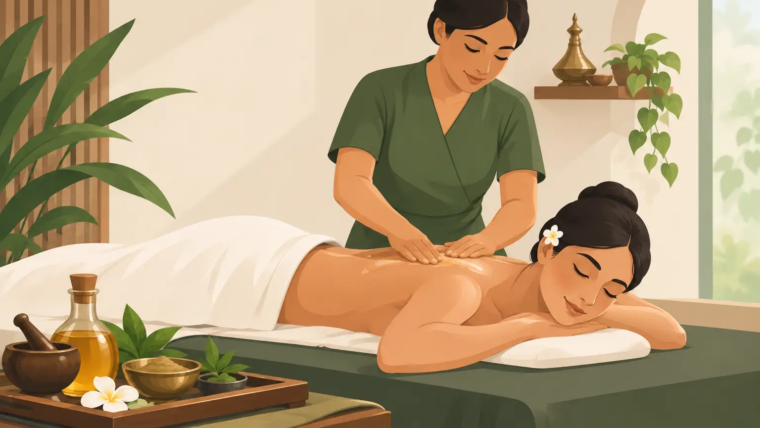
A tense jaw at the desk, shoulders sitting high on the drive home, or a mind that stays busy long after bedtime can make rest feel out of reach. The relaxation massage benefits many people notice are not about forcing the body to change. They come from creating a quieter, supported space where muscles can soften and the nervous system has an opportunity to settle.
For people managing the pace of work, family responsibilities or persistent everyday stress, relaxation massage can be a practical part of a broader wellbeing routine. It is gentle by design, but it is not impersonal. The most useful treatment considers how you are feeling on the day, where you hold tension, your health history and what you need from the session.
What is a relaxation massage?
Relaxation massage uses flowing, unhurried strokes and light to moderate pressure to encourage physical and mental ease. Oils may be used to support smooth movement across the skin, while the practitioner works methodically through areas such as the back, neck, shoulders, arms, legs and feet.
It differs from remedial massage, deep tissue massage and trigger point therapy. Those approaches may focus more directly on a particular injury, restricted movement or a stubborn area of muscular discomfort. Relaxation massage is generally less intense and is centred on whole-body calm rather than correcting a specific musculoskeletal concern.
That distinction matters. A stronger massage is not automatically a better one. If your body is already feeling overloaded, sore or fatigued, firm pressure can sometimes feel stimulating rather than settling. The right approach depends on your current needs, preferences and any advice from your healthcare professional.
Relaxation Massage Benefits You May Notice
The effects of massage vary from person to person. Some people feel deeply calm straight away, while others notice the value later that evening through easier rest or a greater sense of physical comfort. A massage cannot remove every source of stress, but it can give the body a meaningful pause from its usual pattern of bracing and rushing.
A calmer response to stress
When stress is ongoing, many people unconsciously tighten their shoulders, clench their jaw or hold their breath more shallowly. Slow, attentive touch and a peaceful treatment environment can help reduce the feeling of being constantly on guard. Many clients leave feeling quieter, more grounded and better able to notice what their body needs.
This does not mean relaxation massage is a treatment for anxiety, depression or other mental health conditions. It can sit alongside appropriate medical and psychological care as a supportive wellbeing practice. If stress is affecting daily function, sleep or mood in a significant way, seeking advice from a qualified health professional is important.
Temporary relief from everyday muscular tension
Desk work, long commutes, gardening, training and poor sleep can all contribute to a feeling of tightness through the neck, back and hips. Gentle massage may ease the sense of muscular stiffness and improve comfort for a time. It can also help you become more aware of patterns, such as lifting the shoulders while working or pushing through fatigue without breaks.
For acute injuries, severe pain, numbness, unexplained swelling or pain that persists, relaxation massage may not be the right first choice. Assessment and a more targeted plan may be needed.
Better preparation for rest
A massage session gives many people permission to stop doing. The warmth of the room, steady rhythm of treatment and time away from screens can make it easier to transition into an evening routine. Some clients report sleeping more comfortably after a session, particularly when tension and an overactive mind have been getting in the way.
Results are not guaranteed, and a single massage will not solve long-term sleep difficulties. However, when paired with consistent sleep hours, reduced late-night screen use, gentle movement and calming practices such as meditation, it may support a more settled routine.
A stronger sense of body awareness
Relaxation massage is also an opportunity to listen. You may notice that one side of the body feels more guarded, that your breathing changes when the shoulders soften, or that you have been ignoring fatigue for longer than you realised. This awareness can guide small, sustainable choices outside the treatment room, from taking regular movement breaks to making time for restorative practices.
What a session should feel like
A relaxation treatment should not feel like something you have to endure. Pressure can be adjusted at any time, and clear communication is part of good care. You may prefer a quiet session, or you may want to discuss areas of tension and wellbeing goals before treatment begins. Both are appropriate.
It is common to feel pleasantly heavy, calm or sleepy afterwards. Drinking water, allowing extra time before rushing into a demanding task, and keeping the rest of the day reasonably gentle can help you make the most of that feeling. Mild tenderness can occur, particularly if you were carrying tension, but significant pain or bruising is not the aim of relaxation massage.
A personalised approach matters
In Ayurvedic practice, wellbeing is viewed through the relationship between body, mind, daily habits and environment. Massage can be one supportive element within that wider picture. A practitioner may consider your energy levels, sleep, digestion, stress load, movement habits and personal goals before recommending an approach.
At Herbal Ayurveda and Yoga Clinic, relaxation massage can be considered alongside Ayurvedic lifestyle guidance, yoga-based wellness support, meditation or other body therapies where appropriate. This does not mean every person needs every service. A tailored plan may be as simple as regular relaxation massage and a few realistic changes to support rest between appointments.
Individualisation is especially valuable when your needs change. A person who wants a gentle full-body massage during a demanding work period may later need remedial support for a particular issue, or may benefit more from rest-focused practices at home. Ongoing care should respond to the person, rather than follow a fixed package.
When to postpone or seek medical advice
Massage is generally well tolerated for many people, but it is not suitable in every circumstance. Tell your practitioner about injuries, surgery, pregnancy, skin conditions, allergies, medications and relevant health diagnoses. This allows the treatment to be adapted safely or postponed when needed.
It is usually best to avoid massage when you have a fever, contagious illness, active skin infection, unexplained bruising, a suspected blood clot, or an acute and undiagnosed injury. People with osteoporosis, circulation concerns, cancer, diabetes, blood-clotting conditions or complex health needs may require medical guidance and treatment modifications. If you are pregnant, choose a practitioner experienced in adapting massage for pregnancy and discuss any concerns with your maternity care provider.
A qualified practitioner will welcome this conversation. Safety is not separate from relaxation. Knowing that your care has been considered carefully often makes it easier to settle into the session.
Finding a rhythm that suits your life
There is no universal schedule for massage. Some people book when work becomes particularly demanding or when tension begins to affect sleep. Others find a regular monthly or seasonal appointment helps them maintain a sense of balance. Frequency should be realistic for your time, budget and health goals, not driven by pressure to commit to more than you need.
Notice how you feel in the days after treatment. If you are calmer, sleeping more comfortably or recognising tension earlier, those are useful signs that the approach is supporting you. If your symptoms are worsening or not improving, it is worth reassessing the plan with a practitioner or your healthcare provider.
Making space to rest is not a luxury reserved for when everything else is finished. A thoughtful relaxation massage can be a quiet reminder that caring for your body and mind is part of how you continue to show up for the life you value.