A mind that will not settle often shows up long before a person says, “I feel anxious.” It can look like restless sleep, a tight chest before meetings, shallow breathing, irritability, racing thoughts, digestive upset, or a sense of being constantly “on”. When people begin looking into herbs and natural remedies for anxiety, they are often seeking something gentler than a quick fix. They want support that respects the whole person, not just the symptom.
From an Ayurvedic perspective, anxiety is rarely viewed as one isolated problem. It is more often a sign that the system is under strain and has moved out of balance. That may involve the nervous system, sleep patterns, digestion, overstimulation, irregular routines, emotional load, and the pace of modern working life. Herbal support can play a valuable role, but it works best when it is part of a broader, personalised plan.
How herbs and natural remedies for anxiety may help
Natural support for anxiety is not simply about taking a herb and waiting to feel different. The more useful question is what the body and mind are asking for. In some people, the pattern is overactivity and nervous tension. In others, it is exhaustion after long periods of stress. Some feel physically shaky and unsettled, while others carry their anxiety as poor concentration, digestive discomfort, or sleep disruption.
This matters because herbs have different actions. Some are traditionally used to calm and nourish the nervous system. Others support sleep, mental clarity, or resilience under stress. Some remedies are warming and grounding, while others are more cooling and settling. What helps one person may not suit another, particularly if there are existing health conditions, medications, pregnancy, or a sensitive constitution to consider.
In clinic practice, a careful assessment is always more useful than a one-size-fits-all recommendation. Anxiety can sit alongside burnout, low mood, hormonal shifts, trauma, digestive disturbance, or chronic fatigue. In those cases, a personalised approach is safer and usually more effective.
Ayurvedic understanding of anxiety
Ayurveda often associates anxiety with an aggravated Vata pattern. Vata is linked with movement, the nervous system, the breath, circulation, and mental activity. When Vata becomes disturbed, a person may feel ungrounded, fearful, overstimulated, dry, depleted, or unable to switch off.
This does not mean every anxious person has the same presentation. One person may be light sleeping, forgetful, and physically tense. Another may feel scattered and overwhelmed by noise, screens, deadlines, and irregular meals. For both, the aim is not simply sedation. The aim is to restore steadiness.
That is why Ayurvedic care often pairs herbs with simple, regulating supports such as warm meals, regular sleep times, breathing practices, meditation, and body therapies. The herb is only one part of the treatment picture.
Common herbs used for anxious tension
Ashwagandha is one of the better known Ayurvedic herbs for stress-related depletion and nervous system support. Traditionally, it is used where a person feels worn down, mentally overextended, and less resilient than usual. It may be more suitable for someone whose anxiety is accompanied by fatigue or poor recovery from ongoing stress rather than acute agitation alone.
Brahmi is traditionally valued for supporting mental clarity, focus, and a calmer state of mind. It is often considered where there is overthinking, mental fatigue, or difficulty settling the mind. Some people respond well to it when anxiety is linked with constant cognitive activity.
Jatamansi has a long traditional history of use in calming the mind and supporting sleep. It is sometimes considered where anxiety is accompanied by irritability, restlessness, or disturbed sleep, though suitability depends on the individual.
Outside Ayurveda, herbs such as passionflower, chamomile, lemon balm, and lavender are commonly used for mild nervous tension and sleep support. These can be useful, but natural does not always mean universally safe. Even gentle herbs may interact with medication or be unsuitable in some situations.
Natural remedies beyond herbs
For many people, the most effective natural remedies for anxiety are not dramatic. They are steady, repeated practices that help the body relearn safety and rhythm. When the nervous system has been overstimulated for weeks or months, simple regulation matters.
Breathwork is often one of the quickest places to begin. Slow, even breathing, especially with a longer exhalation, can help settle the stress response. This does not need to be complicated. A few minutes of quiet nasal breathing, done consistently, is often more useful than intense techniques performed irregularly.
Yoga can also help, provided the style suits the person’s current state. Someone already feeling wired and depleted may not benefit from highly stimulating classes. Grounding postures, supported rest, and gentle movement are often more appropriate when anxiety is linked with exhaustion and overstimulation.
Meditation can be helpful, but this is another area where it depends. Some people find silence deeply settling. Others become more aware of racing thoughts and feel worse if they are pushed into long sessions too soon. Guided practices, yoga nidra, or short body-based meditation may be a better starting point.
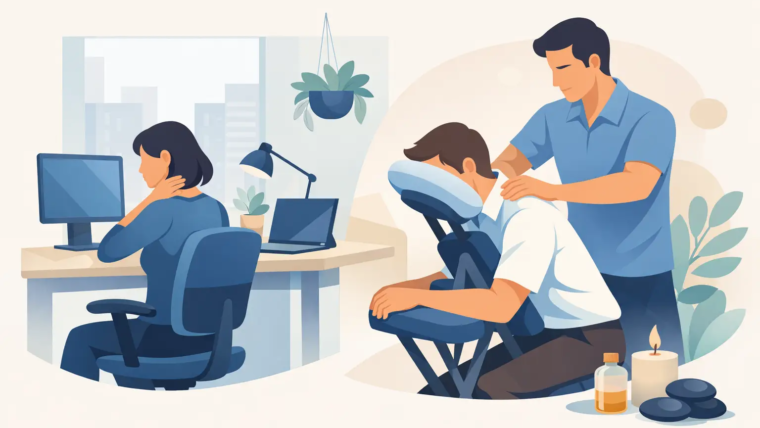
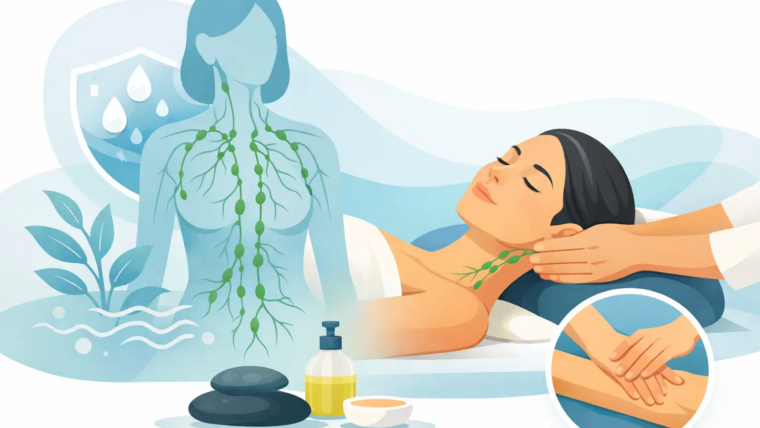
Warm oil massage, including traditional Ayurvedic approaches, is often deeply regulating for Vata-type imbalance. Touch, warmth, and routine can help calm a system that feels scattered or hyper-alert. In some cases, therapies such as Shirodhara may be considered as part of a broader treatment plan, particularly when the person feels mentally overactive and unable to rest.
Food, routine and the anxious mind
People are often surprised by how much anxiety worsens when meals are skipped, sleep becomes irregular, or stimulants increase. Coffee, alcohol, erratic eating, late nights, and constant screen exposure can all intensify an already unsettled system.
Ayurveda places strong emphasis on regularity because the nervous system responds to rhythm. Warm, nourishing meals taken at consistent times can be more supportive than cold, rushed food eaten while multitasking. A calmer evening routine, less device use before bed, and a consistent sleep window often make herbal support more effective.
This is not about perfection. It is about reducing the daily inputs that keep the body in a state of vigilance.
When personalised care matters most
There is a point where self-directed support may not be enough. If anxiety is persistent, worsening, affecting work or relationships, or accompanied by panic, insomnia, low mood, digestive problems, or physical symptoms, a more careful assessment is warranted.
This is especially important if a person is taking prescription medication, has a diagnosed mental health condition, is pregnant, or has multiple health concerns occurring at once. Herbal medicine should be selected with the same care as any other treatment approach.
At a practitioner-led clinic such as Herbal Ayurveda and Yoga Clinic, the value lies in understanding the person’s overall pattern rather than simply naming a herb. That includes constitution, lifestyle, digestion, sleep, emotional history, stress load, and current treatment. A tailored plan may include herbal recommendations, yoga-based support, meditation, body therapies, and practical lifestyle adjustments that fit real life.
What to expect from herbs and natural remedies for anxiety
A balanced expectation helps. Natural care is not always immediate, and it is not meant to suppress every feeling of stress. Anxiety can sometimes be an appropriate signal that too much is being carried for too long. Support should help improve resilience, steadiness, sleep, and capacity to cope, while also addressing the causes that keep the system unsettled.
Some people notice benefit quickly from breathwork, massage, or improved routine. Herbal support may take longer, especially where depletion has built up over time. In many cases, the best results come from combining a suitable herb with consistent daily practices rather than relying on a single remedy.
There is also no virtue in trying to manage severe anxiety alone just because a natural approach feels appealing. Integrative care can include Ayurvedic and natural support alongside medical care when needed. The safest path is the one that takes your symptoms seriously.
If you are considering herbs and natural remedies for anxiety, begin with curiosity rather than guesswork. Notice your pattern. Is it restlessness, fatigue, poor sleep, digestive upset, overwhelm, or all of the above? The more clearly the pattern is understood, the more useful the support can be. Calm rarely comes from forcing the body to cope harder. More often, it comes from helping it feel supported enough to settle.