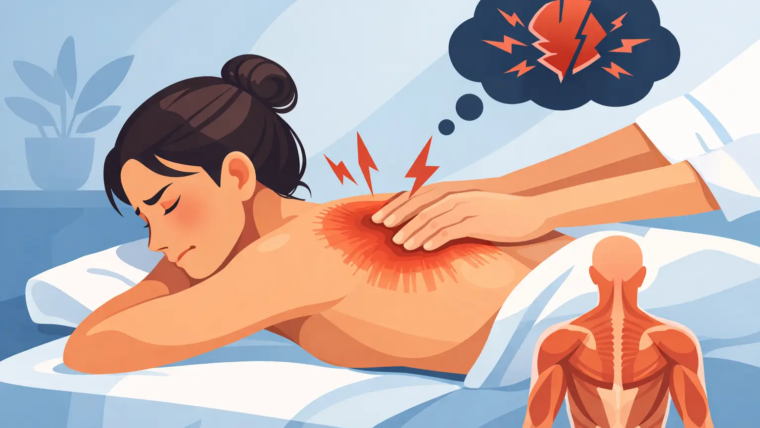
The ache may arrive halfway through a workday: a tight neck, burning between the shoulder blades, a low back that feels stiff when you stand. Postural pain recovery is not simply about sitting perfectly or forcing your shoulders back. It is about understanding why your body is holding tension, then creating practical conditions for it to move, rest and function more comfortably.
For many people, posture-related pain develops gradually. Long hours at a desk, driving, caring responsibilities, repetitive work, stress, poor sleep and reduced movement can all contribute. A personalised approach looks beyond the painful area alone and considers the whole pattern.
Why posture can become painful
Posture is not one fixed position to maintain all day. The body is designed to change position often. Pain can arise when the same muscles and joints are asked to work without enough variation, recovery or support.
For example, looking down at a laptop or mobile may increase load through the neck and upper back. Sitting for extended periods can leave the hip flexors, glutes and lower back feeling restricted. Stress can also show up physically, with jaw clenching, shallow breathing and lifted shoulders creating ongoing muscle tension.
That does not mean every ache is caused by posture. Shoulder pain may involve the joint, tendons or referred discomfort from the neck. Low back pain can have many contributors. This is why a careful consultation matters. A practitioner can consider your work demands, exercise habits, sleep, previous injuries, stress levels and daily routines before suggesting a plan.
Postural pain recovery starts with assessment
A helpful recovery plan begins by listening to your experience. When does the discomfort appear? Is it worse after sitting, standing, walking, training or sleeping? Does it travel into the arm or leg? Are headaches, fatigue or stress part of the picture?
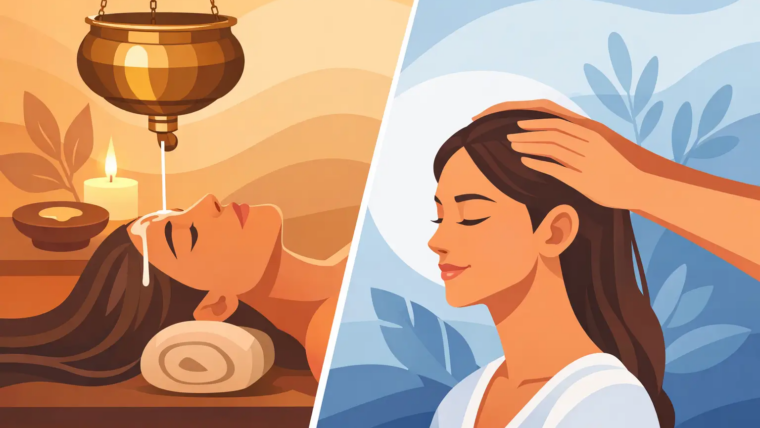
At Herbal Ayurveda and Yoga Clinic, care is approached as individual rather than formulaic. A qualified practitioner may assess areas of muscular tightness, movement patterns and the lifestyle factors that may be sustaining discomfort. From an Ayurvedic perspective, pain and stiffness can also be explored in relation to routines, rest, digestion, stress and overall balance.
The aim is not to label the body as “badly aligned”. It is to identify realistic changes that may reduce strain and help you feel more at ease in daily life.
When to seek medical assessment first
Natural therapies can play a supportive role, but some symptoms need prompt medical attention. Seek urgent medical advice for severe or sudden pain after an injury, chest pain, unexplained weakness, numbness that is worsening, loss of bladder or bowel control, fever, unexplained weight loss, or pain that is constant and severe at night.
If pain persists, significantly limits daily activities, or is accompanied by tingling or weakness, speak with your GP or relevant health professional. Complementary care works best when it is appropriate for your circumstances and coordinated with medical advice where needed.
Build movement back in gently
Recovery is often helped by more movement, not necessarily harder exercise. The right amount depends on your symptoms, fitness, work and health history. Pushing through sharp pain or aggressively stretching an irritated area can be unhelpful. Conversely, avoiding all movement for too long can increase stiffness and apprehension.
Gentle yoga-based movement can support body awareness, mobility and steady breathing. A tailored practice may include simple neck, shoulder, spinal, hip and hamstring movements, with options adapted to your capacity. The purpose is not to achieve difficult poses. It is to restore confidence in comfortable, controlled movement.
Short movement breaks are often more useful than one long session at the end of the day. Stand up during calls, take a brief walk, change your chair position, or move through a few calm stretches between tasks. These small changes reduce the time spent in any one posture.
Breathing deserves attention too. When breathing is shallow, the neck and upper chest muscles may work harder than necessary. Slow, relaxed breathing can help settle the nervous system and reduce the tendency to brace through the shoulders and jaw.
The role of massage in postural pain recovery
Massage may help when muscles feel guarded, overworked or restricted. It is not a standalone cure for every type of pain, but it can be a valuable part of a broader plan that includes movement, pacing and lifestyle adjustments.
Remedial massage and deep tissue massage may be considered for persistent muscular tightness, depending on your needs and tolerance. More pressure is not always better. If an area is highly sensitive or your stress levels are elevated, a gentler approach may be more appropriate. Relaxation massage can be useful where physical discomfort is closely linked with fatigue, poor sleep or ongoing tension.
Trigger point therapy may be used for localised areas of muscle tenderness that refer discomfort elsewhere, such as the upper trapezius contributing to neck tension or headaches. Myofascial release therapy aims to work with fascial and muscular restrictions using slower, considered techniques. Cupping therapy may be suitable for some people as part of a treatment plan, while lymphatic drainage has a different purpose and is selected according to the individual presentation.
A good treatment should leave you feeling supported, not depleted. Mild temporary tenderness can occur after hands-on therapy, particularly when tissues have been very tight. Tell your practitioner how your body responds so the next session can be adjusted accordingly.
Change the setup, not just your body
Ergonomics can reduce unnecessary strain, but there is no single perfect workstation. The best setup is one that suits your body and allows regular changes.
Position your screen so you are not repeatedly bending your neck down. Keep frequently used items within easy reach. Support your feet on the floor or a stable footrest, and choose a chair that allows a comfortable sitting position. If you use a laptop for long periods, an external keyboard and screen adjustment can make a meaningful difference.
Just as importantly, avoid treating a good setup as permission to remain still for hours. Set a gentle reminder to shift position, refill your water, walk to another room or look away from the screen. Your next posture is often the most helpful posture.
Support recovery through daily rhythm
Postural discomfort is often amplified when the nervous system is under strain. Poor sleep, rushed meals, dehydration and sustained stress can affect pain sensitivity, muscle tone and recovery. Addressing these foundations does not replace physical treatment, but it can make that treatment more effective.
Ayurvedic lifestyle guidance may consider your daily rhythm, food habits, rest and individual constitution. Recommendations should be practical and tailored, rather than restrictive. For one person, the useful change may be a more consistent sleep routine. For another, it may be warm, regular meals, a calming evening practice or time away from the desk before tension builds.
Meditation and gentle relaxation practices can also help interrupt the cycle of stress and muscle guarding. Even five quiet minutes of breathing or a body scan can create a useful pause between demanding tasks.
Expect progress, not perfection
Postural pain rarely resolves because of one massage, one stretch or a new chair. Lasting improvement is usually built through consistent, manageable changes. Some people notice early relief from treatment and movement; others need more time, especially when pain has been present for months or work demands cannot easily change.
Measure progress in practical ways. You may be able to work longer before discomfort begins, turn your head more freely while driving, sleep with less interruption, or feel less guarded after a busy day. These shifts matter, even if occasional flare-ups still occur.
Be patient with your body and stay curious about its signals. With individual assessment, appropriate hands-on care and sustainable daily habits, postural pain recovery can become less about chasing perfect posture and more about returning to comfortable, confident movement.