Burnout rarely begins with one bad week. It often builds quietly through sustained pressure, poor sleep, emotional strain and a growing sense that rest no longer restores you. The best holistic treatments for burnout do not promise a quick fix. They help you understand the patterns placing your mind and body under stress, then create practical, individual ways to recover.
Burnout can affect energy, concentration, mood, digestion, sleep and physical comfort. A whole-person approach recognises that these experiences are connected. It may include lifestyle guidance, gentle movement, calming therapies and appropriate medical support, rather than treating exhaustion as something to simply push through.
Understanding burnout before choosing treatment
Burnout is often associated with work, but its causes can extend beyond the workplace. Caring responsibilities, financial pressure, disrupted sleep, grief, chronic health concerns and an overloaded schedule can all contribute. Some people feel flat and detached; others become irritable, anxious or unable to switch off. Physical signs may include headaches, neck and shoulder tension, digestive changes and persistent fatigue.
Holistic care can be valuable because it makes room for the full picture. However, burnout symptoms can overlap with depression, anxiety, thyroid concerns, sleep disorders and other medical conditions. A GP should be part of your care, particularly if fatigue is severe, symptoms are prolonged, or you have thoughts of harming yourself. Holistic therapies work best as supportive care alongside appropriate medical assessment, not as a replacement for it.
The best holistic treatments for burnout
The most suitable treatment depends on your symptoms, health history, daily demands and capacity for change. When someone is deeply depleted, a demanding fitness routine or an extensive wellness plan can become another source of pressure. A calmer, more realistic approach is usually more sustainable.
Personalised Ayurvedic lifestyle support
Ayurveda views wellbeing through the relationship between daily habits, digestion, rest, movement, mental state and individual constitution. An Ayurvedic consultation for burnout support may explore your sleep routine, appetite, energy patterns, workload, emotional state and current health concerns.
Recommendations are tailored rather than standardised. They may involve establishing regular meal and sleep times, choosing nourishing foods, reducing overstimulation, building a gentle morning or evening routine, and considering practitioner-guided herbal support where appropriate. The aim is not perfection. It is to create steadier rhythms that give the nervous system more opportunity to settle.
Herbal products can interact with medicines or be unsuitable for some health conditions, pregnancy or breastfeeding. This is why qualified practitioner guidance and clear communication with your GP are essential.
Yoga, breathwork and meditation
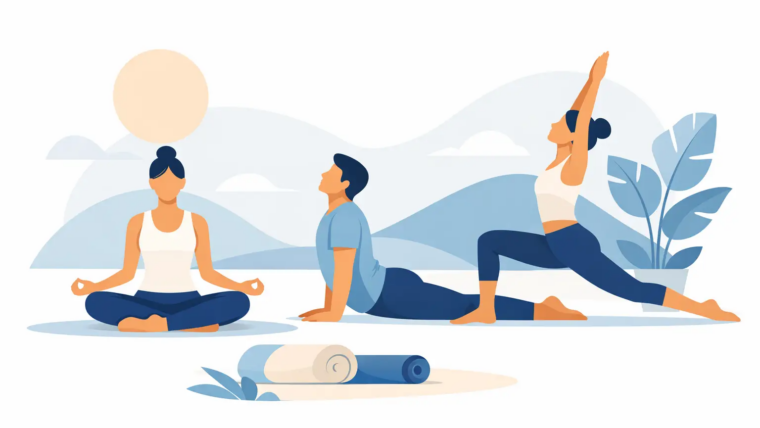
Burnout can leave the body in a state of constant alertness. Gentle yoga and mindful breathing can provide a structured way to slow down without asking too much of depleted energy reserves. Practices that emphasise supported postures, slower movement and longer rest may be more appropriate than vigorous classes during recovery.
Meditation is not about forcing the mind to be blank. It can be as simple as sitting quietly for a few minutes, noticing the breath, or using a guided practice that brings attention back to the present. For some people, meditation initially feels uncomfortable because stillness makes stress more noticeable. In that case, walking meditation, gentle movement or short breathing practices may be a better starting point.
A simple practice of slow, comfortable breathing for a few minutes before bed or between meetings can help signal a transition out of work mode. The benefit comes from consistency, not intensity.
Therapeutic massage for physical stress patterns
Stress often settles in the body before we recognise how much pressure we are carrying. Tight shoulders, jaw tension, headaches, a sore lower back and shallow breathing can make rest more difficult. Massage may support relaxation, body awareness and temporary relief of muscular discomfort.
The right style depends on how your body is feeling. Relaxation massage may suit someone who is tense, restless and craving gentle care. Remedial massage, deep tissue massage, trigger point therapy and myofascial release may be useful where persistent muscular restrictions or work-related postural strain are contributing to discomfort. Deep pressure is not automatically better: when you are exhausted or sensitive to touch, a gentler treatment can be the more therapeutic choice.
Lymphatic drainage is a light-touch therapy that some people find calming, while cupping may be considered for particular muscular concerns. A practitioner should adapt pressure and techniques to your comfort, health history and goals for the session.
Shirodhara and restorative body therapies
Shirodhara is a traditional Ayurvedic therapy involving a gentle, continuous flow of warmed oil across the forehead while the client rests. Many people seek it as a deeply settling experience when they feel mentally overactive or unable to relax. It is not a cure for burnout, but it may complement a broader plan focused on rest, routine and stress reduction.
For people who spend much of their day making decisions or responding to demands, receiving a quiet, unhurried treatment can also be meaningful in itself. It creates protected time away from screens, notifications and the expectation to perform.
Sleep and daily rhythm
Sleep is often the first thing burnout disrupts and one of the hardest things to repair. Trying to catch up with long weekend sleeps can help in the short term, but a regular rhythm is usually more supportive over time. Choose a realistic bedtime, reduce work and phone use in the hour before sleep where possible, and create a repeated wind-down cue such as a warm shower, gentle stretches or quiet reading.
Morning light, regular meals and some daytime movement also help anchor the body clock. If insomnia is persistent, loud snoring is present, or you wake unrefreshed despite enough time in bed, speak with your GP. Sleep problems deserve proper assessment.
Recovery also requires practical boundaries
No therapy can fully compensate for an environment that continues to demand too much. One of the most effective parts of burnout recovery is identifying what needs to change around you. That might mean discussing workload with a manager, taking leave, reducing unpaid commitments, asking for help at home or setting a clearer finish time for work.
These changes can be difficult, especially for people who are used to being dependable. Start with one boundary that protects your energy. For example, stop checking work messages after a chosen hour, take a proper lunch break twice a week, or keep one evening free from obligations. Small boundaries become more useful when they are specific and repeated.
Connection matters too. Burnout can make people withdraw because conversation feels like another task. Yet a trusted friend, family member, colleague, counsellor or health practitioner can reduce the sense of carrying everything alone. If symptoms are affecting your ability to function, psychological support may be an important part of recovery.
Creating a personalised plan in Adelaide
At Herbal Ayurveda and Yoga Clinic, care is shaped around the individual rather than a fixed package. A practitioner-led consultation can help identify whether Ayurvedic lifestyle guidance, yoga-based support, massage or traditional therapies such as Shirodhara are appropriate for your needs. Mandeep Singh holds a Bachelor of Ayurvedic Medicine and Surgery and is a professional AAA member, supporting an informed and considered approach to care.
A helpful plan should fit ordinary life. It may begin with one treatment, a modest sleep adjustment and a short daily practice, then change as your energy improves. Recovery is rarely linear, and needing to slow down is not a failure. It is often the first practical step towards feeling like yourself again.