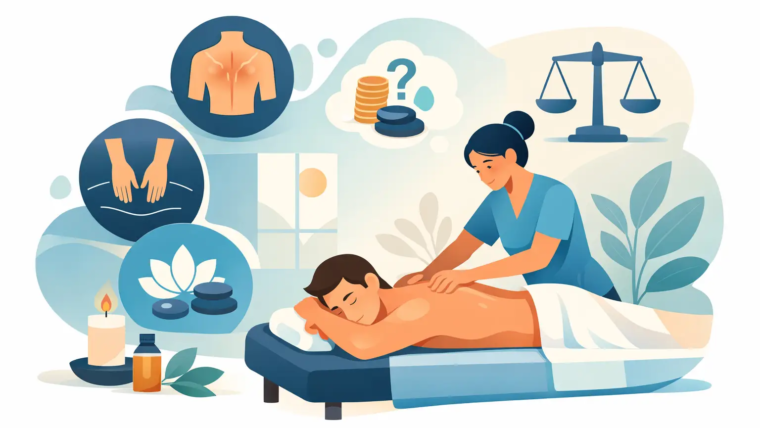
You usually feel the effects of cupping therapy before you fully understand them. There is a gentle pulling sensation, a sense of warmth through tight areas, and often a surprising feeling of release afterwards. So, what does cupping therapy do in practical terms? It is a traditional hands-on treatment used to reduce muscular tension, encourage local circulation, and support the body’s natural recovery processes.
Cupping has a long history across traditional systems of care, including practices that sit comfortably alongside massage and holistic wellness approaches. Today, many people seek it out for stubborn tightness in the back, shoulders and neck, especially when stress, desk work or repetitive movement leave the body feeling restricted. While it can be very effective for some concerns, it is not a cure-all, and the best results often come when it is used as part of a broader, personalised treatment plan.
What does cupping therapy do for the body?
At its simplest, cupping therapy uses suction on the skin and underlying tissues. That suction creates a lifting effect rather than the downward pressure you feel in massage. This difference matters. Where massage compresses and mobilises tissue, cupping gently draws tissue upwards, which may help improve local blood flow, reduce feelings of congestion in tight muscle areas, and create space in tissues that feel bound or restricted.
Many clients describe the result as a loosening effect. Areas that have felt dense, sore or overworked can begin to soften. When circulation improves in a local area, tissues may receive better nourishment and waste products may be cleared more efficiently. This is one reason cupping is often used to support recovery from muscular strain, postural tension, or physical overload.
The treatment may also calm the nervous system when applied thoughtfully. Muscle tension is not always just a mechanical problem. Stress, poor sleep and ongoing mental load can contribute to guarding patterns in the body. In that context, cupping can be useful not only because it works on tissue, but because it can help shift the body out of a braced state.
How cupping therapy works in a treatment setting
During treatment, cups are placed on selected areas of the body, often the back, shoulders, neck or legs. Depending on the style used, the cups may stay in one place for a short time, or they may be moved across the skin with oil. Static cupping is often chosen for focused areas of tension, while moving cupping can be helpful over broader muscle groups.
The suction draws the skin and superficial tissue into the cup. That action can stimulate local circulation and affect fascia, the connective tissue that surrounds muscles. If fascia has become tight or sticky, movement can feel limited or uncomfortable. By lifting and mobilising tissue in a different way from massage, cupping may help improve glide between layers.
This is also why some people benefit from combining cupping with remedial massage, deep tissue massage or myofascial release. Each approach works differently. One person may respond best to stronger manual pressure, while another gets more relief from the decompression effect of suction. A practitioner-led approach matters because the body does not respond well to one-size-fits-all treatment.
Common reasons people try cupping therapy
Most people do not book cupping because they are curious about the marks. They book because something feels tight, sore, overworked or slow to settle. Cupping is commonly used for back tension, shoulder restriction, neck stiffness and muscle fatigue. It can also be helpful for people who carry physical stress through the upper body or who feel heavy and tight after exercise.
For office workers, one common pattern is rounded shoulders, a tense upper back and headaches linked to neck and shoulder tension. For active people, it may be calves, hamstrings or lower back tightness after training. In both cases, the goal is usually similar – to reduce tension, support circulation and help the body move more freely.
It can also suit people who find deep pressure uncomfortable. Because cupping works through suction rather than only compression, it offers another way to treat tight tissues without relying entirely on force. That said, it should still be applied with care. More intensity is not always better, especially when the nervous system is already overstimulated.
What cupping therapy may help with
The effects of cupping vary from person to person, but there are several reasons it is commonly included in therapeutic bodywork. It may help with muscular tightness, postural strain, reduced range of movement, exercise recovery and a general sense of heaviness in overworked tissue.
Some people notice relief quite quickly, particularly when the issue is recent muscle tension. Others need a few sessions, especially when tightness has built up over months or is tied to work habits, stress or ongoing movement patterns. This is where realistic expectations matter. A single treatment can be useful, but lasting change usually depends on the cause of the tension, how long it has been present, and whether supporting changes are made outside the treatment room.
From a holistic point of view, body therapies are often most effective when they are not isolated from the rest of life. Hydration, sleep, movement, stress levels and daily posture all influence how the body holds tension and how well it recovers.
The marks after cupping – what they mean
One of the most common questions about cupping is whether the round marks mean bruising. The marks can look dramatic, but they are not always bruises in the usual sense. They are generally a response to the suction drawing blood to the surface and affecting local circulation. The colour and duration can vary depending on the area treated, the intensity used, and individual skin sensitivity.
Some people mark easily and some barely mark at all. Darker marks do not necessarily mean a treatment worked better, and lighter marks do not mean it failed. The appearance is only one small part of the picture. In a professional setting, the aim is not to create the darkest possible mark. The aim is to apply the treatment appropriately for the person’s needs and tolerance.
These marks usually fade over several days to a week or so, though timing varies. If you have an event, photo shoot or beach plans coming up, it is worth mentioning this before treatment so timing and cup placement can be considered.
When cupping may not be suitable
Cupping is not right for every person or every situation. If someone has very fragile skin, certain circulatory issues, active skin irritation, fever, or is recovering from particular medical conditions, treatment may need to be modified or avoided. Pregnancy, medications that affect clotting, and a history of skin sensitivity can also change what is appropriate.
This is why a proper assessment matters. A qualified practitioner should ask about your health history, current symptoms and treatment goals before deciding whether cupping is suitable. Good care is not about offering the same treatment to everyone. It is about choosing the right method, the right intensity and the right timing.
What to expect after a session
After cupping, many people feel lighter through the treated area, with less pulling or stiffness. Others feel pleasantly tired and more relaxed. Mild tenderness can occur, particularly if the area was already quite tight. Drinking water, taking it easy for the rest of the day and paying attention to how your body responds can all be helpful.
If the treatment has addressed a long-held pattern, you may notice not only less pain, but easier movement. Turning the head, lifting the arm or standing more upright can feel more natural. That said, if the original cause is still there, such as long hours at a desk or repeated physical strain, the body may gradually return to the same pattern. Treatment works best when paired with practical support such as stretching, strengthening, yoga, posture advice or changes to daily routine.
What does cupping therapy do as part of holistic care?
Used on its own, cupping can be a valuable therapy for muscular tension and recovery. Used as part of a broader plan, it often becomes more meaningful. In a holistic setting, the question is not only where it hurts, but why the body is holding tension in that way.
For one person, cupping may be most helpful after physical overuse. For another, the bigger issue may be chronic stress, poor sleep and a nervous system that rarely switches off. In those cases, bodywork is still useful, but the deeper benefit comes from combining treatment with personalised care that considers lifestyle, rest, movement and overall balance.
At Herbal Ayurveda and Yoga Clinic in Adelaide, cupping therapy sits naturally alongside remedial massage and other therapeutic treatments because many clients need more than a generic relaxation session. They need thoughtful care that responds to their body as it is on the day.
If you have been wondering what cupping therapy does, the most honest answer is that it helps the body let go of tension in a distinctive way. For the right person, at the right time, that can be the beginning of feeling more comfortable in your own body again.