A tight upper back after long hours at a desk can feel very different from the heavy, stagnant ache that lingers after training or poor sleep. That is why cupping therapy vs massage is not really a question of which treatment is better overall. It is more a question of what your body is asking for, how your symptoms present, and what kind of support will suit you best.
Both therapies are hands-on treatments used to relieve discomfort, improve movement, and support relaxation. Yet they work in different ways and can create very different experiences during and after a session. For some people, massage is the clearer fit. For others, cupping offers a type of release that feels more effective, especially where tension is deep, stubborn, or difficult to shift manually.
Understanding cupping therapy vs massage
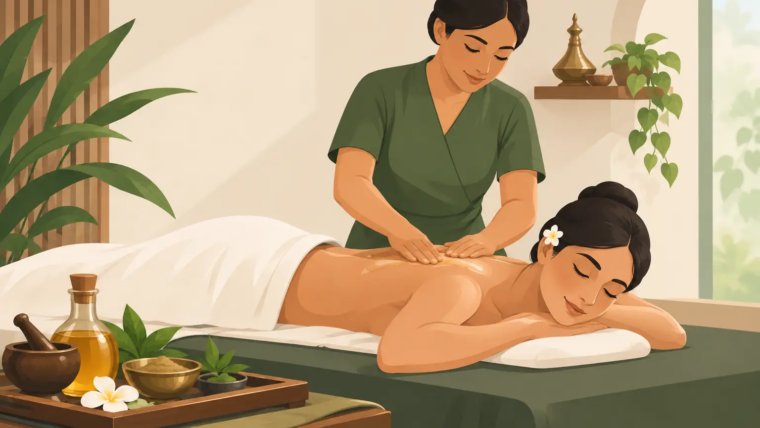
Massage works through direct pressure, movement, and manipulation of soft tissue. Depending on the style, that might involve long flowing strokes, focused work into trigger points, deeper pressure through the muscles, or a gentler approach aimed at calming the nervous system. It is familiar to most people and often chosen for muscular tightness, stress, or general body maintenance.
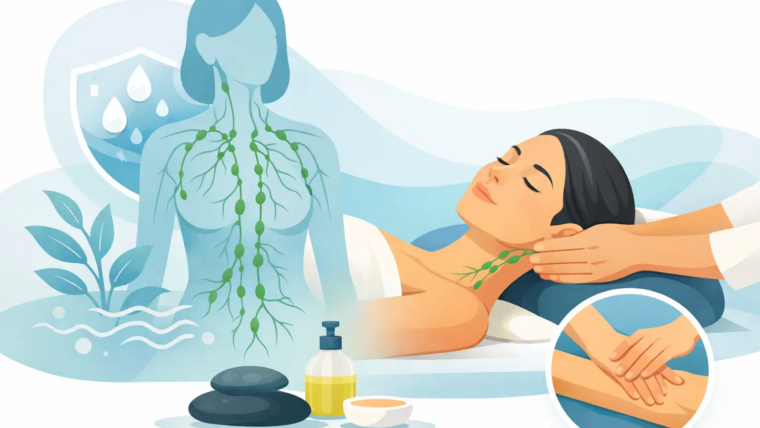
Cupping therapy works differently. Instead of pressing down into the tissue, cups create suction on the skin and underlying fascia. This lifting effect can help encourage circulation, reduce a feeling of restriction, and support release in areas that feel bound up or congested. Many people describe cupping as a pulling or stretching sensation rather than pressure.
This difference matters. When a client says, “I do not want deep pressure today,” massage may not be the most suitable option unless a lighter style is chosen. Cupping can sometimes offer meaningful release without the same degree of manual pressure. On the other hand, if someone responds well to direct touch and wants broad muscular work across the whole body, massage often feels more grounding and complete.
How each treatment feels on the body
The sensation during massage depends on technique and pressure. Relaxation massage is generally soothing and rhythmic. Remedial and deep tissue work can feel more intense, particularly when addressing localised restriction or chronic muscular holding. A skilled practitioner adjusts pressure according to the person, the area being treated, and the body’s response on the day.
Cupping usually feels unusual at first, especially if you have never had it before. The suction can create a firm pull on the skin, and once the cups are in place, some people feel immediate release while others feel a stronger sensation around tight areas. Moving cups may create a gliding stretch across the tissue, while static cups hold in one place for a short period.
Neither treatment should feel excessive or uncontrolled. Some sensitivity can be normal, especially where tissue is very tight, but the session should remain within a manageable and therapeutic range. The best outcomes usually come when treatment is tailored rather than pushed.
When massage may be the better choice
Massage is often the better starting point when your main goal is broad muscular relief, nervous system calming, or regular maintenance. It suits people who carry stress physically, especially through the neck, shoulders, low back, and jaw. It can also be ideal when you want treatment that addresses several areas in one session with a more integrated feel.
For office workers, carers, tradies, and anyone juggling stress with physical fatigue, massage can help the body shift out of a constant bracing pattern. It supports circulation, soft tissue mobility, and relaxation, while also giving the practitioner a chance to assess where tension is accumulating.
It may also be the more suitable option if you are new to body therapies and prefer a familiar treatment style. For many clients, massage feels more intuitive and less confronting than cupping. If your aim is to unwind while still addressing tension, massage often provides that balance.
When cupping therapy may be more useful
Cupping can be especially helpful when muscles feel dense, heavy, or resistant to hands-on pressure alone. Some people notice this around the shoulders, upper back, calves, or along the spine, where tissue can feel stubborn and restricted. It is also commonly used where there is a sense of stagnation rather than simple tightness.
In clinical practice, cupping may be considered when someone has recurrent patterns that return quickly after massage, or when direct pressure into an area is not well tolerated. Because suction lifts rather than compresses, it can offer a different pathway to release. Athletes and active adults sometimes prefer it for post-exercise tightness, while others find it useful for desk-related upper back restriction.
That said, cupping is not automatically the stronger or more advanced option. It is simply a different tool. Some bodies respond beautifully to it, while others do better with manual therapy, or with a combination of both.
Cupping therapy vs massage for pain, stress, and recovery
If you are deciding between cupping therapy vs massage for pain relief, the answer depends on the type of pain. General muscular soreness, tension headaches linked to neck tightness, and stress-related body pain often respond well to massage. Massage can also help if your pain is connected to posture, overuse, or a need for overall soft tissue support.
Cupping may be worth considering if pain feels fixed in one area, if there is a dragging or heavy quality to it, or if previous massage has only helped temporarily. Some people also report feeling more open in their movement after cupping, especially through the shoulders and thoracic region.
For stress, massage tends to have the edge because of its calming rhythm and whole-body effect. Cupping can still be relaxing, but it is usually chosen more for tissue release than for a purely restorative experience.
For recovery, both can help. Massage may support muscular ease and relaxation after physical exertion, while cupping may assist where fascia and soft tissue feel tight, loaded, or restricted. The right choice often depends on how your body typically responds after exercise or repetitive work.
What about marks, soreness, and downtime?
This is one of the clearest practical differences. Massage may leave you feeling tender in worked areas, particularly after deeper treatment, but it does not usually leave visible marks. Cupping often does. These marks can range from light pink to darker circular discolouration and may last several days.
They are not usually painful bruises in the way people often assume, but they are visible. That matters if you have social events, workplace considerations, or simply do not like the idea of temporary marks on your skin. It is wise to factor that in before booking cupping, especially in warmer weather when clothing is lighter.
Some post-treatment soreness is possible with either therapy. Drinking water, resting if needed, and avoiding excessive exertion straight after treatment can help your body settle.
Why individual assessment matters
The most useful treatment plan is not built around trends. It is built around the person. Your pain history, stress levels, training load, sleep, skin sensitivity, and health background all influence what is appropriate.
This is particularly relevant in a holistic clinic setting, where treatment is not viewed in isolation. Tight shoulders may be linked to work posture, but they can also be aggravated by stress, poor sleep, digestive disturbance, or a generally overloaded routine. A practitioner-led approach looks at the pattern, not just the sore spot.
In some cases, the best answer is not cupping or massage alone. It may be a combined session, or a staged plan where one treatment is used initially and another later. At Herbal Ayurveda and Yoga Clinic in Adelaide, this kind of individualised care matters because bodies do not all respond in the same way, even when symptoms sound similar.
Which one should you choose?
If you want a calmer, more familiar treatment that can address stress and muscular tension across the body, massage is often the better fit. If you are dealing with persistent tightness, restriction, or tissue that does not respond well to direct pressure, cupping may be worth exploring.
If you are still unsure, that uncertainty is normal. Many people benefit most from guidance rather than guesswork. A qualified practitioner can assess the nature of your discomfort, explain what each treatment is likely to feel like, and recommend a suitable starting point based on your body rather than a generic rule.
The right therapy is the one that meets you where you are now, while supporting better balance over time. When treatment is chosen thoughtfully, it does more than ease tension for a day – it helps you feel more at home in your own body.